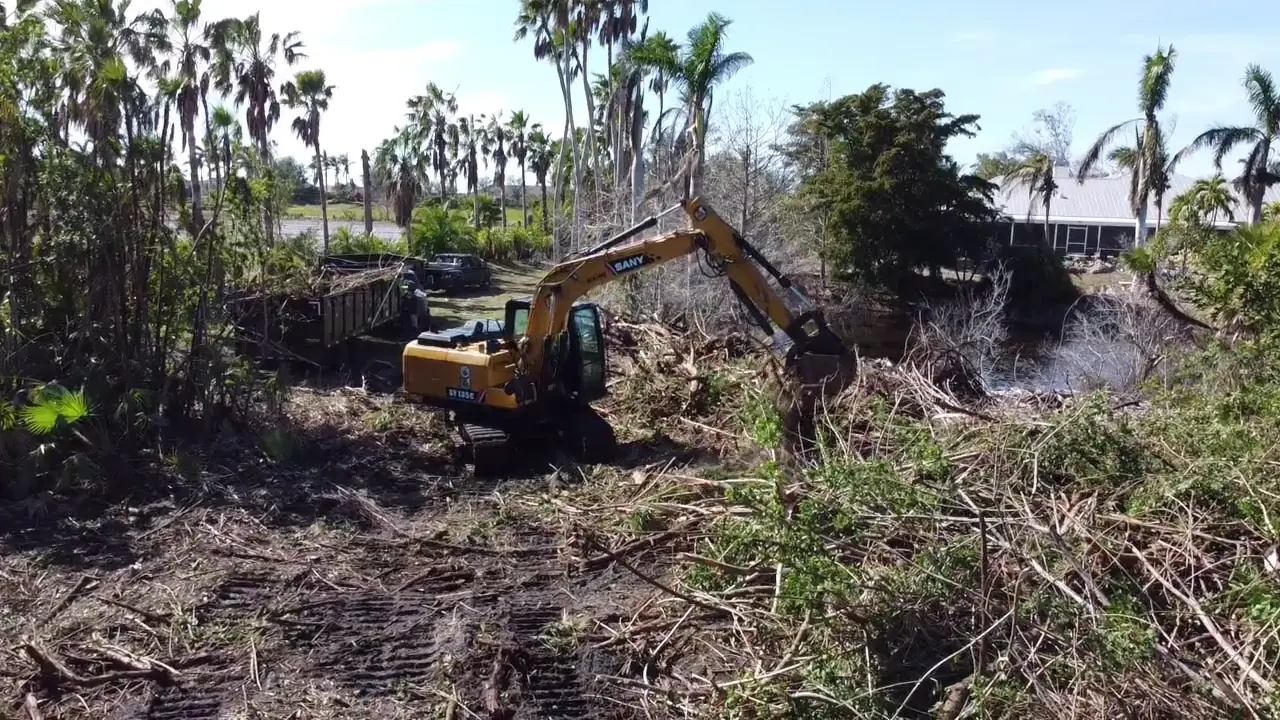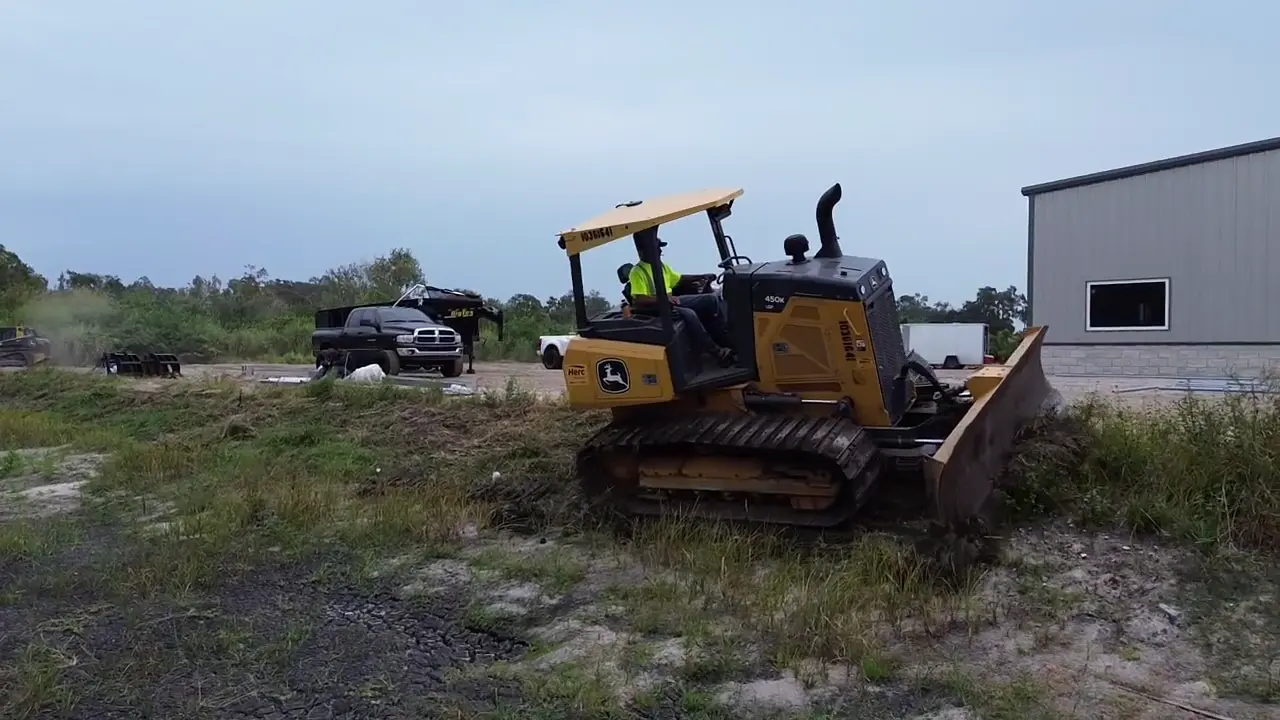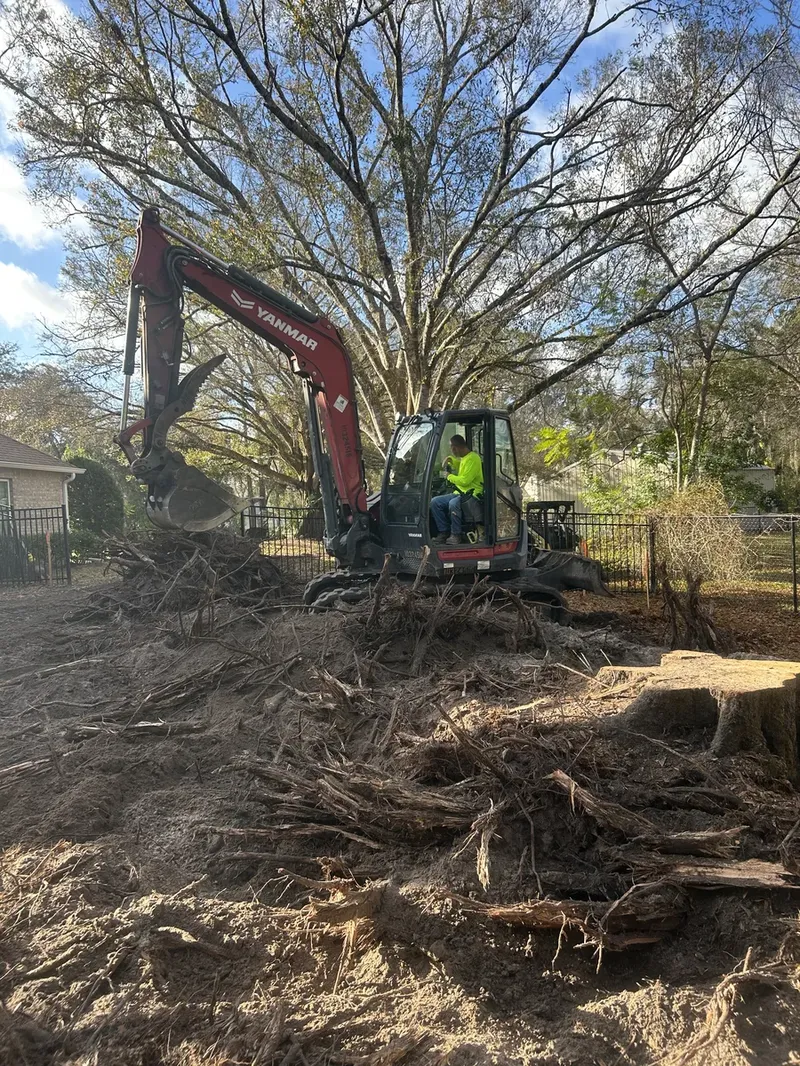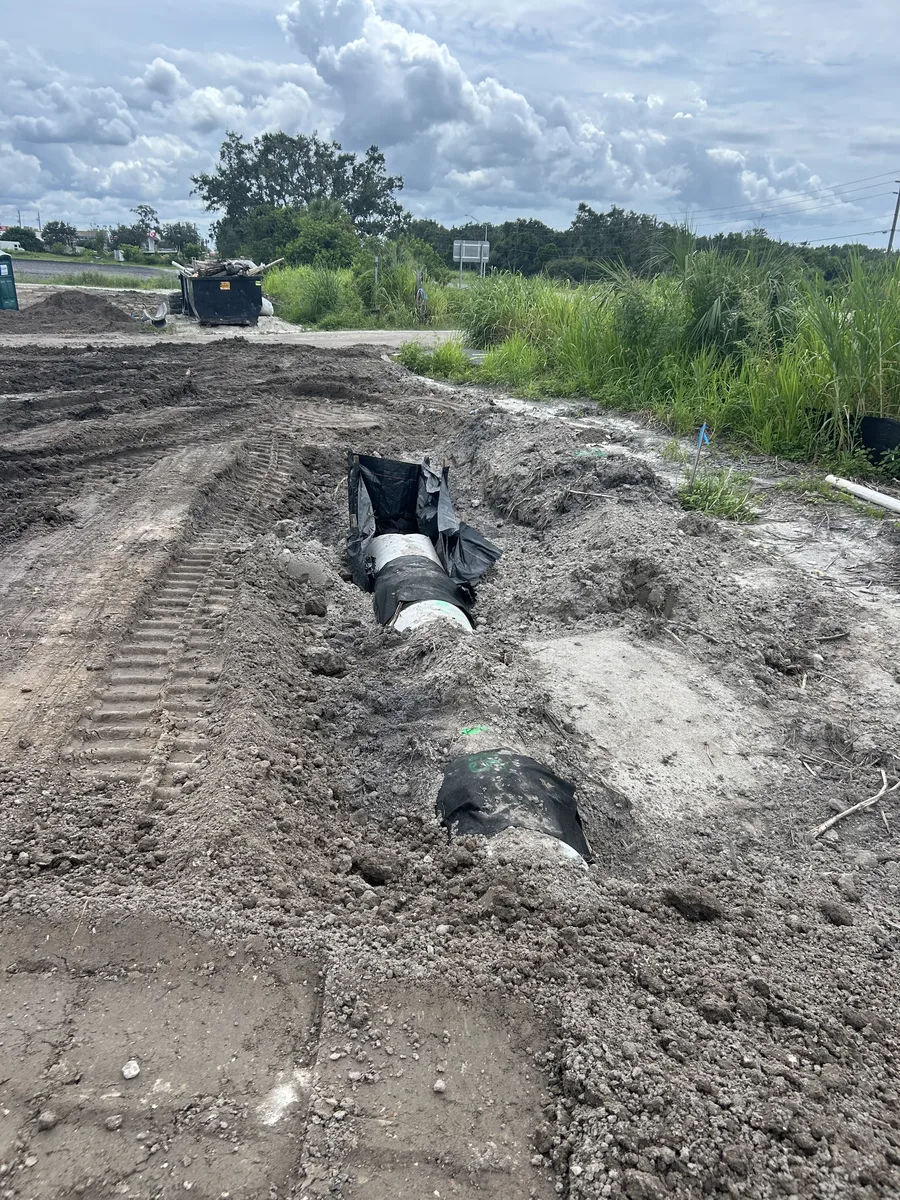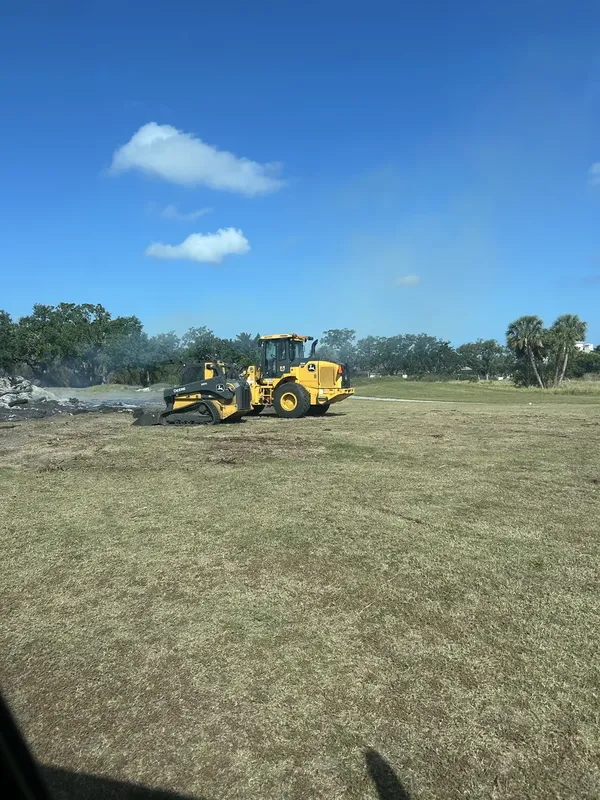
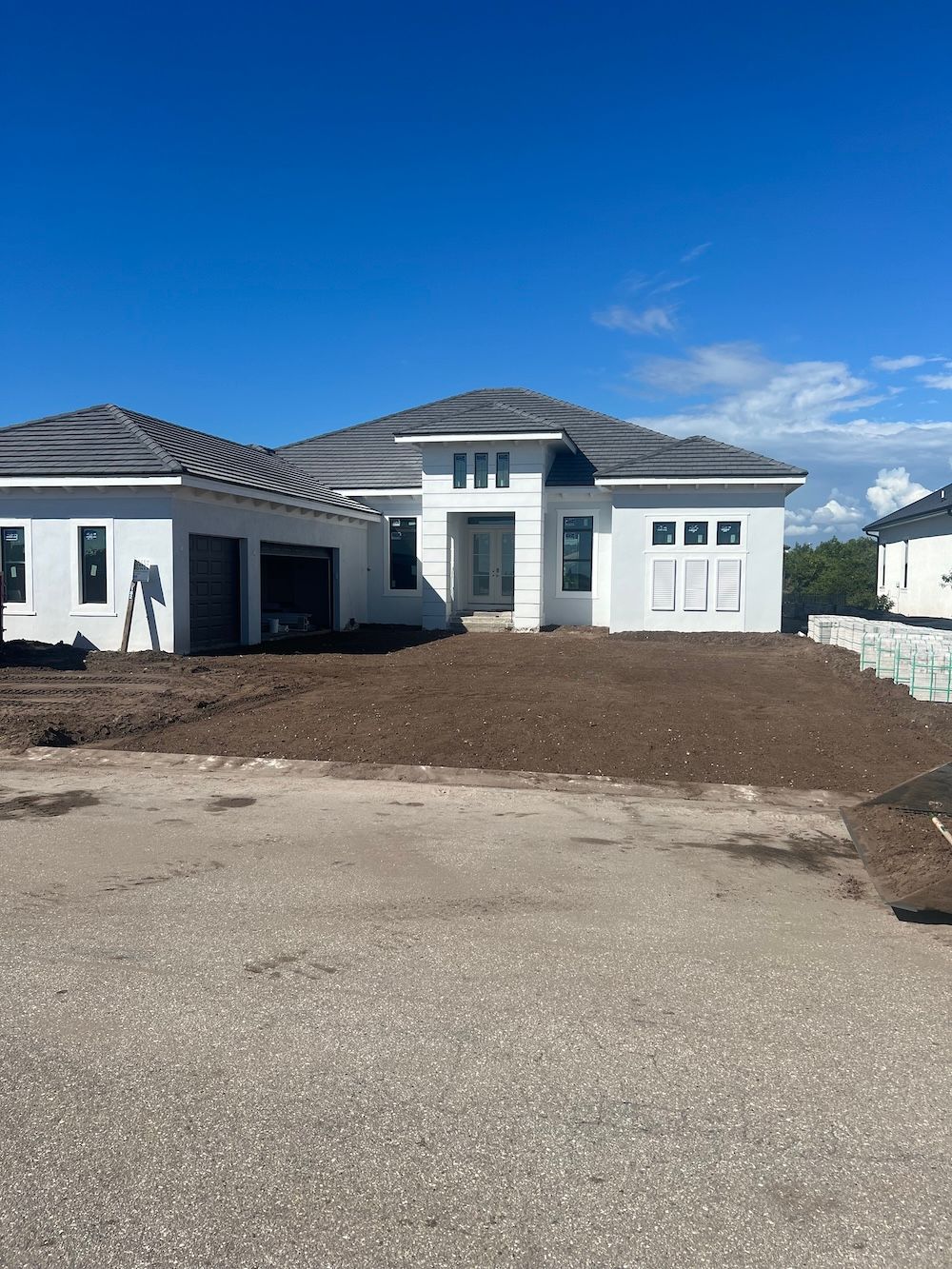
Site grading — the process of shaping land to achieve correct elevations, drainage slopes, and a stable foundation pad — is one of the most variable line items in any Florida construction budget. A simple residential re-grade of a cleared lot can run a few thousand dollars. A project requiring significant fill import, precision laser grading, and drainage integration can climb into five figures. The difference is predictable once you understand the factors that drive it.
This guide breaks down what drives site grading costs in Southwest Florida specifically — where flat terrain, high water tables, and more than 50 inches of annual rainfall make grading decisions more consequential than in most of the country.
What Site Grading Actually Includes
Grading isn't just pushing dirt around. A full grading scope establishes the correct finished elevation — often tied to FEMA flood zone requirements and county minimum finished floor elevations — creates positive drainage slopes away from structures, compacts disturbed soil to meet engineering load-bearing requirements, and brings foundation pads to tolerances tight enough to pass inspection. Depending on the project, the scope can also include fill dirt delivery and spreading, rough and fine grade passes, swale construction, subgrade compaction testing, and engineer coordination. (For the full sequence of construction site prep from clearing to fine grade, see our lot preparation guide.)
Lot Size and Site Conditions
The larger the lot and the more uneven the starting terrain, the more machine time is required. A quarter-acre lot that's already relatively flat costs significantly less to grade than a half-acre lot that runs 18 inches lower on one end. In rapidly growing areas like Parrish and North Port — where raw lots often have natural grade variation from prior agricultural or rural use — expect more cut-and-fill work than on lots in finished subdivisions that were rough-graded at the infrastructure stage. Access constraints also matter: tight urban infill lots require more careful equipment selection and slower, more deliberate work than open sites.
Drainage Requirements in Southwest Florida
This is the cost variable that surprises most owners in the Sarasota-Bradenton market. Southwest Florida's flat terrain combined with SWFWMD (Southwest Florida Water Management District) stormwater requirements means grading alone often isn't sufficient — you need integrated drainage design with positive outlets, swales, and in some cases permitted retention or infiltration areas. If your property has known drainage problems, sits adjacent to a drainage easement, or is in a flood zone, that scope needs to be scoped alongside grading rather than treated as a separate project later — both for cost efficiency and to avoid re-work.
Fill Dirt and Cut/Fill Balance
If your lot sits below the minimum finished floor elevation required by your local building department or FEMA flood map, fill dirt must be imported to bring it up. In Southwest Florida, fill dirt typically runs $15–$50 per cubic yard delivered, depending on material type (common fill, clean structural fill, or road base material) and haul distance from the source. Labor to spread and compact that material is priced separately from the material cost itself.
To illustrate: a property that needs 12 inches of fill across a quarter-acre lot requires approximately 350–400 cubic yards of material — a material cost alone of $5,000–$20,000 before machine time is factored in. Properties where existing soil can be redistributed to achieve the correct grade (a balanced cut/fill) cost substantially less than sites requiring significant import. Your contractor should be able to give you a fill estimate after walking the site and reviewing your survey or elevation certificate.
Typical Price Ranges for Southwest Florida
These ranges reflect typical grading projects in Manatee and Sarasota counties. They cover equipment and labor only — fill dirt, permits, compaction testing, and drainage installation are typically priced separately. Your project may fall above or below depending on the factors covered above.
- •Residential yard re-grade or drainage correction (cleared, no significant fill needed): $2,000–$6,000
- •New residential construction rough grade (cleared lot, modest fill requirements): $3,500–$10,000+
- •Lot grade with significant fill import (1 ft+ of fill across a quarter acre): $10,000–$30,000+ depending on fill volume and material
- •Precision laser-grade for custom home foundation pad (fine grade pass after rough and utilities): $4,000–$12,000+
- •Commercial pad grading per acre (rough and fine grade, base prep): $5,000–$20,000+ per acre depending on scope and drainage requirements
These ranges are informed by regional industry data and project experience in the SW Florida market. They are not binding estimates. Get a site-specific number by requesting a free on-site evaluation.
Rough Grading vs. Fine Grading: Know What You're Buying
Full site prep typically involves two grading passes. Rough grading comes first — it establishes overall elevations and drainage patterns after land clearing, before underground utilities go in. Fine grading follows after utilities are installed, bringing the pad to exact tolerances for your foundation and final inspection. Both passes involve machine time and operator labor, and both matter. A rough grade done to sloppy tolerances creates re-work at the fine grade phase. (For more on why precision at both stages matters in Florida's conditions, see why site grading is the most critical step in Florida construction.)
When comparing bids, confirm whether you're looking at rough grade only, fine grade only, or both phases. Some contractors quote one pass; others include the full scope. An apparent price difference between bids sometimes traces back to this — make sure you're comparing equivalent scopes.
What's Included in a Quote — and What Usually Isn't
A standard site grading quote covers machine time, operator labor, and redistribution of existing site material. It typically does not include:
- •Fill dirt (almost always priced separately per cubic yard, either as a materials line or as a separate invoice)
- •Compaction testing (required by your structural engineer or building department; performed by a licensed third-party testing firm, typically $200–$500 per test)
- •Permitting fees (vary by county, project type, and whether environmental review is triggered — confirm with your county building department)
- •Drainage system installation — swales, French drains, retention areas — even though drainage follows directly from grading decisions
- •Land clearing and debris removal (unless explicitly bundled in the quote)
The apparent cost difference between two competing bids often traces back to scope differences, not price differences. Read the scope of work carefully — not just the total number.
Getting an Accurate Estimate
No pricing guide replaces a site visit. Grading costs are driven by what your specific property actually requires, and that means seeing it. One practical note on budgeting: if your project includes clearing, grading, and drainage work, having one contractor handle all three phases saves on equipment mobilization — which is a fixed cost per trip. Combining scopes is almost always more cost-effective than sequencing them with separate contractors. (For clearing cost context, see our land clearing cost guide.)
When you contact a contractor for a grading estimate, come prepared with:
- •A current survey or site plan, if you have one
- •Your flood zone designation and any minimum finished floor elevation requirements from your building department
- •The full project context — what comes before and after grading (clearing, utilities, foundation, slab)
- •Whether you need coordination with a builder, structural engineer, or general contractor
The more complete the picture you provide upfront, the more accurate the estimate you receive — and the less likely there are scope surprises mid-project.
Lethermon Grade Excavations provides free, on-site grading estimates for residential and commercial projects throughout Southwest Florida — serving Bradenton, Sarasota, Venice, Lakewood Ranch, Parrish, Palmetto, and surrounding communities. If you're budgeting a new construction project or trying to understand what it'll take to get a problem lot build-ready, contact us to walk the site.
Frequently Asked Questions
How much does site grading cost in Florida?
It varies widely by scope. A residential yard re-grade or drainage correction on a cleared lot runs about $2,000–$6,000; a new-construction rough grade $3,500–$10,000+; and a lot needing significant fill import $10,000–$30,000+. These ranges cover equipment and labor only — fill dirt, permits, testing, and drainage are usually priced separately.
How much does fill dirt cost?
In Southwest Florida, fill dirt typically runs $15–$50 per cubic yard delivered, depending on material type and haul distance. As an example, adding 12 inches of fill across a quarter-acre lot needs roughly 350–400 cubic yards — $5,000–$20,000 in material alone, before machine time to spread and compact it.
What's the difference between rough grading and fine grading?
Rough grading comes first, establishing overall elevations and drainage patterns after clearing and before utilities go in. Fine grading follows after utilities are installed, bringing the pad to exact tolerances for your foundation and final inspection. When comparing bids, confirm whether you're quoted one pass or both.
Why does grading cost more in Southwest Florida?
Flat terrain, high water tables, and 50+ inches of annual rain mean grading often can't be separated from drainage. SWFWMD stormwater requirements frequently call for integrated swales, positive outlets, or retention areas — so drainage needs to be scoped alongside grading rather than handled as a separate project later.
Written by
Kameron LethermonOwner of Lethermon Grade Excavations. Military background with 15+ years of excavation and construction experience in Southwest Florida. View full profile →