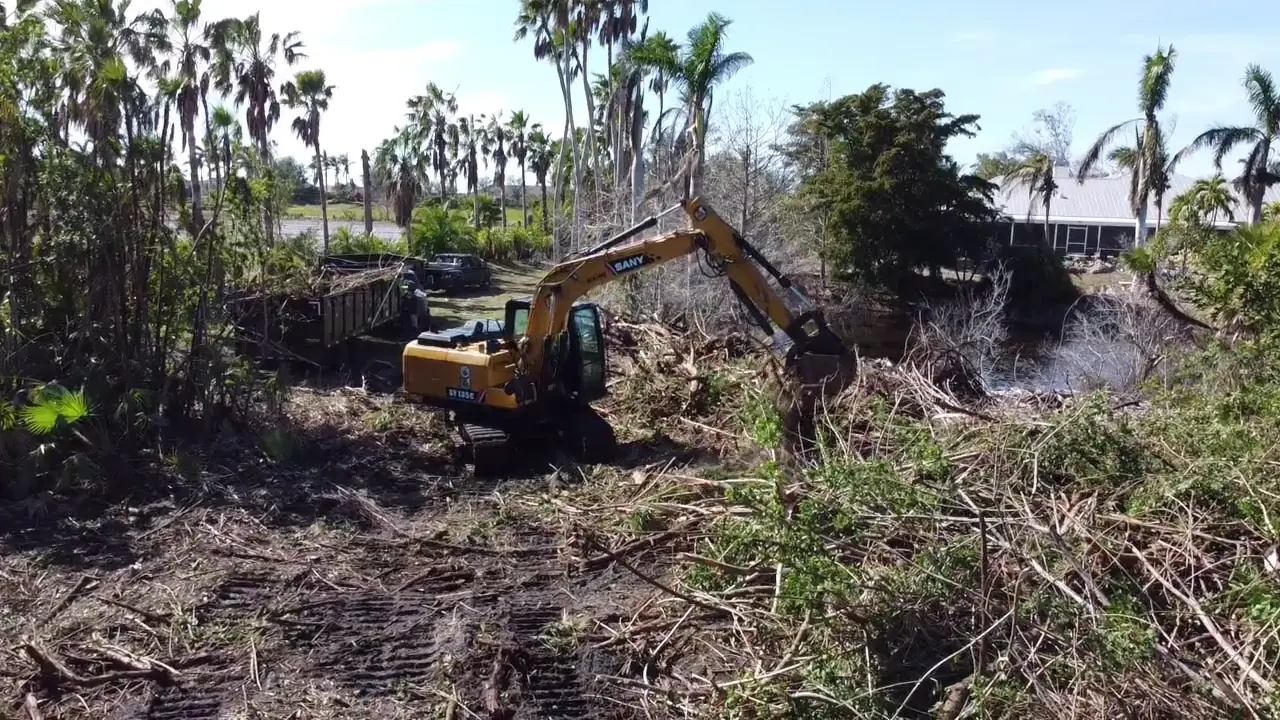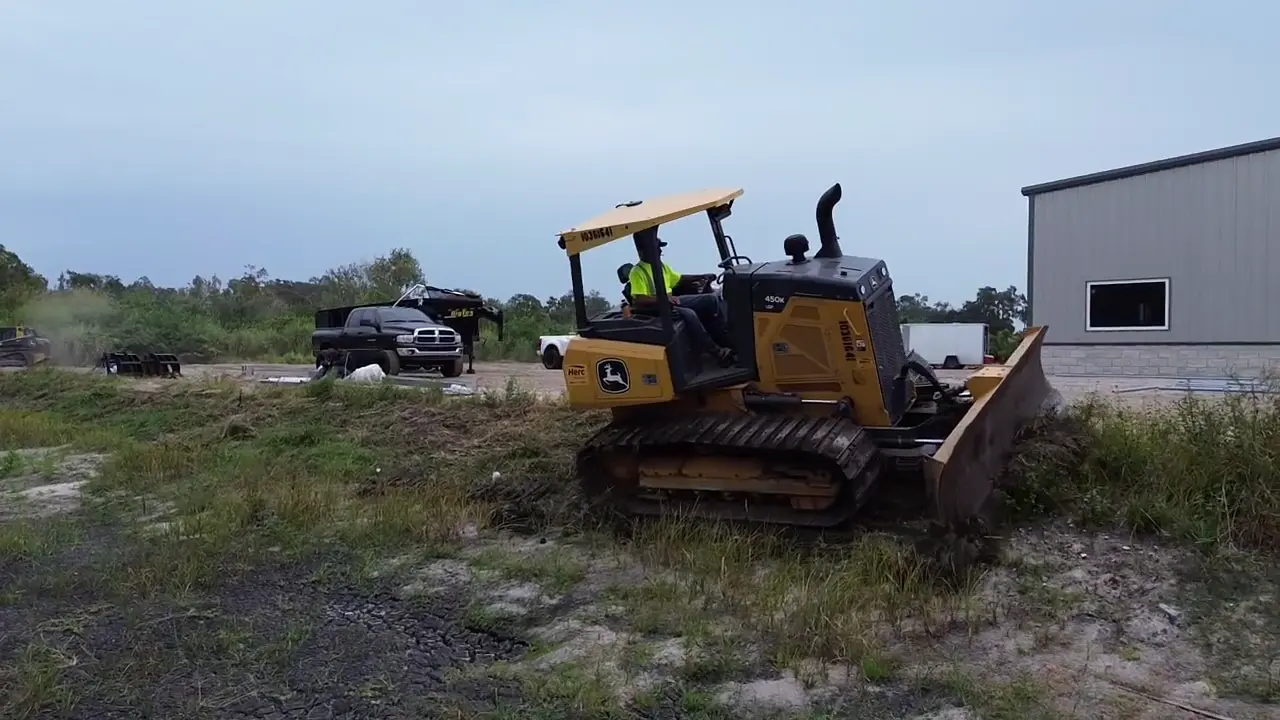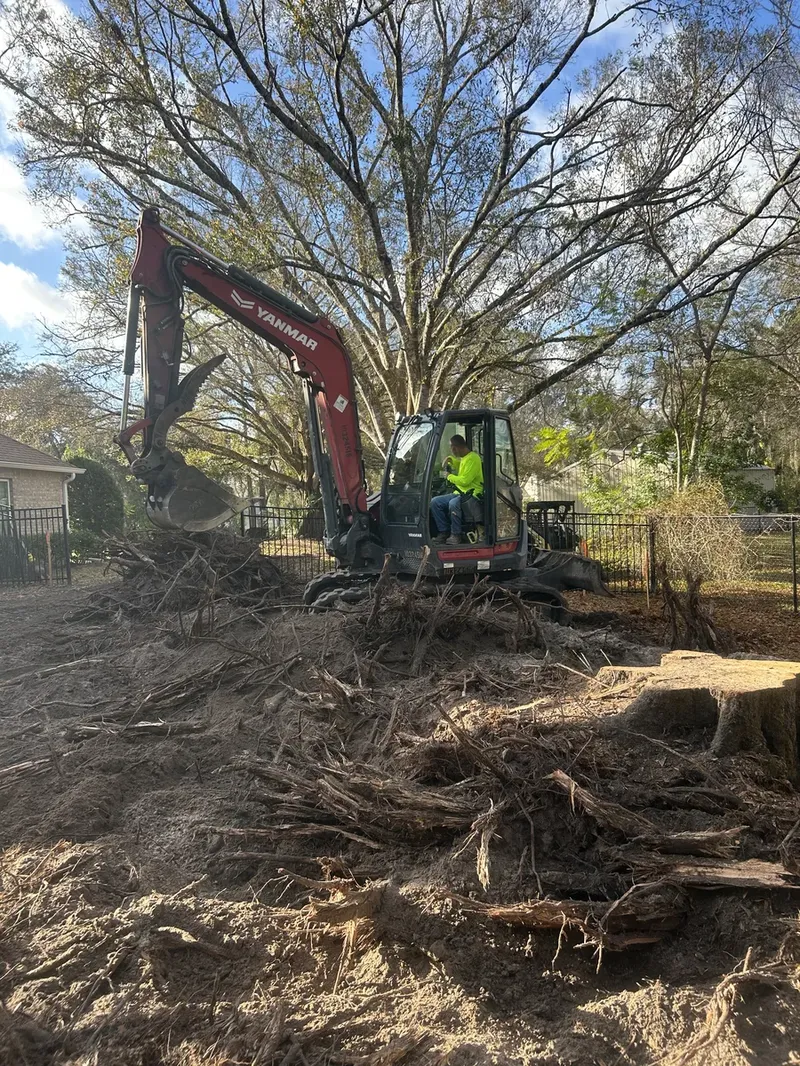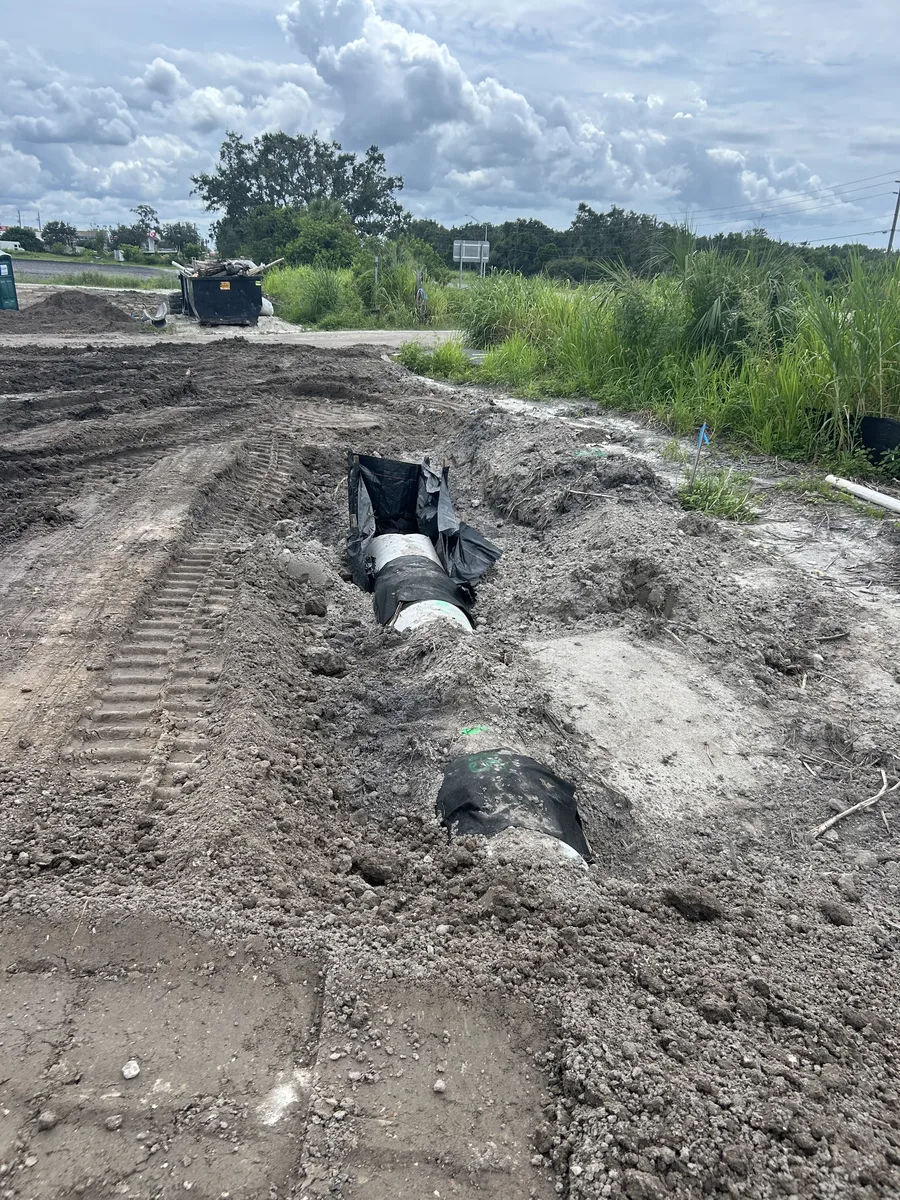
Florida's rainy season runs June through September, delivering more than 50 inches of rain annually to Southwest Florida — most of it in short, intense bursts. The ground here is flat, sandy, and often sits close to a seasonal high water table. That combination doesn't leave much margin for poor stormwater planning on a construction project.
If you're building in Bradenton, Parrish, Palmetto, or anywhere in Manatee or Sarasota County, stormwater management isn't a detail to sort out late in the process. It's a foundational decision that shapes your site layout, your permit timeline, and how the property performs for years after construction wraps.
What Stormwater Management Actually Means on a Job Site
Stormwater management covers how a construction site handles rainwater runoff — where it goes, how fast it moves, and whether it creates problems for your property, your neighbors, or the regional drainage system.
On an undeveloped parcel, rain soaks into the ground or runs slowly across the surface toward natural low points. Once you clear land, grade a pad, and add impervious surfaces like driveways, building slabs, and parking areas, you change that equation entirely. Runoff moves faster and in larger volumes. Without a plan, it pools where you don't want it, erodes your graded surfaces, and can back up into adjacent properties or public drainage systems — creating liability and permit problems.
Good stormwater drainage design puts the right systems in place to collect, slow, and direct that water to appropriate discharge points before it causes damage.
The Main Systems Used in Southwest Florida
Construction projects in Manatee and Sarasota Counties typically rely on one or more of these approaches:
Swales are open, vegetated channels graded along property lines, roadways, or between structures. They slow runoff and allow it to percolate into the soil. Swales are cost-effective and standard in Florida residential subdivisions, but they require proper slope and ongoing maintenance. A swale that's silted up, graded backward, or planted with the wrong vegetation won't drain when a storm hits.
Retention ponds hold stormwater on-site and release it slowly through controlled outfalls or ground percolation. Most larger commercial developments and planned residential communities in the region include retention ponds. They're frequently required when a project adds significant impervious cover, and they do double duty as site amenities and wildlife habitat.
Detention systems function similarly but release water more quickly. Underground detention chambers are increasingly common on constrained sites where surface ponds aren't feasible. They save land area but add installation cost.
French drains and perforated pipe systems collect water below the surface and route it to a discharge point. These are common on residential lots with high water tables — which describes much of coastal Manatee and Sarasota County. If your property has a chronic wetness problem, a French drain is often part of the drainage solution.
Catch basins and inlets intercept surface runoff at low points and tie it into underground pipe networks. On commercial and multi-family site development projects, these are integrated into the grading plan from the start, not added after the fact.
Regulatory Basics: SWFWMD and County Requirements
Southwest Florida falls under the jurisdiction of the Southwest Florida Water Management District (SWFWMD), the regional agency that oversees water resources across 16 counties including Manatee and Sarasota. SWFWMD issues Environmental Resource Permits (ERPs) for projects that disturb land, alter drainage patterns, or add impervious surface above certain thresholds.
In addition to SWFWMD, your county's building and engineering departments have their own stormwater and grading standards — covering slopes, discharge locations, maintenance obligations, and more.
What's required varies significantly by project type, location, total disturbed acreage, impervious cover added, and proximity to wetlands or floodplains. A single-family home on an established lot has a very different permit path than a five-acre commercial pad or a new residential subdivision. There's no substitute for verifying current requirements directly with SWFWMD and your county's engineering or public works office before you start — or working with a contractor who has navigated that process on similar projects in the same jurisdiction.
When to Plan — and Why It Has to Be Early
The most expensive stormwater mistakes stem from late planning. If the drainage design isn't part of the site layout from the beginning, you can end up with a finished grade that funnels water toward the building, a site that stalls at permit review, or a completed project with chronic ponding that needs costly remediation.
The right time to address stormwater is during the same phase as your overall site grading plan — before clearing and earthwork begin.
In rapidly developing areas like Bradenton and Parrish, where residential and commercial projects are breaking ground regularly, the pattern is consistent: sites designed with stormwater integrated from day one move faster through permitting and rarely generate drainage calls after construction. Sites where drainage is retrofitted around an existing layout cost more and often underperform long-term.
The questions to answer before breaking ground:
- •Where does water naturally flow across this parcel today?
- •What impervious surfaces will the project add, and how much does that change runoff volume?
- •Where are the legal discharge points, and can they handle the design flow?
- •What SWFWMD or county permits are required, and how long does review typically take?
- •Does the project schedule account for permit lead times?
Mistakes We See Regularly in Southwest Florida
After years of site prep and drainage work across Manatee and Sarasota Counties, certain patterns come up repeatedly:
Underestimating the seasonal water table. Sandy coastal soils that look well-drained in March can be saturated to within inches of the surface by August. Stormwater systems designed without accounting for the seasonal high water table often underperform exactly when they're needed most — and this is one of the most SW Florida-specific considerations there is.
Treating swales as an afterthought. A swale graded too shallow, sloped the wrong direction, or seeded with the wrong ground cover won't drain. Swale design is engineering, not landscaping.
No confirmed outfall. An on-site system can be well-designed and still fail if the downstream receiving system — a county ditch, roadside swale, or outfall structure — doesn't have adequate capacity or isn't properly connected.
Skipping erosion control on active earthwork. Clearing and grading dramatically increase runoff velocity and sediment load. Silt fences, stabilized construction entrances, and temporary perimeter controls are required during active construction and protect both your site and downstream properties.
Questions to Ask an Excavation Contractor
Stormwater competence varies significantly between contractors. When evaluating crews for a project with a drainage component, ask directly:
- •Do you have experience with SWFWMD ERP projects, or with county stormwater permit requirements in Manatee or Sarasota County?
- •How do you integrate the drainage design into your grading plan?
- •Is stormwater system design included in your scope, or does the owner need a separate civil engineer for that?
- •What erosion control measures do you use during active earthwork?
- •Have you built retention ponds, detention systems, or swale networks on comparable projects?
A contractor who can answer these questions with specifics is a fundamentally different hire from one who treats drainage as an afterthought.
Don't Wait for the Rainy Season to Find Out
You know your site has a stormwater problem when you're standing in it after a July thunderstorm. That's not the time to design a solution.
Lethermon Grade Excavations handles stormwater drainage work across Manatee and Sarasota Counties — from residential lot prep and French drain systems to larger site development projects. If you have a site that needs a drainage assessment or a new construction project in planning, reach out for a free estimate. We'll walk the property, review existing conditions, and tell you clearly what the site needs to perform through Florida's rainy season and beyond.
Also see our overview of common Florida drainage problems and solutions if you're dealing with an existing drainage issue on a developed property.
Frequently Asked Questions
When should stormwater management be planned on a construction project?
As early as possible — during the same phase as your overall site grading plan, before clearing and earthwork begin. Late planning is the most expensive mistake: it can lead to a finished grade that funnels water toward the building, stalled permit review, or chronic ponding that needs costly remediation.
What stormwater systems are commonly used in Southwest Florida?
The main approaches are swales (vegetated channels that slow and percolate runoff), retention ponds (hold water and release it slowly), detention systems (including underground chambers on tight sites), French drains and perforated pipe for high-water-table lots, and catch basins and inlets tied into underground pipe networks.
Do I need a SWFWMD permit for stormwater?
Possibly. The Southwest Florida Water Management District issues Environmental Resource Permits (ERPs) for projects that disturb land, alter drainage, or add impervious surface above certain thresholds. Your county also has its own stormwater and grading standards. Requirements vary by project, so verify with SWFWMD and your county before starting.
What's the most common stormwater mistake in Southwest Florida?
Underestimating the seasonal water table. Sandy coastal soil that looks well-drained in March can be saturated to within inches of the surface by August, so systems designed without accounting for the seasonal high water table often underperform exactly when they're needed most.
Written by
Kameron LethermonOwner of Lethermon Grade Excavations. Military background with 15+ years of excavation and construction experience in Southwest Florida. View full profile →