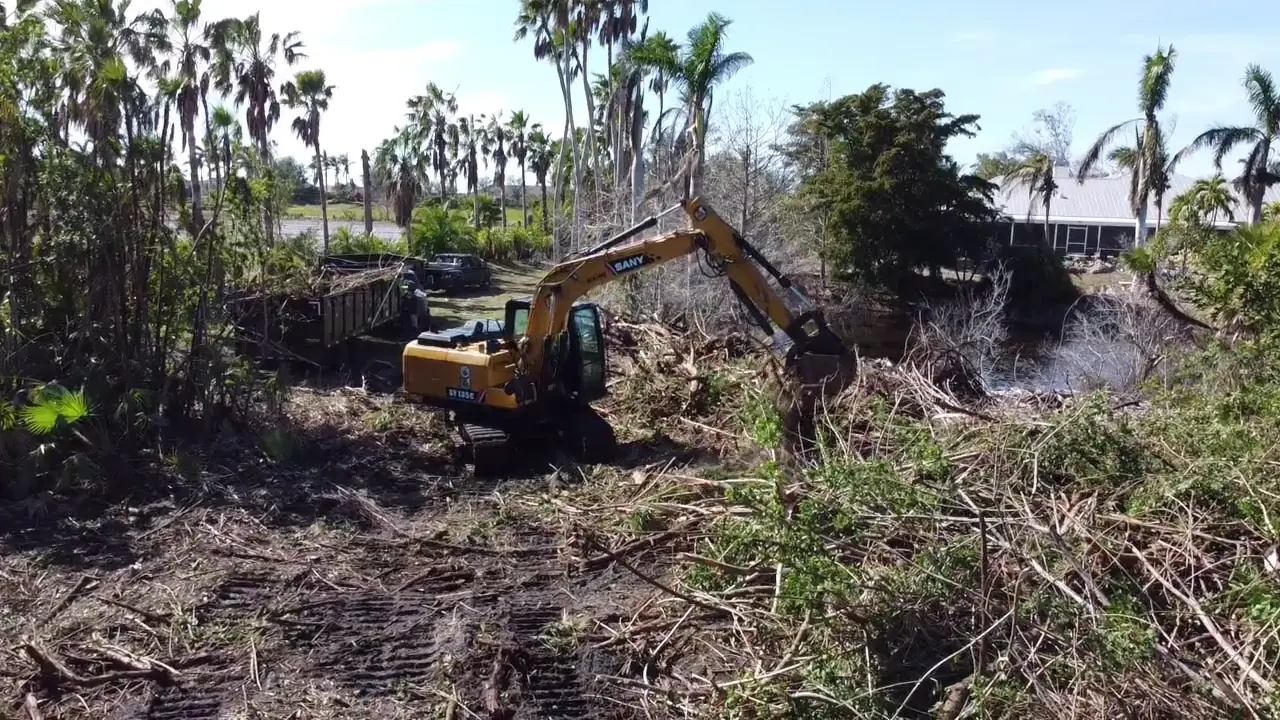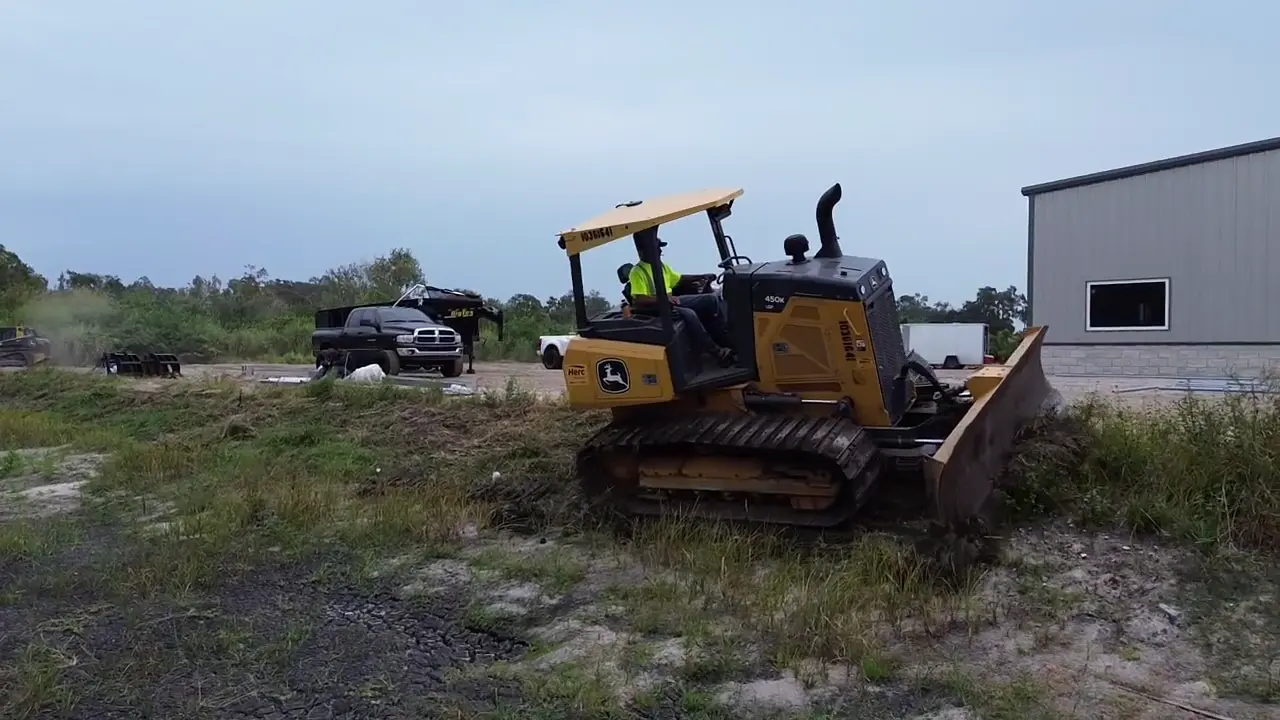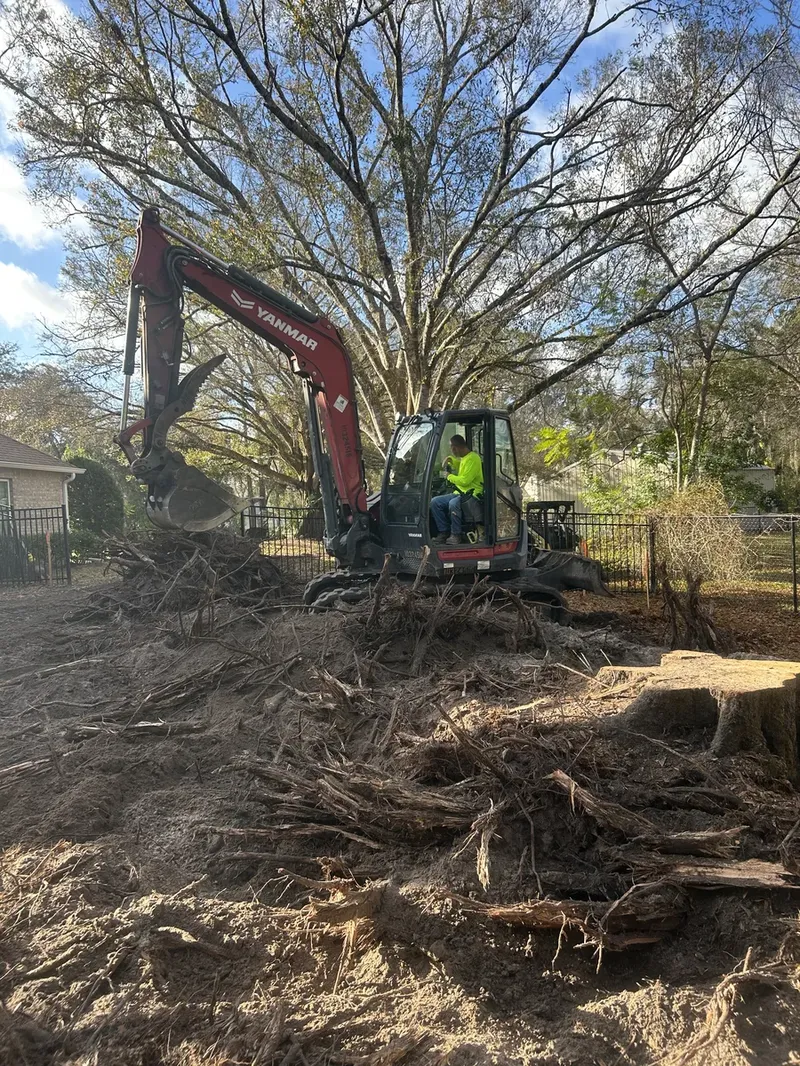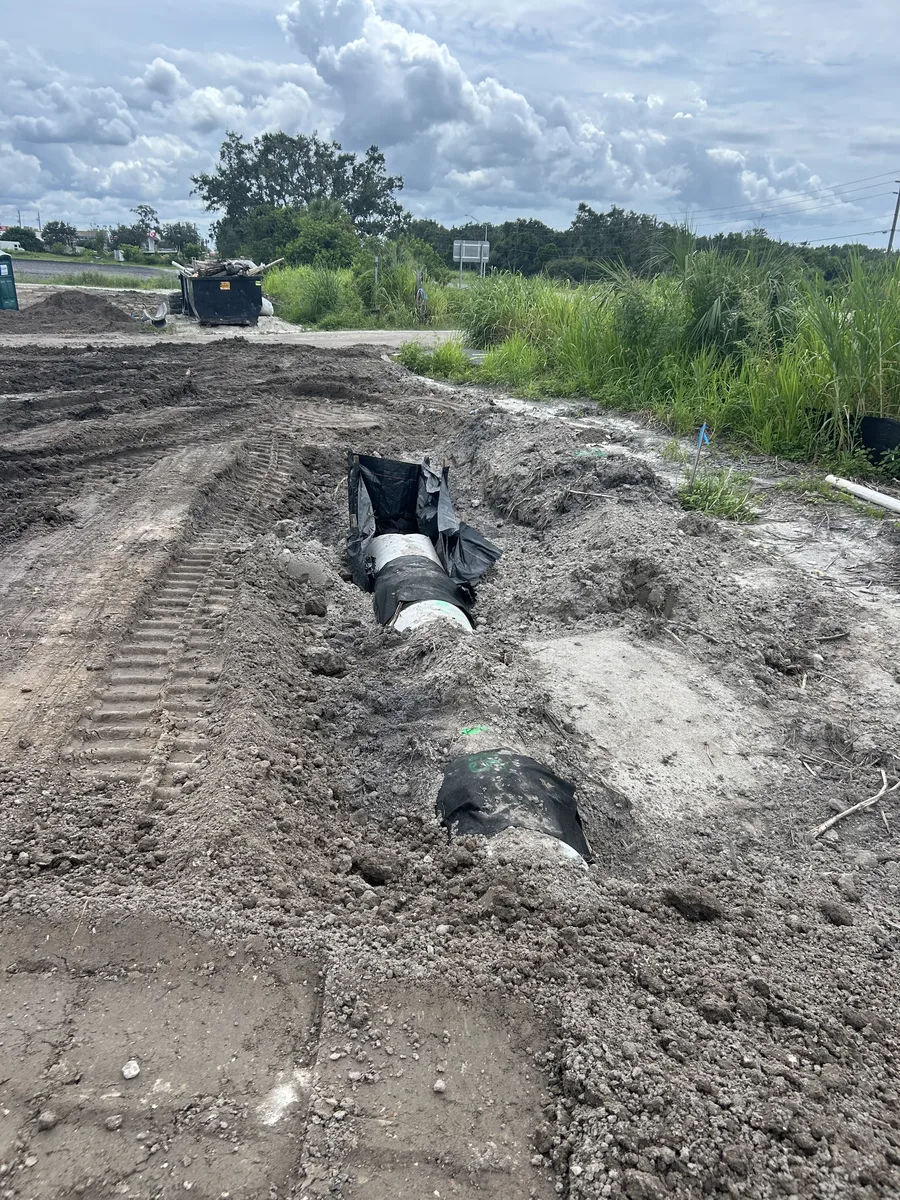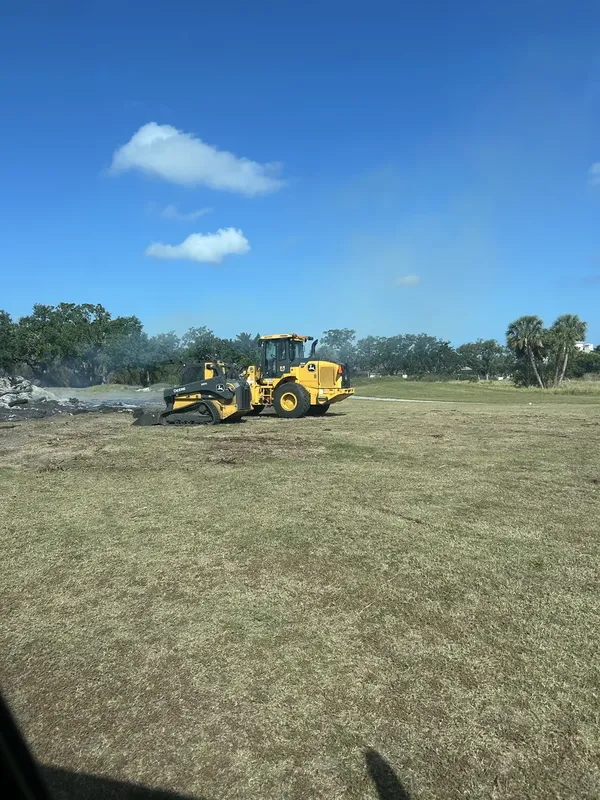
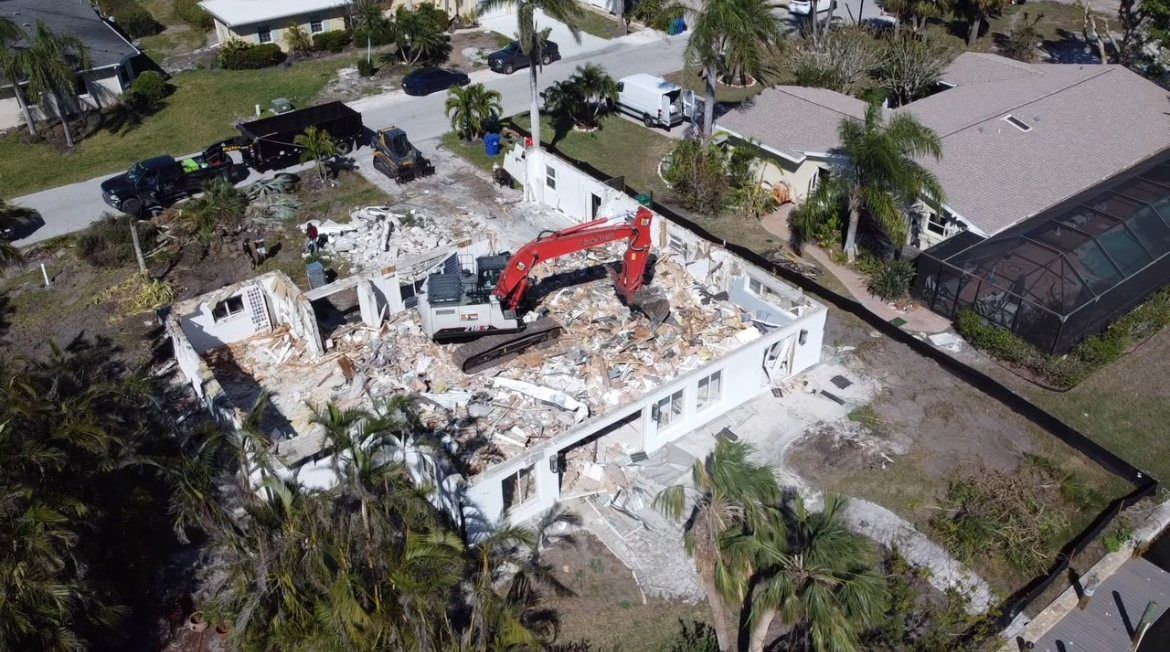
Demolition in St. Petersburg runs differently than it does almost anywhere else Lethermon works. Pinellas County is the most densely populated county in Florida, and inside city limits there's essentially no vacant land left in established neighborhoods — nearly every new home or major renovation starts with tearing something down. That reality shapes the whole job: narrow lots, older construction, tight side-yard access, and a county environmental step that catches a lot of property owners off guard. Here's what demolition in St. Petersburg actually involves, from the asbestos survey almost every older home triggers to the permits that have to line up before equipment shows up.
St. Petersburg's Built-Out Lots Mean Demolition Comes First
Lethermon's St. Petersburg work concentrates in South St. Petersburg, Pinellas Point, Gulfport, Pasadena, Jungle Terrace, and Tyrone — established, mid-century neighborhoods where the original homes were built decades ago and a growing number have reached the point where a teardown pencils out better than a renovation. That's a different starting point than a fast-growing area like Parrish, where our crews are just as often clearing raw land as demolishing a structure. In St. Petersburg, demolition is usually step one, not an occasional phase — which is why access, sequencing, and a clean handoff to the next contractor matter more here than almost anywhere else we work.
What the Work Actually Looks Like on a Tight Lot
St. Petersburg's older, platted neighborhoods weren't laid out with modern equipment access in mind. Narrow lots, close-set neighboring structures, mature trees, pools, and fences all have to be worked around, and staging room for a crew and haul trucks is often tighter than in newer subdivisions. Most jobs fall into one of two categories: complete demolition, where a structure comes down to the slab or foundation ahead of new construction, or selective demolition, where only part of a building is removed for a renovation. Either way, the sequence runs the same — assess the structure, secure permits and utility disconnects, demolish, then remove debris and grade the lot so it's clean and build-ready rather than left as a debris field.
The Asbestos Survey Almost Every Older Home Triggers
This is the step that surprises the most property owners. Under Pinellas County's asbestos program, a written asbestos survey performed by a state-licensed asbestos consultant is required before nearly any demolition or renovation — and that requirement applies even if the survey turns up no asbestos at all. In a city where much of the housing stock predates the 1980s, that covers most homes.
Once the survey is done, a completed demolition notification form, a copy of the survey, and the applicable fee have to reach the county's Air Quality Division at least 10 working days before demolition begins — a timeline set by both Florida administrative rule and the federal EPA's asbestos regulation (NESHAP, 40 CFR Part 61, Subpart M). A common point of confusion: a City of St. Petersburg building or demolition permit does not satisfy this requirement on its own. It's a separate submission, and it's usually the longest lead time in a demolition schedule — not the actual teardown. If asbestos is found, Florida Statute 469.003 requires a licensed asbestos abatement contractor to handle removal separately from the demolition itself; this is not a step to skip or DIY.
Permits Run Through Two Offices, Not One
Because St. Petersburg is an incorporated city, demolition and building permits generally run through the City of St. Petersburg's Development Services, while the asbestos survey and notification go to Pinellas County's Air Quality Division regardless of which municipality the property sits in. Utility disconnects — capping water and sewer service, disconnecting electric — are typically required before a permit is finalized as well. Running both processes in parallel from the start, rather than treating one as an afterthought once the other clears, is usually what keeps a St. Petersburg demolition on schedule.
If Your Property Is in a Historic District
St. Petersburg has ten local historic districts — Old Northeast, Snell Isle, and Historic Kenwood among them — plus properties individually listed on local and national registers. If a property sits inside one of these overlays, demolition typically requires design review through the city's historic preservation program before a permit is issued, which adds time a standard demolition schedule elsewhere in the city doesn't need to account for. None of Lethermon's usual South St. Petersburg, Gulfport, and Pinellas Point project areas fall inside these districts, but if you're unsure where your address stands, it's worth confirming with the city's planning department before finalizing a demolition timeline.
Timing and Access Considerations
Southwest Florida's wet season, roughly June through October, adds a practical wrinkle to demolition timing in low-lying South St. Petersburg neighborhoods: saturated ground can slow equipment access and debris hauling, and a cleared lot left exposed through a heavy rain stretch can hold water if grading isn't addressed promptly. None of this rules out a wet-season demolition — it happens routinely — but it's worth asking your contractor how they sequence debris removal and final grading around the forecast rather than leaving a cleared lot exposed indefinitely.
What to Confirm Before You Sign a Demolition Contract
- •Asbestos survey and county notification — confirm who is scheduling it and how it's priced into the job
- •Permit scope — a City of St. Petersburg building/demolition permit, handled separately from the county's environmental notification
- •Utility disconnects — water, sewer, and electric capped and confirmed before demolition starts
- •Debris removal and disposal — included in the quoted price or billed separately, and where material is hauled
- •Site cleanup and grading — a clean, graded lot when the crew leaves, not a debris field
How Demolition Fits Into the Rebuild
Demolition is rarely the only phase. Once a structure and its slab are down, the site usually needs concrete removal if a foundation or driveway remains, then grading to leave the lot properly sloped for drainage before the next contractor starts foundation work. Sequencing these phases with one crew instead of separate subcontractors is one of the more common ways we keep a St. Petersburg teardown-and-rebuild on schedule. Our guide to demolition costs in Florida covers what drives pricing statewide, and our guide to choosing an excavation contractor has the questions worth asking before you sign — both apply directly to a St. Petersburg teardown.
Lethermon Grade Excavations handles demolition in St. Petersburg — including South St. Petersburg, Pinellas Point, Gulfport, and the surrounding neighborhoods — from initial assessment through a clean, build-ready lot. We coordinate the asbestos survey and county notification as part of every project, so it's never a surprise mid-schedule. Request a free estimate and we'll walk the property with you before anything is priced.
Frequently Asked Questions
Do I need a permit to demolish a house in St. Petersburg, FL?
Yes. The City of St. Petersburg requires a demolition permit for structures within city limits, and Pinellas County separately requires an asbestos survey and demolition notification through its Air Quality Division regardless of which office issues the building permit. Confirm both requirements with the relevant office before scheduling work.
Do I need an asbestos survey before demolishing a home in St. Petersburg?
In almost all cases, yes. Pinellas County Code requires a written asbestos survey by a state-licensed consultant before nearly any demolition or renovation, and a completed notification form plus the survey must reach the county's Air Quality Division at least 10 working days before work begins. This applies even when no asbestos is found, and a standard building permit does not satisfy it.
What if my St. Petersburg property is in a historic district?
St. Petersburg has ten local historic districts plus properties individually listed on local and national registers. If a property sits inside one of these overlays, demolition typically requires design review through the city's historic preservation program before a permit is issued, which can add time to the schedule. Confirm with the City of St. Petersburg's planning department early in the process.
How long does residential demolition take in St. Petersburg?
A straightforward single-family home typically comes down in 2-3 days once permits, utility disconnects, and the asbestos survey are cleared. The survey and the county's 10-working-day notification period are usually the longest lead time in the schedule, not the demolition itself.
Written by
Kameron LethermonOwner of Lethermon Grade Excavations. Military background with 15+ years of excavation and construction experience in Southwest Florida. View full profile →