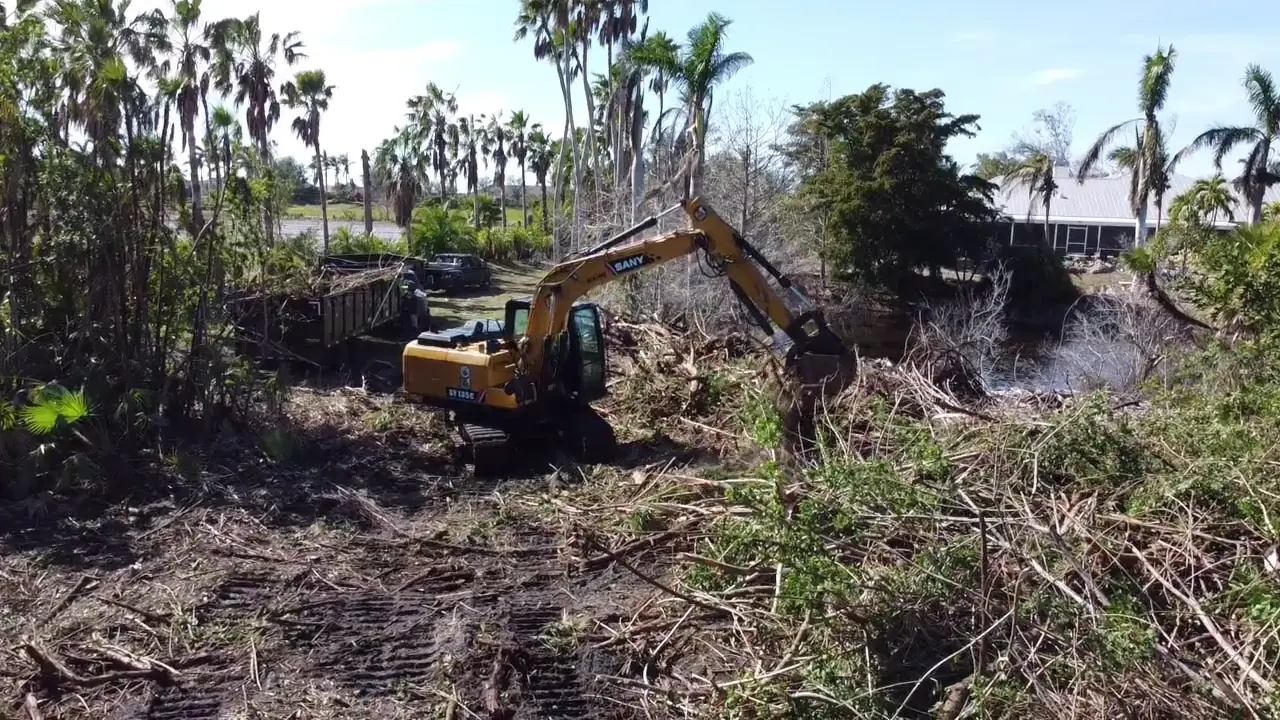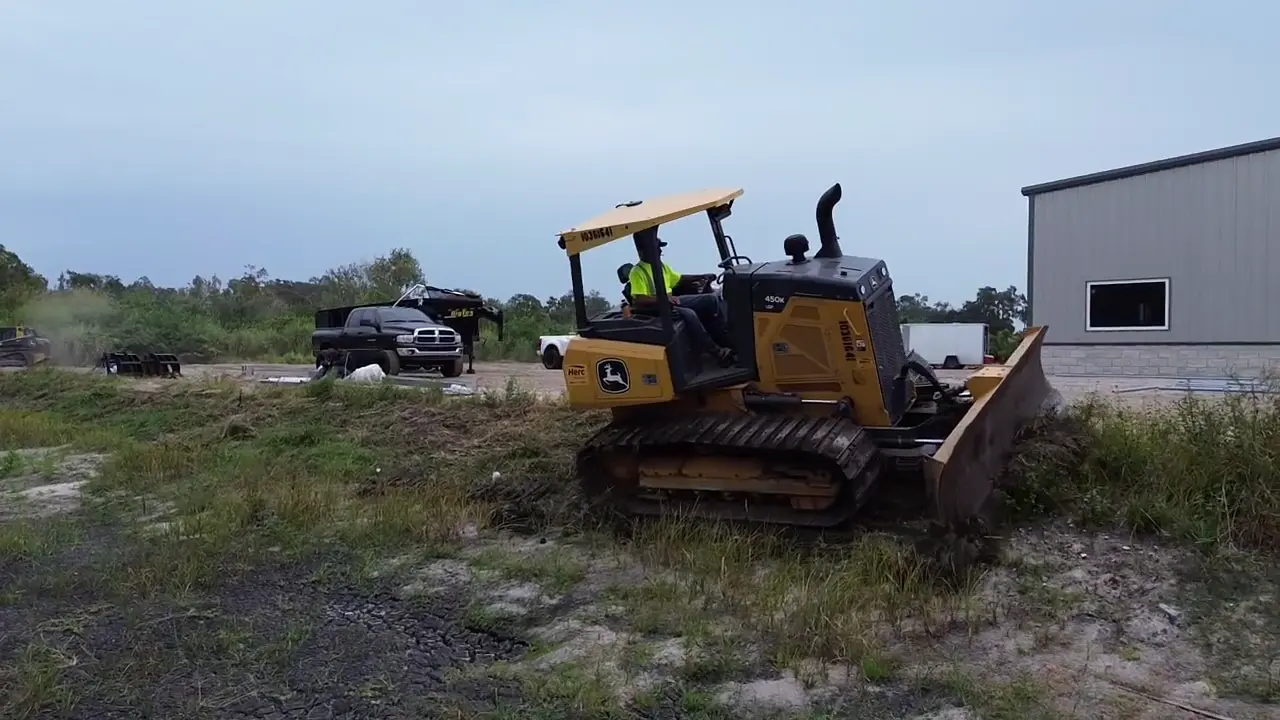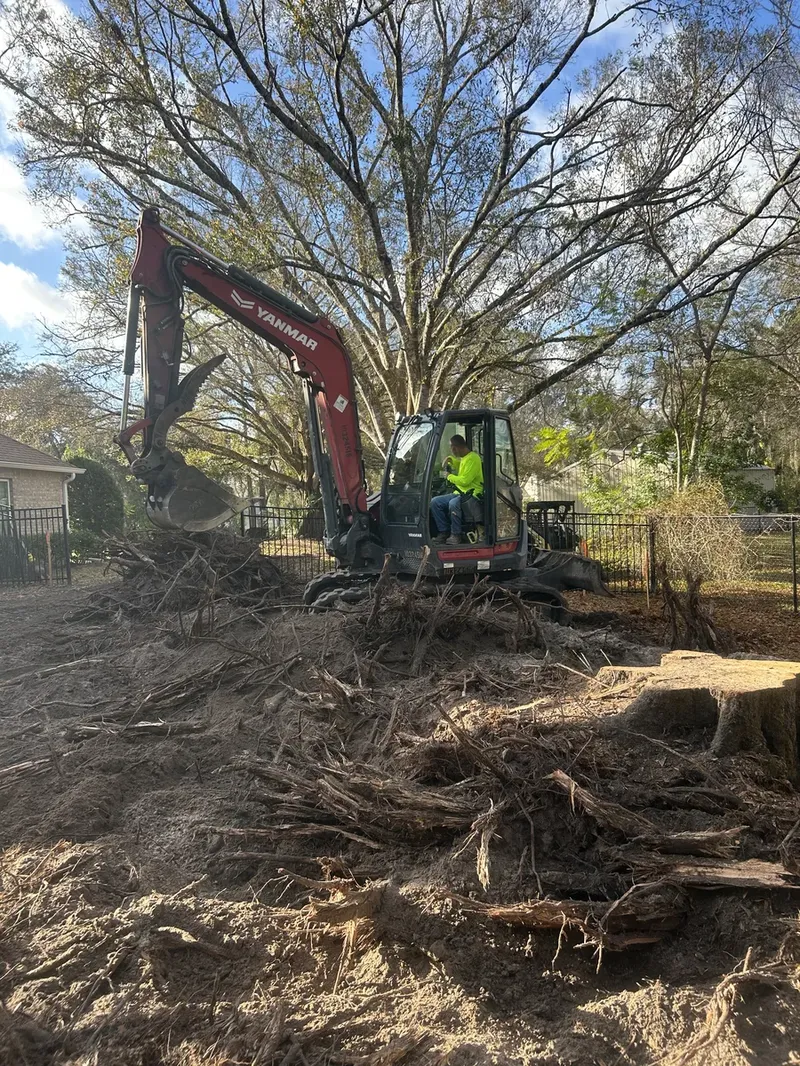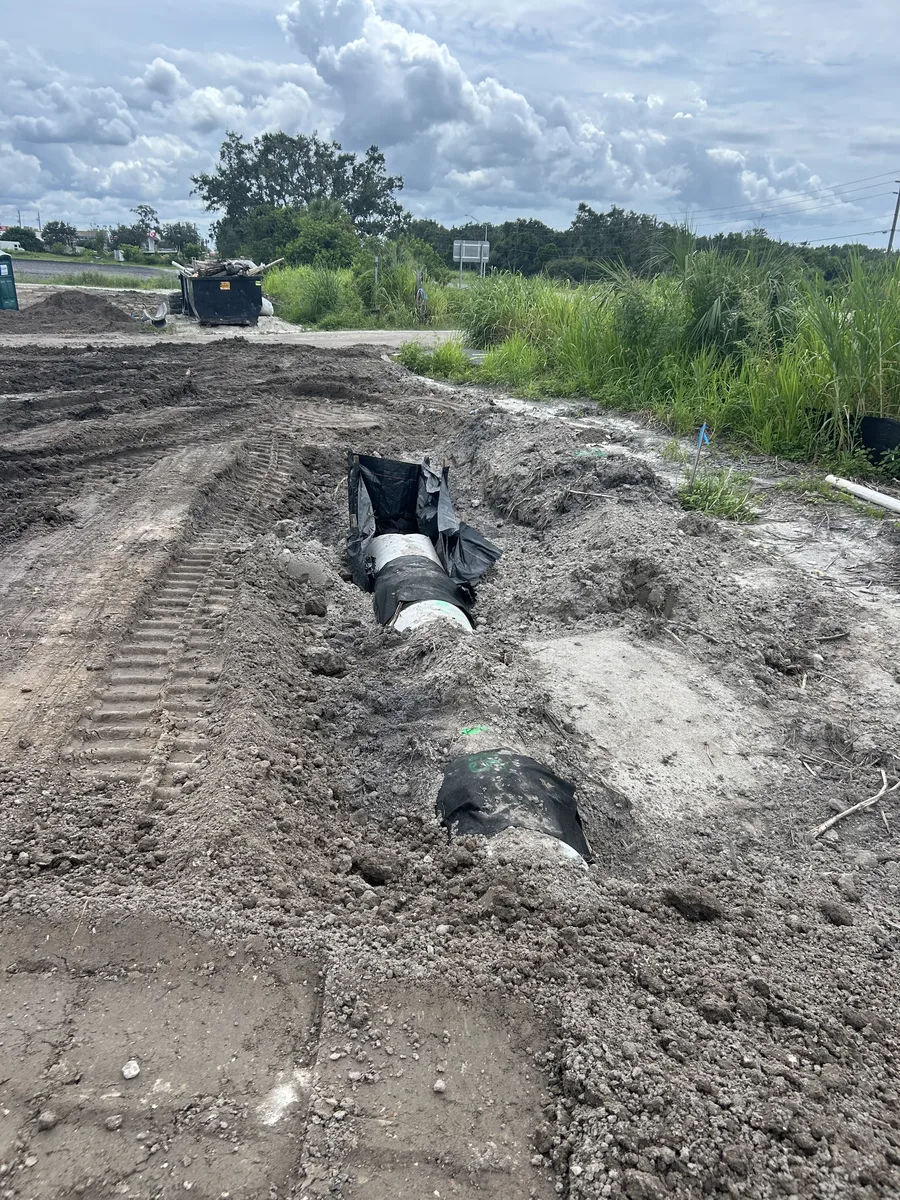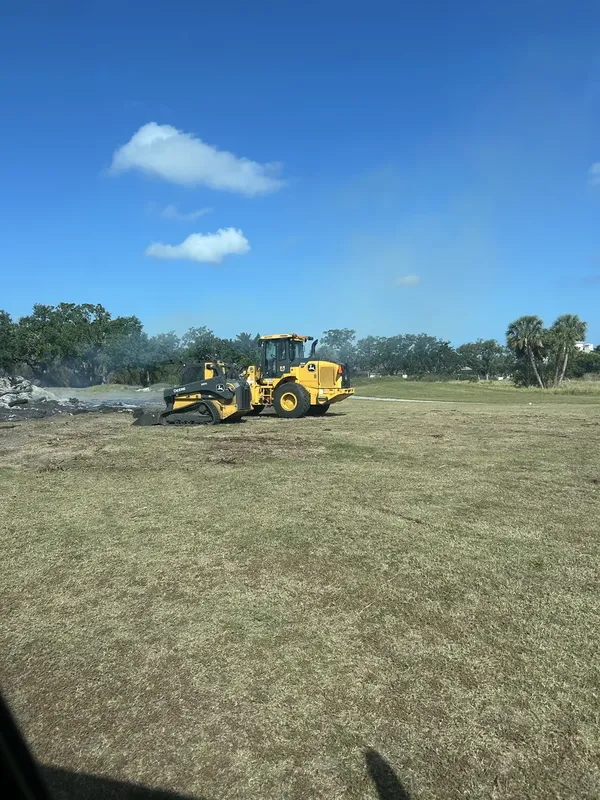
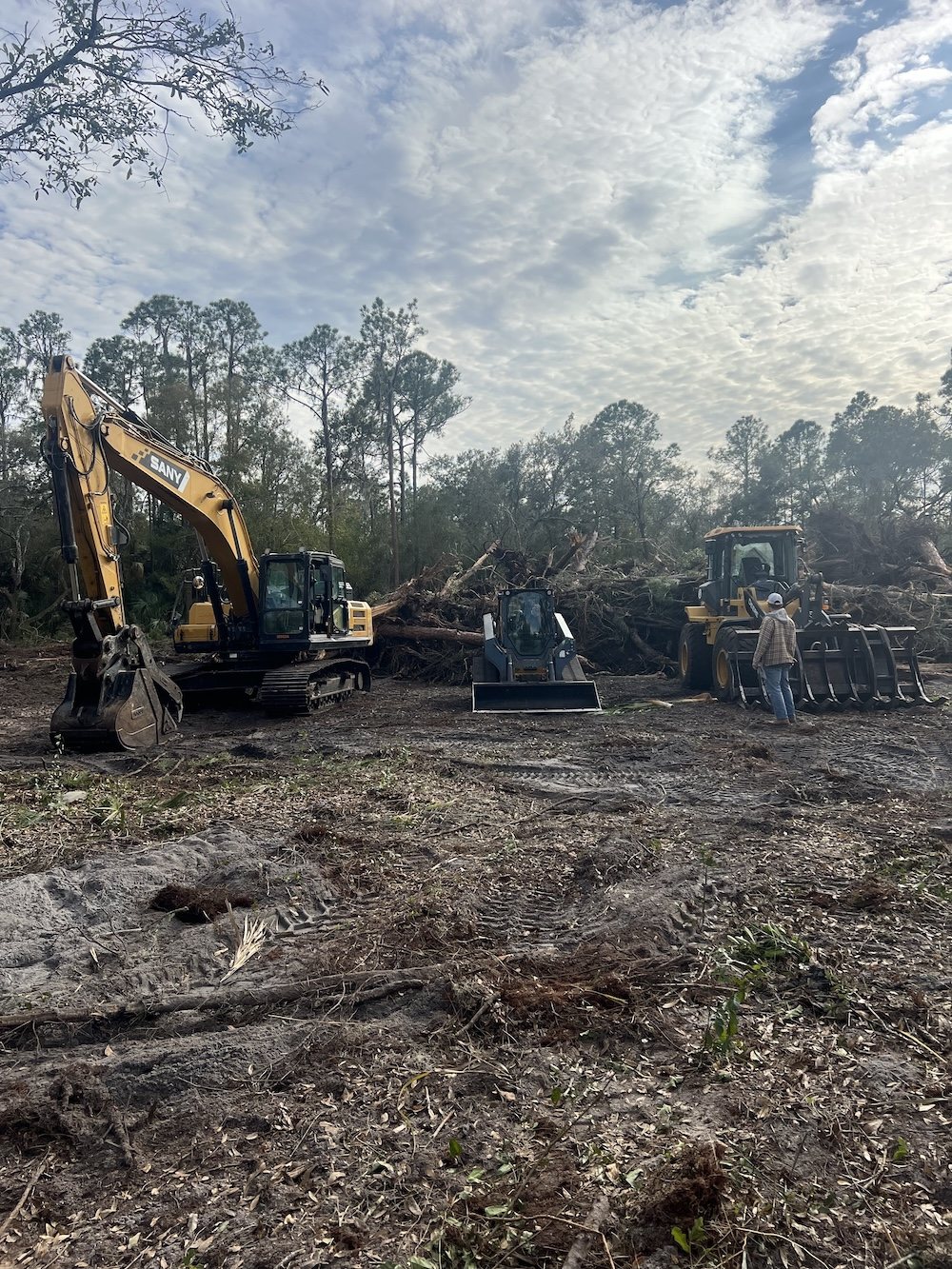
Land clearing in Parrish, FL is the first real work on most lots out here — and it is rarely as simple as the flat, open look of the land suggests. Parrish has become one of the fastest-growing corners of Manatee County, with master-planned communities like North River Ranch pushing new construction across ground that was pasture and pine flatwoods a decade ago. If you own a lot here and plan to build, clearing is where the project starts. Here is what the work actually involves, what the county will and will not let you do, and where clearing a Parrish lot goes sideways when it is rushed.
The growth is not hype. Parrish is regularly cited as one of the fastest-growing communities in Manatee County and the wider Tampa Bay region, and North River Ranch alone is planned for more than 6,000 homes at full build-out. That pace means raw land is changing hands quickly, and a lot of owners are clearing property for the first time — without a clear picture of what is actually under the palmettos.
Why a Flat Parrish Lot Isn't a Simple One
Southwest Florida land reads as easy. It is flat, it is open, and the vegetation looks low. But three things make clearing in Parrish more involved than it appears. The soil is sandy and shifts easily once the surface cover is stripped off. The water table sits close to the surface, so low spots hold water and turn to muck after a normal wet-season afternoon. And much of the native ground here is pine flatwoods and saw palmetto — root systems that do not lift out clean and have to be grubbed, not just mowed.
None of that is a problem when it is planned for. It becomes a problem when a lot gets stripped bare, a rain comes through, and the owner discovers that flat and dry in April is not the same lot in August.
What's Actually on a Parrish Lot
Before anything is priced or scheduled, it helps to know what tends to be growing — and buried — on land in this part of the county:
- •Saw palmetto. Dense, matted root systems that spread sideways. It is the single most common reason clearing a Parrish lot takes longer than an owner expects.
- •Slash and longleaf pine. Has to be felled and then removed or chipped, and the stumps have to be grubbed rather than left to rot in the build area.
- •Oaks and cabbage palms. Some are worth keeping for shade and value, and some may be protected. Identify them before the machine starts, not after.
- •Underbrush and invasives. Brazilian pepper and other invasive growth are common on former pasture and disturbed ground and add to the volume that has to come off.
- •Old farm debris. Because so much of Parrish was agricultural, buried fencing, wire, culverts, and dumped material turn up more often than people expect. Finding it during clearing is far cheaper than finding it during foundation work.
The Land Clearing Process, Step by Step
Every lot is a little different, but a proper clearing job on a Parrish property tends to run in the same order:
Walk and mark. Flag what stays — protected or desirable trees, any wetland line, utilities — and confirm the build footprint before a blade touches the ground.
Locate utilities. Call Sunshine 811 for underground locates. On land near new development, gas, water, and fiber can be closer to the surface than you would guess.
Cut and fell. Vegetation and trees come down and get staged for processing.
Grub the roots. Stumps and root mats are pulled out so the ground can be compacted. This is the step that separates a buildable lot from one that settles later.
Process the debris. Haul off, chip on site, or grind, depending on the volume and what the site allows.
Rough grade. A good crew leaves the lot shaped to drain rather than just scraped flat. On Florida ground, how the lot is graded right after clearing decides how it handles the next storm.
Grubbing Is the Step That Protects Everything After It
There is a real difference between mulching a lot and clearing it for construction. A forestry mulcher can knock vegetation down to grade quickly and cheaply, and for a lot you only want to open up, that can be enough. But for anything you will build on, the roots have to come out. Left in the ground, palmetto and pine roots decompose over the years and leave voids — and voids under a slab or a driveway show up later as cracks and settling. Proper land clearing for construction includes grubbing so the ground can be compacted to a base you can actually build on.
Permits, Trees, and Wetlands in Manatee County
This is the part worth slowing down for. Manatee County regulates tree removal and land clearing, and what applies to your project depends on the parcel — its zoning, whether it is a platted single-family lot or a common area, and whether any part of it touches a wetland or conservation area. As a general rule, individual single-family and duplex lots have more latitude on tree removal than HOA common areas, commercial sites, and conservation land, which typically require a tree removal permit. But wetlands are protected regardless of the lot type, and all clearing remains subject to county, state, and local rules — which on larger sites can include the Southwest Florida Water Management District.
Do not take a blog post's word for what applies to your lot — including this one. Confirm it with Manatee County's Environmental Planning Section before anyone clears, or let us pull the parcel and tell you what we are seeing. Clearing first and asking later is how a project earns a stop-work order and a fine that dwarfs whatever the permit would have cost.
What Happens to the Debris
Clearing a lot generates a surprising volume of material, and how it is handled affects both the cost and the finished site. There are three common paths. Haul it off, which keeps the lot clean but adds trucking and disposal. Chip or mulch it on site, which can be reused as ground cover but is not something you want left where you will build. Or grind stump and root piles down for removal. Open burning is tightly regulated in Florida and is not always permitted, so it is not something to plan around without checking with the Florida Forest Service first. The right choice depends on your lot, your timeline, and what you plan to do with the ground next.
Timing Clearing Around the Wet Season
In Southwest Florida, timing matters more than most owners realize. The drier months, roughly late fall through spring, are easier on the equipment and on the lot. Wet-season clearing is doable — crews here do it all summer — but the sandy, high-water-table ground gets soft, machines rut it up, and a freshly stripped lot with no cover erodes and ponds under the daily storms. If you clear in summer, the move is to pair it with a grading and stabilization plan so the ground is not left bare and exposed. Our guide to getting a lot build-ready walks through how clearing, grading, and drainage fit together into one sequence.
Cost is the other question everyone asks, and it comes down to lot size, vegetation density, tree count, debris handling, and access. Rather than repeat it here, we break the numbers down in our Florida land clearing cost guide — the same factors apply to a Parrish lot.
Lethermon Grade Excavations clears and preps lots across Parrish, Palmetto, Bradenton, and the surrounding Manatee County area — land clearing, grubbing, rough grading, and debris haul-off, coordinated as one job. If you have a lot in Parrish and you are not sure what is under the palmettos or what the county will want, request a free estimate and we will walk it with you before anything comes down.
Frequently Asked Questions
Do I need a permit to clear my lot in Parrish?
It depends on your parcel. Individual single-family and duplex lots generally have more latitude on tree removal than HOA common areas, commercial sites, and conservation land, which typically require a Manatee County tree removal permit. Wetlands are protected regardless, and all clearing is subject to county, state, and local rules. Confirm what applies to your specific lot with Manatee County's Environmental Planning Section before anyone clears.
How long does it take to clear a lot in Parrish?
It depends on the lot size, how dense the vegetation is, and how the debris is handled. A typical residential lot is often a matter of days, but heavy saw palmetto and pine, stump grubbing, and hauling debris off site all add time. The most reliable answer comes from a walkthrough, not a square-footage estimate.
What's the difference between land clearing and grubbing?
Clearing removes surface vegetation and trees. Grubbing removes the roots and stumps left behind so the ground can be compacted and built on. Anything you plan to build on — a slab, a driveway, a structure — needs grubbing, because roots left in the ground decompose over time and leave voids that cause settling.
When is the best time of year to clear land in Southwest Florida?
The drier months, roughly late fall through spring, are easier on both the equipment and the lot. Wet-season clearing is doable, but Parrish's sandy soil and high water table turn soft under machines and a stripped lot erodes and ponds fast. If you clear in summer, have a grading and stabilization plan ready so the ground isn't left bare through a month of afternoon storms.
Written by
Kameron LethermonOwner of Lethermon Grade Excavations. Military background with 15+ years of excavation and construction experience in Southwest Florida. View full profile →