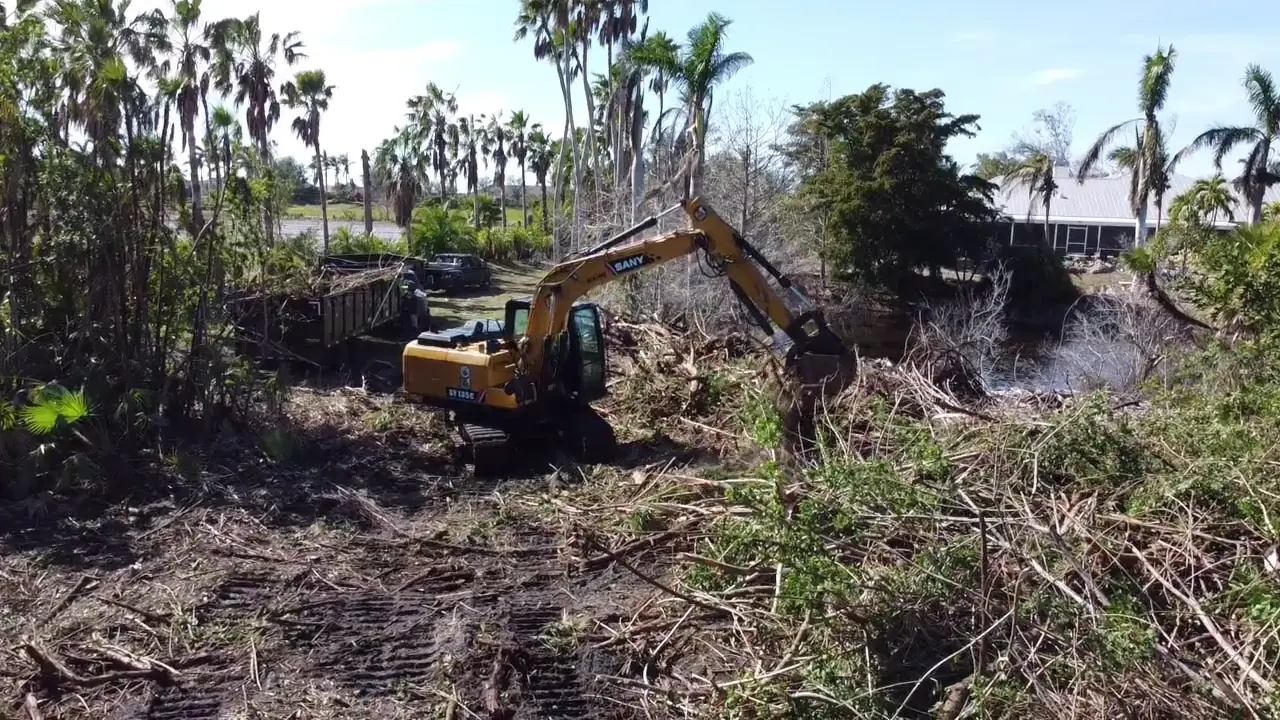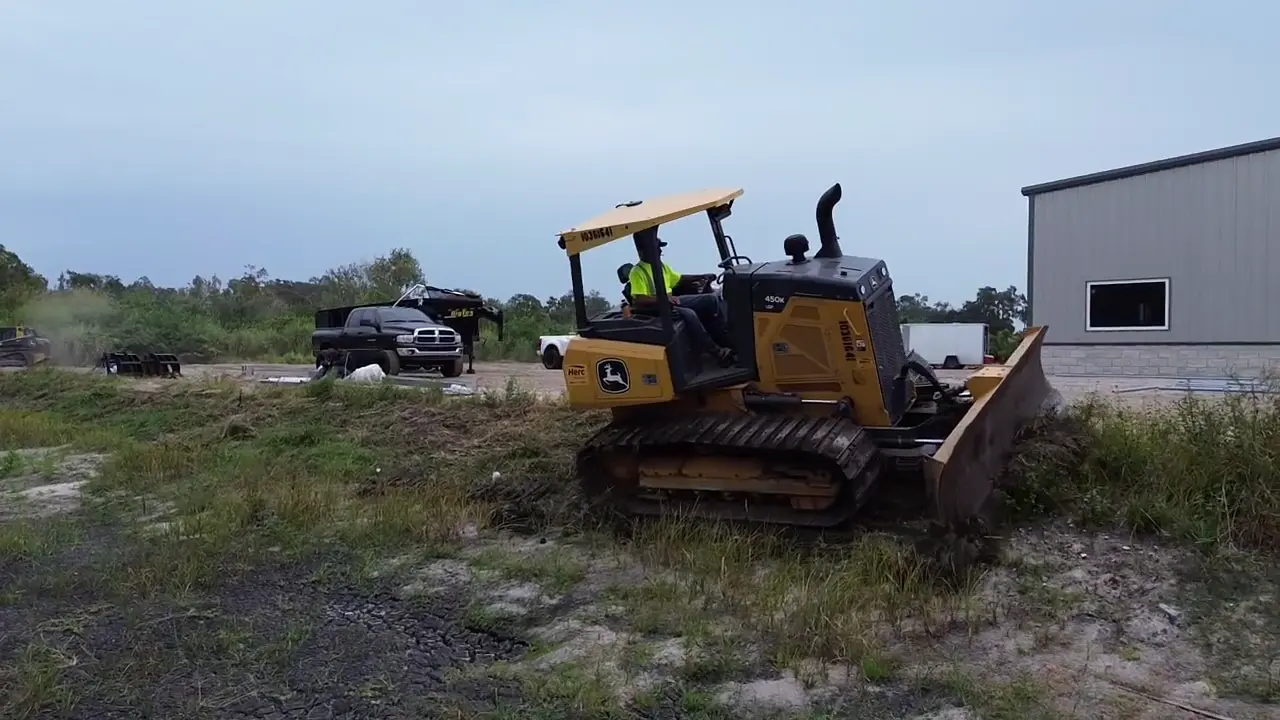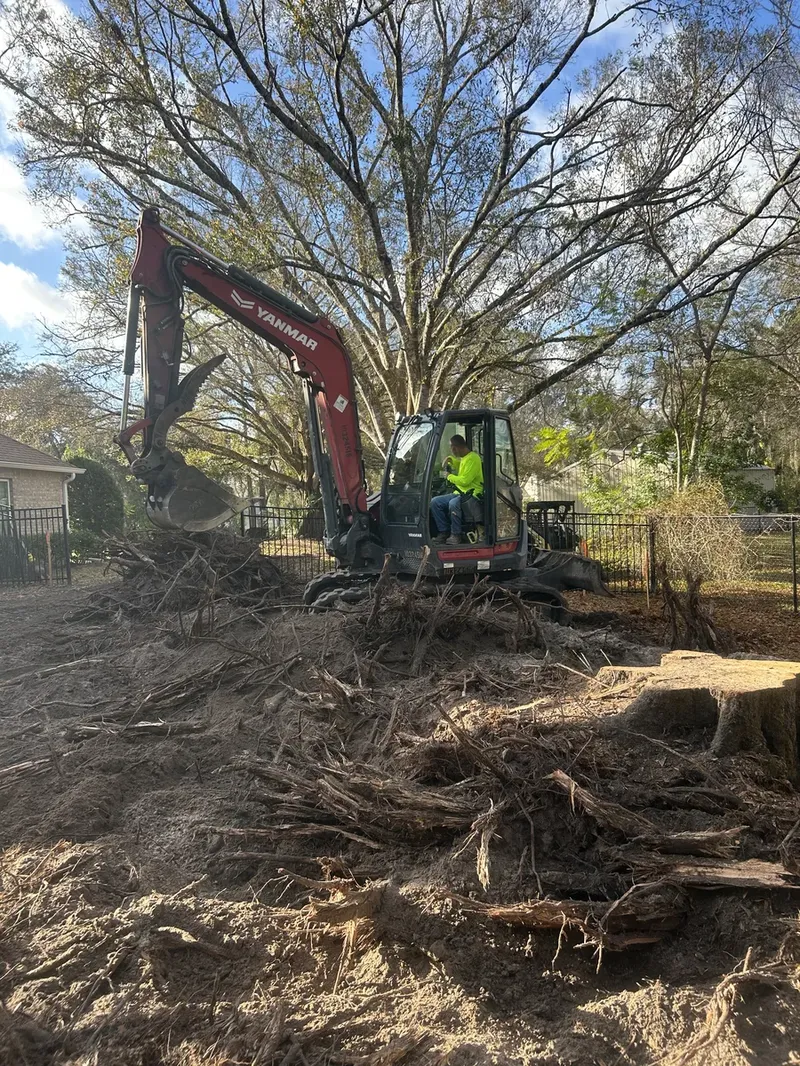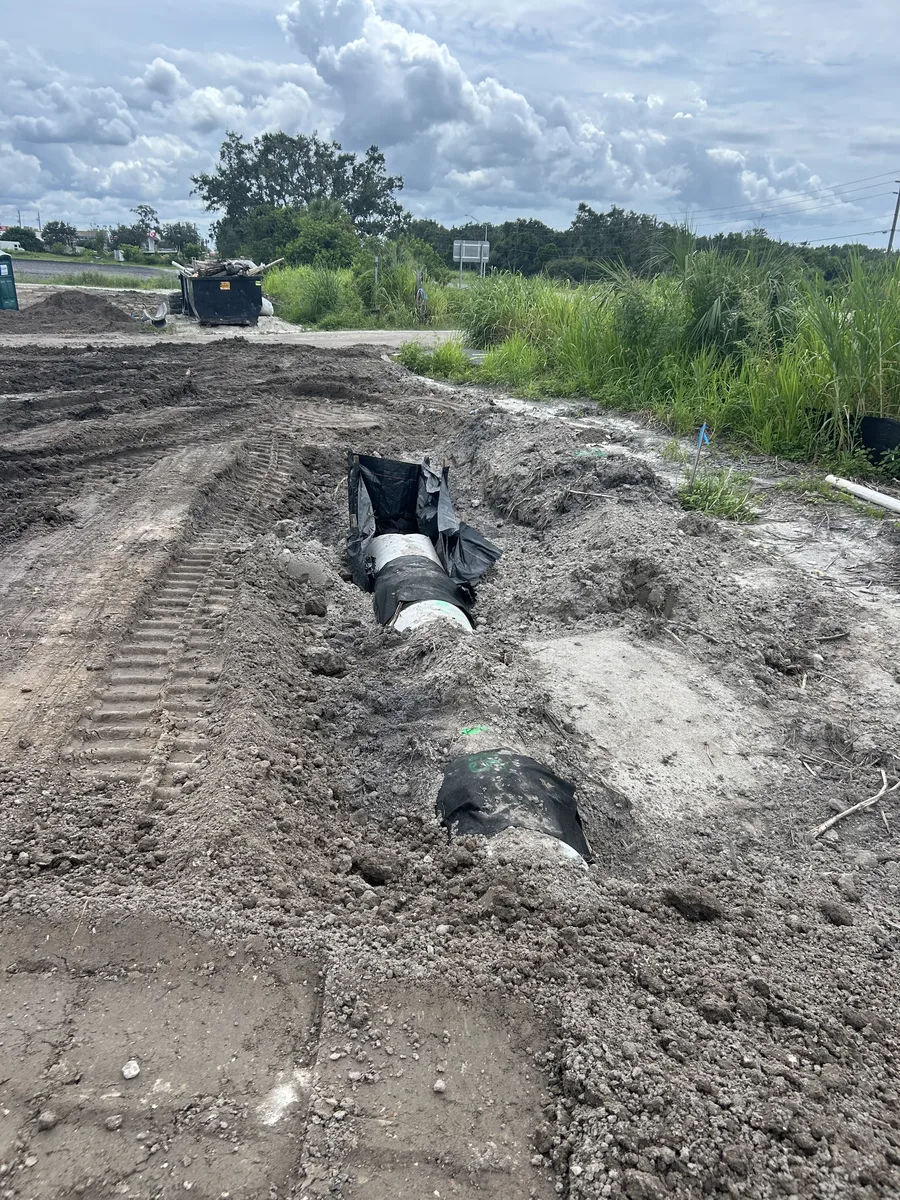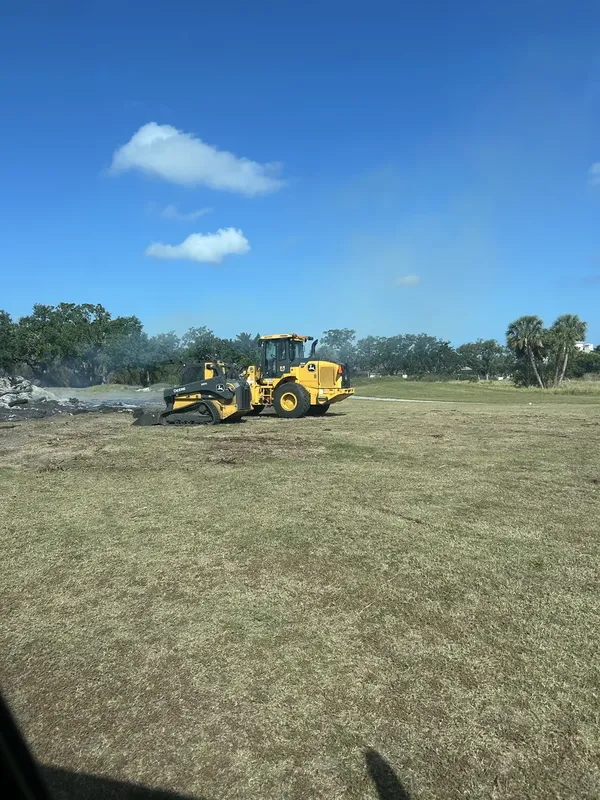
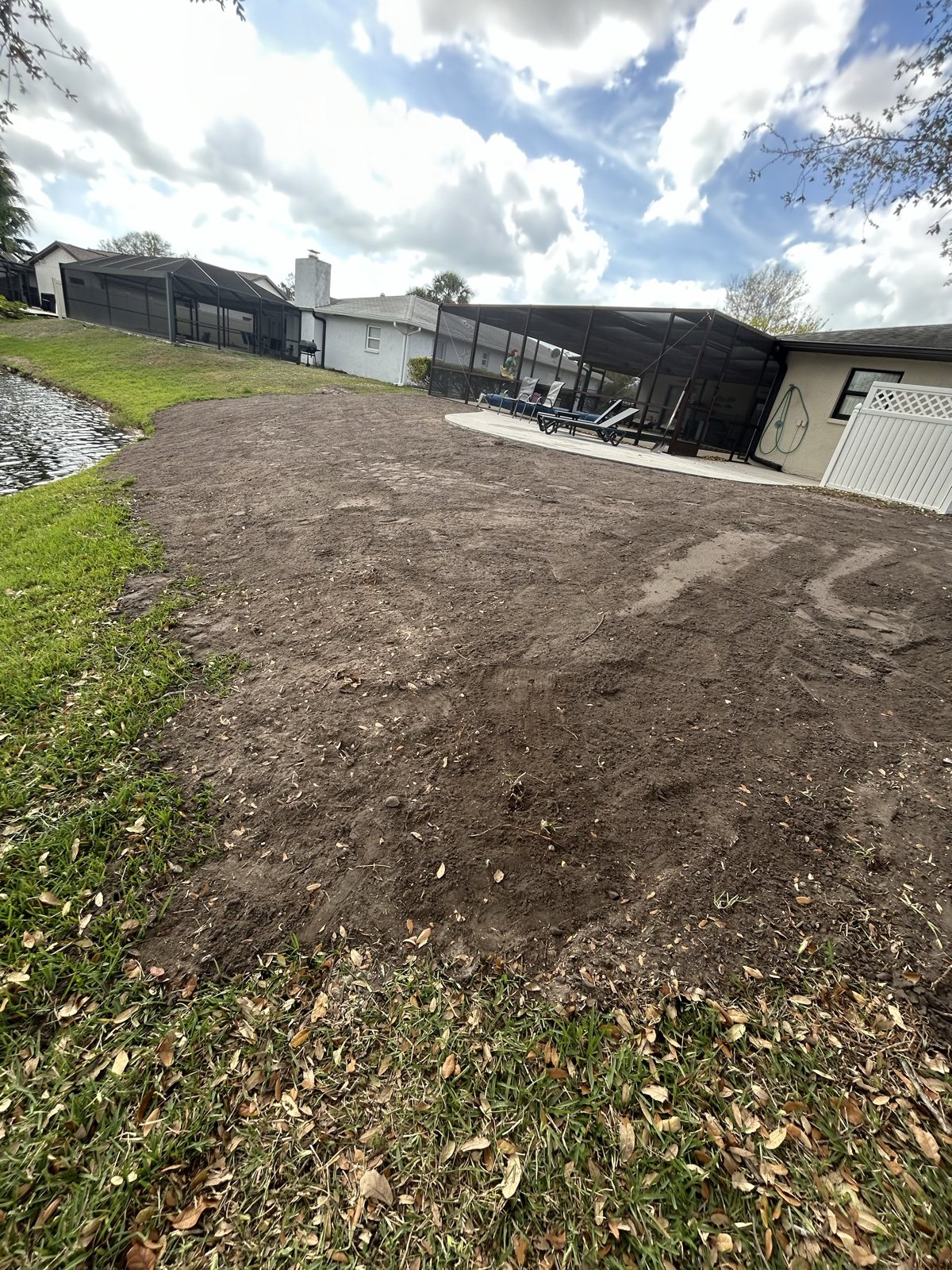
Venice sits closer to the water table than almost anywhere else in the Lethermon service area. Between Venice Island's canal-front lots, a barrier-island soil profile, and a mainland side that drains toward the Intracoastal Waterway, site grading and drainage aren't finishing touches here — they're the first line of defense for a house that stays dry. If you're building, renovating, or trying to stop water from collecting against your slab anywhere in Venice, South Venice, Nokomis, or Osprey, here's what actually goes into grading and drainage work on a Venice lot, and what to ask a contractor before they mobilize equipment.
Why Venice Lots Behave Differently
Most of Sarasota County shares the same flat, low-relief terrain that makes standing water a statewide problem in Florida, but Venice adds two factors on top of that. The water table sits close to the surface across much of the barrier island and the coastal mainland, which leaves less soil depth to absorb a hard rain before groundwater and stormwater start competing for the same space. And the soil itself — sandy, coastal, and threaded with canals on Venice Island and in South Venice — moves water differently than the denser, sometimes rockier ground inland toward North Port and eastern Manatee County.
None of that makes a Venice lot difficult to build on. It does mean that grading and drainage decisions that would be minor elsewhere carry more weight here. A foundation pad graded a fraction of an inch off level, a swale that's been filled in by years of landscaping, or a downspout that dumps water at the slab instead of away from it shows up faster on a high-water-table lot than it would further inland.
The Neighborhoods, and What Changes Block to Block
Not every Venice-area lot faces identical conditions. Venice Island and the canal-front sections of South Venice sit closest to open and tidal water, where drainage design has to account for stormwater alongside tidal influence on groundwater. Nokomis and Osprey run along the same coastal corridor with similar soil, generally with more recent construction and, in places, more room to grade a proper slope before hitting a property line or a seawall. Inland communities like Venetian Golf & River Club and Plantation were built with engineered stormwater systems as part of the original development — ponds, control structures, and drainage easements that are already doing most of the work, which shifts the job from designing drainage from scratch to keeping the existing system clear and tying new work into it correctly.
Knowing which situation a lot falls into changes the scope before any equipment shows up. A canal-front regrade and a new home going up inside a permitted subdivision are both technically "Venice drainage" work, but they call for different plans.
What Proper Site Grading Looks Like Here
Site grading is the shaping pass that sets finished elevations and the slope water follows once it leaves the roof and yard. On a Venice lot, that generally means:
- •Positive slope away from the foundation on every side, not only the side facing the street
- •Laser-guided grading to hold a consistent fall, since a lot this flat leaves very little margin for error
- •Coordination with the finished floor elevation set by the building plans, which on coastal and near-coastal lots is often tied to flood zone requirements
- •A finished grade that routes water toward a swale, drain, or approved outfall — never toward a neighboring property
Skipping or rushing this step is one of the more common reasons a Venice-area property fails a drainage inspection or develops a chronic wet-yard complaint within the first year or two after construction.
Drainage Options That Hold Up Near the Coast
Grading solves where water goes on the surface; drainage systems handle what grading alone can't reach. The right mix depends on the lot:
- •Swales — shallow, engineered channels that move water along property lines toward an outfall; common throughout Venice's platted neighborhoods and only effective if kept clear of sod buildup, plantings, and fill dirt
- •French drains — perforated pipe in a gravel trench, useful for chronic wet spots that grading alone can't solve, particularly in side yards pinched between houses
- •Catch basins and connected pipe — for lots that need to move a larger volume of water to a specific outfall point, more common on larger or commercial Venice parcels
Our guide to common Florida drainage problems covers how each of these fixes works in more detail. The difference in Venice isn't usually which solution you need — it's designing it around a water table that leaves little room for error.
Why This Connects to Foundation Protection
Site grading and drainage aren't separate from foundation work — on a high-water-table lot, they're the first line of defense for it. Water that pools against a slab, or that saturates the soil beneath a footing during backfill, can cause settling problems years after the visible construction is finished and forgotten. Our foundation prep guide walks through what happens between excavation and pour; the grading and drainage decisions covered here are what keep that foundation dry for the life of the house, not just through the first inspection.
Permitting Notes Worth Knowing
Interior lot grading is often straightforward, but Venice work touches more regulated territory than a typical inland Sarasota County lot. Canal-front and coastal properties can fall under additional review tied to flood zones and seawalls, and larger projects may involve the Southwest Florida Water Management District (SWFWMD). Work inside a platted drainage easement or a roadside swale is also county-regulated, and any change that redirects runoff onto a neighboring lot can become a code issue even when the grading itself was done correctly. Requirements vary by the specific property and its flood zone designation, so confirm what applies with the Sarasota County building department or SWFWMD before finalizing a plan — and expect a contractor experienced in Venice to already know which details of your project will trigger extra review.
Timing It Right
Southwest Florida's wet season runs roughly June through September, with hurricane season's peak stacked on top of it from mid-August through October. On a lot with as little margin as a Venice property has, grading and drainage work is easiest to get right — and easiest to get scheduled — before that window opens, not during it. Our hurricane season drainage prep guide covers the walkthrough and fixes worth doing every year, regardless of what's already engineered into your lot.
What to Confirm Before Work Starts
Whether you're grading a new pad or fixing a yard that's held water for years, a contractor familiar with Venice conditions should be able to walk you through:
- •The lot's finished floor elevation and how grading ties into it
- •Whether the property sits in a flood zone that affects the plan
- •Where water is meant to exit the property, and whether that path is currently clear
- •Whether the issue is a grading problem, a drainage problem, or both — related, but not interchangeable
Lethermon Grade Excavations has completed 28+ projects in Venice, Nokomis, Osprey, and the surrounding coastal communities, from canal-front regrading to new-construction drainage systems. We know which streets sit closest to the water table and which developments already have engineered stormwater systems doing part of the work. Contact us for a free, on-site estimate — we'll walk the lot with you before recommending a plan.
Frequently Asked Questions
Why is drainage more of a concern in Venice than other parts of Sarasota County?
Venice's water table sits closer to the surface than much of inland Sarasota County, and the sandy, coastal soil on Venice Island and in South Venice interacts with tidal and stormwater differently than denser inland ground. That combination leaves less margin for grading or drainage mistakes to go unnoticed.
Do I need a permit to regrade my yard in Venice?
Interior lot grading is often straightforward, but Venice properties near the coast, in a flood zone, or touching a drainage easement or roadside swale face more regulated territory than a typical inland lot. Confirm specifics with the Sarasota County building department or SWFWMD before finalizing a plan — we coordinate this as part of the job.
What's the difference between a grading problem and a drainage problem?
Grading is the slope and shape of the land — whether water moves away from your foundation on its own. Drainage is the system, such as swales, French drains, or catch basins, that carries water the rest of the way once it leaves the yard. Many Venice properties need both working together, not just one or the other.
When is the best time to schedule grading or drainage work in Venice?
Before Southwest Florida's wet season ramps up, generally by early summer. Work scheduled ahead of the June-through-September wet season and the mid-August-to-October hurricane peak has time to settle and gives you a tested system before the heaviest rain arrives.
Written by
Kameron LethermonOwner of Lethermon Grade Excavations. Military background with 15+ years of excavation and construction experience in Southwest Florida. View full profile →