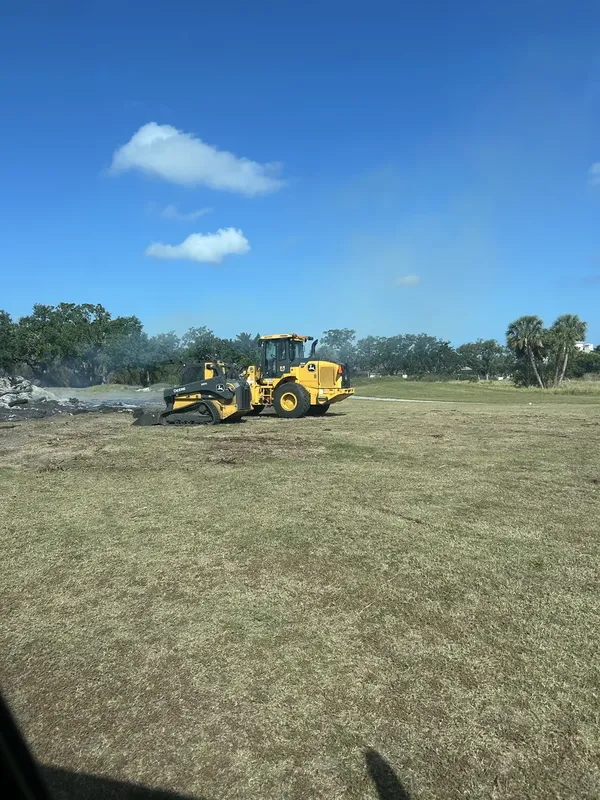
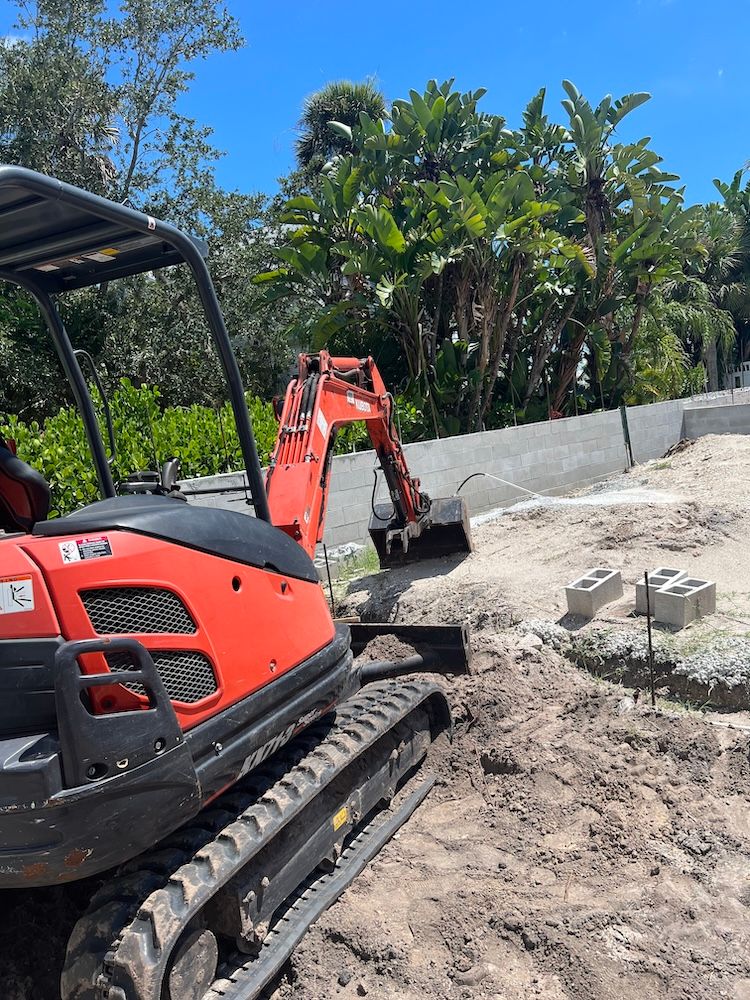
Excavation is where every build begins — footings, foundations, basements, retention ponds, and building pads all start with dirt that has to be moved to precise depths and tolerances. It's also one of the more variable line items in a Southwest Florida construction budget: soil type, water table depth, and hauling distance can swing a quote by tens of thousands of dollars. Here's what actually drives excavation cost in Florida, and what a fair quote from a Sarasota-Bradenton excavation contractor should include.
What Excavation Actually Covers
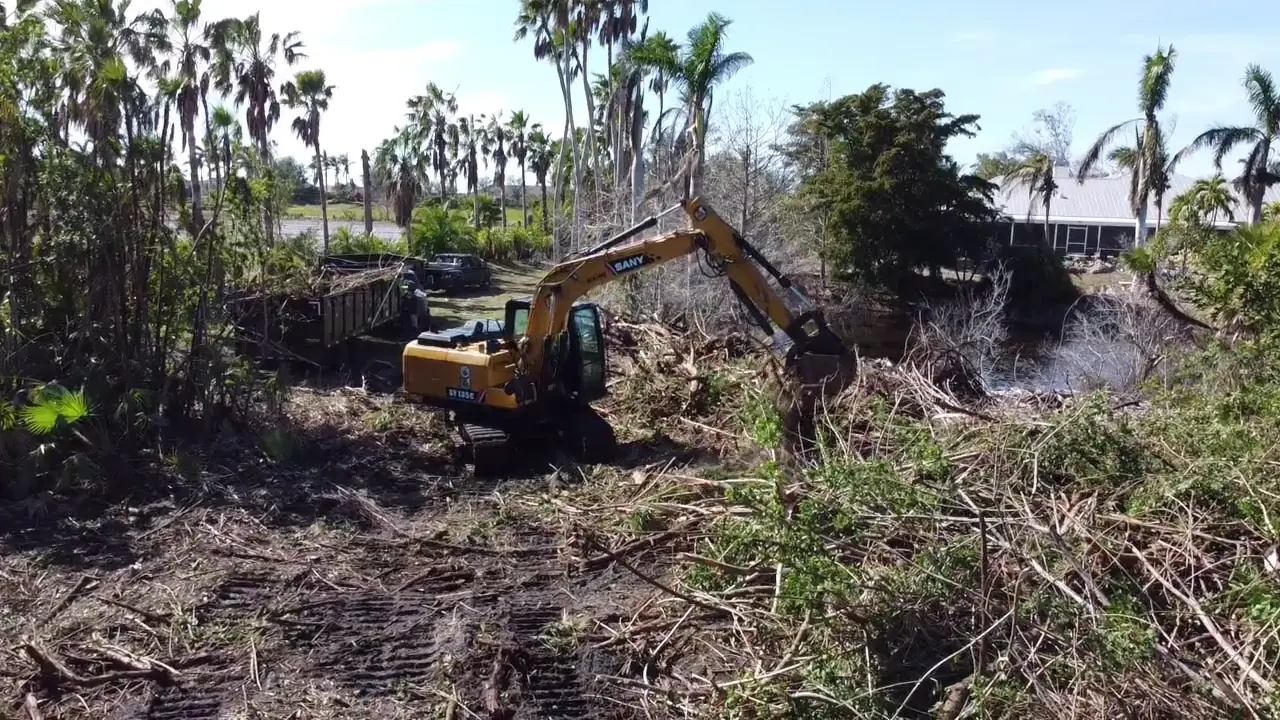
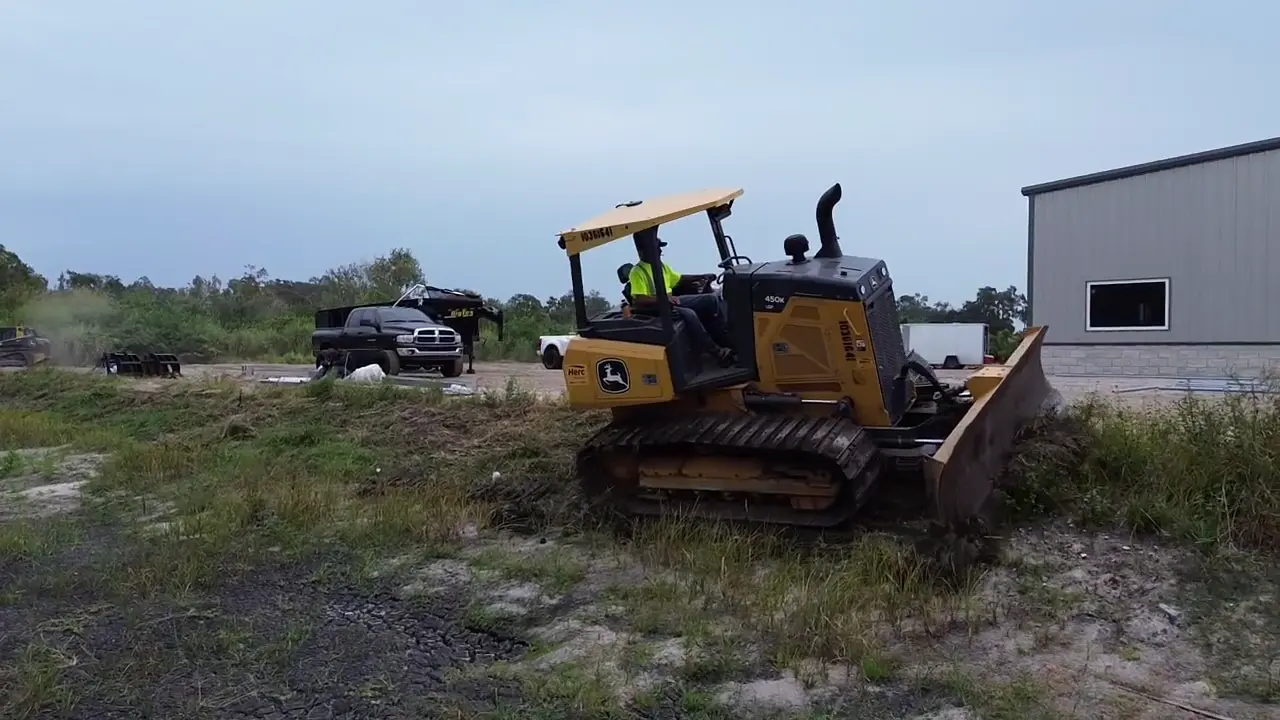
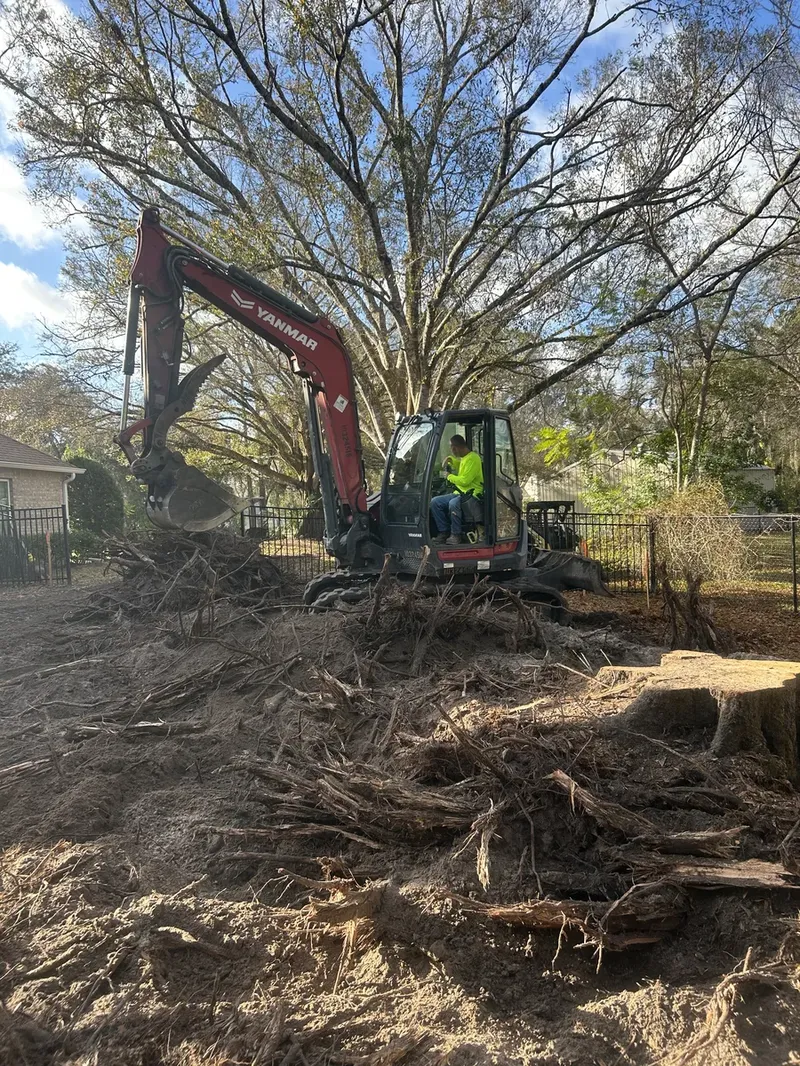
Excavation is the digging and earth-moving phase of a project — distinct from land clearing (removing trees and vegetation) and site grading (shaping and leveling finished elevations). A typical excavation scope includes foundation and basement digging, footing and footer trenches, building pad creation, pool and retention pond excavation, rock removal, and soil hauling. Some of that overlaps with grading and foundation prep, which is why scope definition matters as much as price — two contractors quoting "excavation" can mean very different things, so read the scope of work before comparing numbers.
What Drives Excavation Cost in Florida
No two digs are priced the same, but the same handful of variables drive cost across the Sarasota-Bradenton market.
Soil type and depth. Sandy soil, common across much of coastal Southwest Florida, is generally easier and faster to move than the limestone and rock found in pockets of inland Manatee and Sarasota counties. Rock excavation requires specialized attachments and slows production, which raises cost. Depth matters too — a shallow footing trench costs far less per cubic yard than a full basement or below-grade pad.
Water table depth. This is the biggest wildcard in Southwest Florida, and it gets its own section below.
Access and site conditions. Tight infill lots, overhead utilities, and limited room to stage equipment slow production and raise cost compared with an open, easily accessible lot.
Volume and hauling distance. How much material has to move, and how far it has to travel to a disposal or fill site, scale directly with cost. Material that can be balanced on-site — cut in one area, used as fill in another — costs less than material that has to be hauled off and replaced with imported fill.
Project type. A footing trench, a full basement dig, a retention pond, and a building pad all move different volumes of earth to different tolerances, so pricing varies accordingly.
Typical Excavation Price Ranges in Florida
National cost-data aggregators including Angi and HomeGuide put basic excavation work at roughly $2.50 to $15 per cubic yard for digging alone, with hauling and disposal of removed material adding another $8 to $25 per cubic yard on top. Florida's overall construction cost index tracks close to the national average, so these baseline per-yard figures hold up reasonably well here — though total project cost depends heavily on volume.
To put that in perspective: a 2,000-square-foot footprint excavated to a 3-foot depth moves roughly 220 cubic yards of material. At the combined dig-plus-haul rate above, that works out to a rough range of $2,300–$8,800 for a shallow footing-and-pad scope alone — before rock, water, or access issues are factored in. A full basement or deep foundation dig moves substantially more material and typically lands well into five figures.
- •Footing/footer trenches or small pad excavation: roughly $1,500–$8,000
- •Full foundation or basement excavation for a typical single-family home: commonly $20,000–$75,000+ depending on depth, soil, and hauling distance
- •Pool excavation: priced separately by volume and access — see our pool excavation guide — but follows similar per-yard logic
- •Retention pond or larger commercial pad excavation: quoted per project based on volume and engineering specs
These ranges are informed by national cost-data aggregators and regional project experience in the Sarasota-Bradenton market. They are not binding estimates — every site is different, and the only way to get an accurate number is a site visit and a review of your plans.
The High Water Table Factor
Southwest Florida's water table sits close to the surface across much of Manatee and Sarasota counties, and it's often the factor that separates a straightforward excavation quote from a more expensive one. When a dig reaches groundwater — a basement, a deep footing, a retention pond — the contractor has to dewater the site to keep the excavation stable and workable. Dewatering scope and cost depend heavily on depth, groundwater volume, and how long the site needs to stay dry, which is difficult to estimate accurately without a site visit and, on larger projects, a geotechnical assessment. If your project involves excavating below a few feet, ask your contractor directly whether they expect to hit water and how that's priced — it should never show up as a mid-project surprise.
Soil Removal, Hauling & Disposal
Not all of the material that comes out of a foundation or pond excavation stays on-site. Southwest Florida's sandy soil is relatively easy to move, but excess material still has to go somewhere — either redistributed elsewhere on the property as cut-and-fill, or hauled to an approved site. Rock, clay, and contaminated material cost more to haul and dispose of than clean sandy fill. Ask your contractor whether soil removal and hauling are included in the quoted price or billed separately by the load — this is one of the most common places excavation quotes diverge, similar to how concrete removal is often billed separately from demolition.
How Excavation Fits Into the Site-Prep Sequence
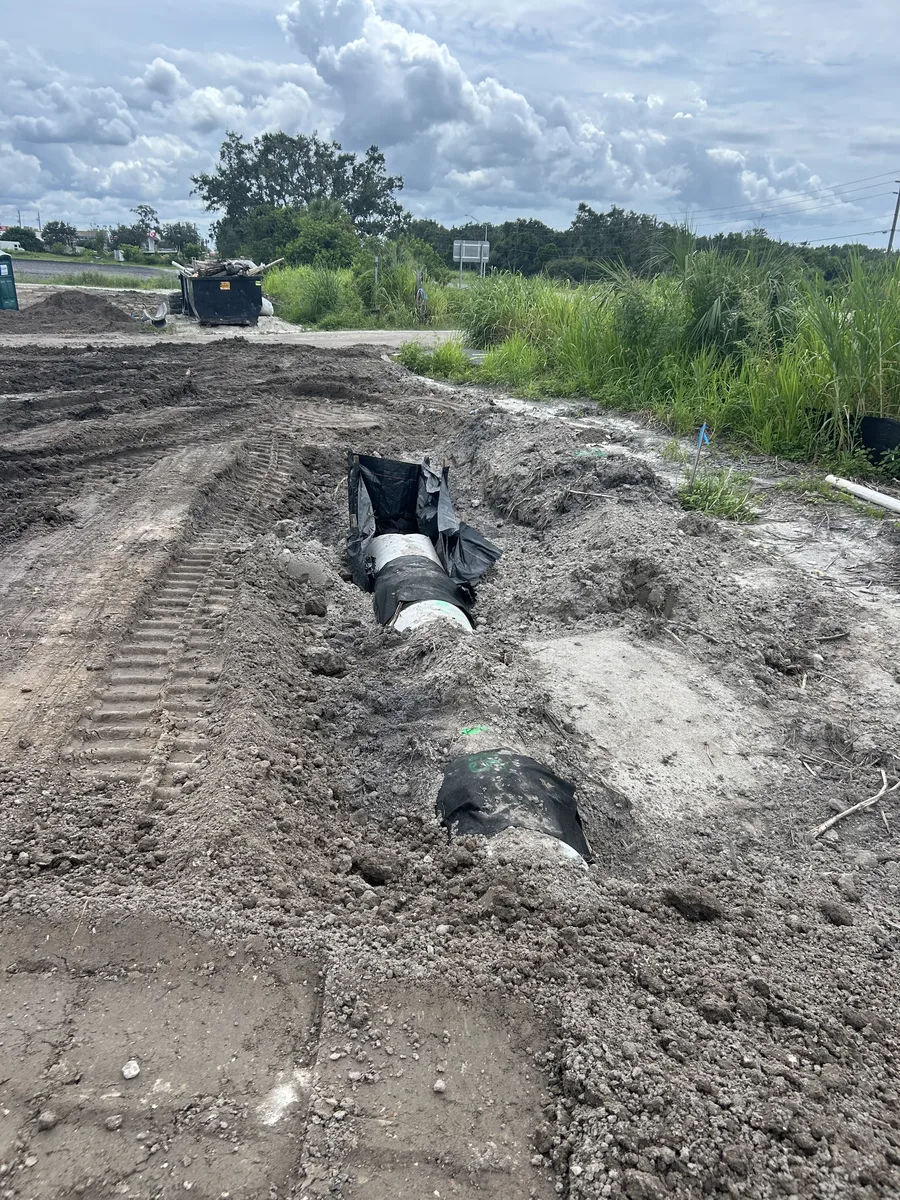
Excavation rarely happens in isolation. On a typical new-construction project in Sarasota, Bradenton, or fast-growing communities like Parrish, the sequence generally runs land clearing, then rough excavation and grading, then utility trenching, then foundation prep and a fine-grade pass. Understanding where excavation sits in that sequence helps with budgeting the whole project rather than one line item in isolation. Our guides to land clearing costs and site grading costs cover the phases on either side of excavation, and our foundation prep guide walks through what happens once the pad is excavated and graded.
What a Professional Excavation Quote Should Include
When comparing excavation quotes in Bradenton, Sarasota, and surrounding Southwest Florida communities, these are the details that should be documented clearly before you sign:
- •Itemized scope — footing, pad, basement, or pond excavation, hauling, and any rock or dewatering allowance broken out separately, not buried in a lump sum
- •A site visit before pricing — a fair excavation quote is based on your actual soil, access, and plans, not a phone estimate
- •Hauling and disposal terms — spelled out clearly, including where material goes
- •Utility locate confirmation — Florida law requires utility locates through the statewide Sunshine 811 system before any digging begins
- •License and insurance documentation — Florida requires contractor licensing for excavation work; confirm credentials before signing
Lethermon Grade Excavations handles excavation — from foundation and basement digging to pool and retention pond work — throughout Bradenton, Sarasota, Parrish, and the surrounding Southwest Florida area. We coordinate timing directly with builders and general contractors, and we tell you upfront if we expect to hit rock or water so it's never a mid-project surprise. Contact us for a free, on-site estimate.
Frequently Asked Questions
How much does excavation cost in Florida?
It depends heavily on scope. Small jobs like footing trenches or pad excavation often run $1,500–$8,000. A full foundation or basement dig for a typical single-family home commonly falls between $20,000 and $75,000+ depending on depth, soil, and hauling distance. These are market ranges, not bids — get a site-specific quote before budgeting.
What's the difference between excavation and site grading?
Excavation is digging and moving earth to create foundations, pads, basements, and ponds. Site grading is the shaping and leveling pass that establishes finished elevations and drainage slopes. Most new-construction projects need both, usually in that order.
Does a high water table make excavation more expensive?
It can. When a dig reaches groundwater, the site typically needs to be dewatered to stay stable and workable. The added cost depends on depth and groundwater volume, so ask your contractor whether they expect to hit water and how that's priced before work begins.
Is hauling included in an excavation quote?
Not always. Excess soil, rock, or debris removal is often billed separately from the digging itself. Confirm whether your quote includes hauling and disposal, and where the material is going, before comparing bids.
Written by
Kameron LethermonOwner of Lethermon Grade Excavations. Military background with 15+ years of excavation and construction experience in Southwest Florida. View full profile →