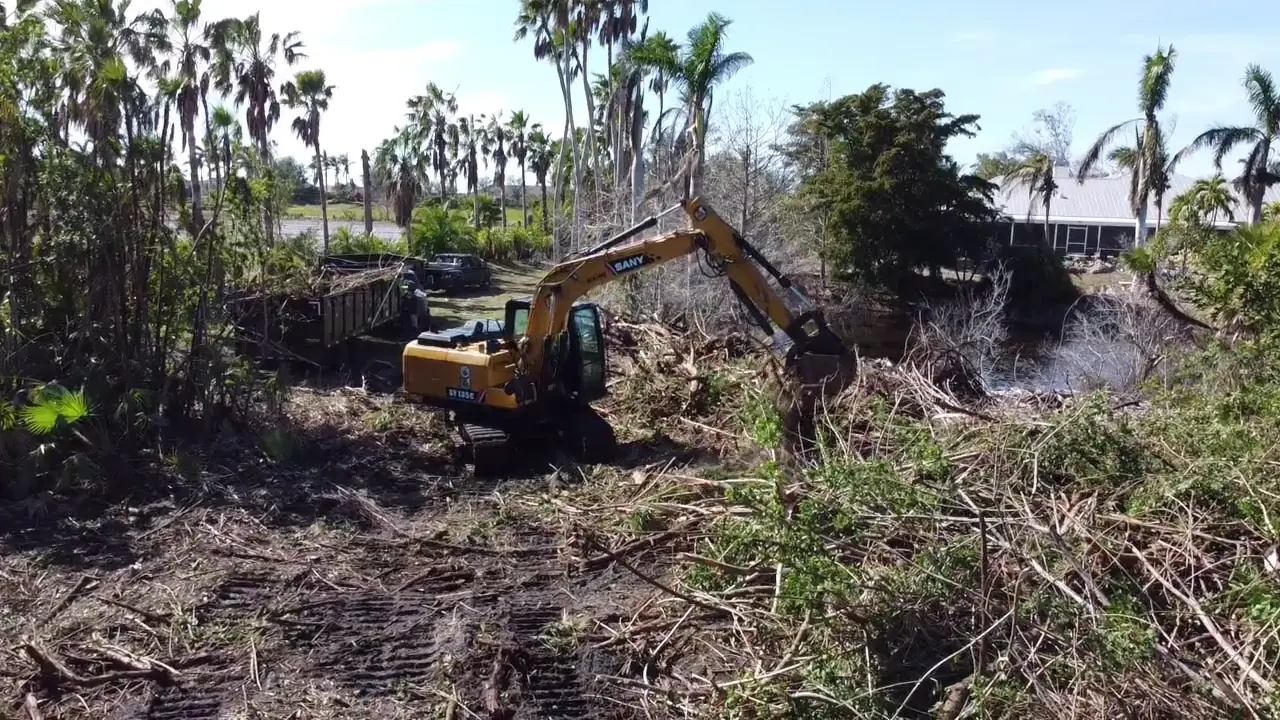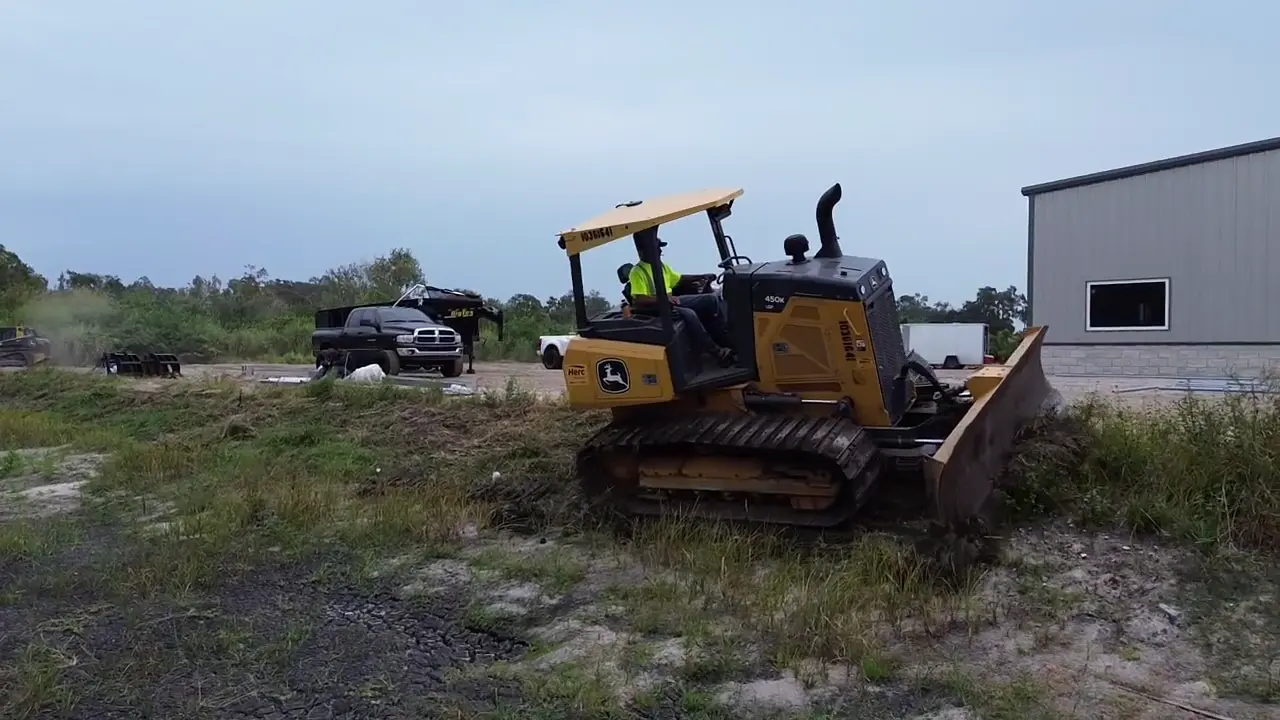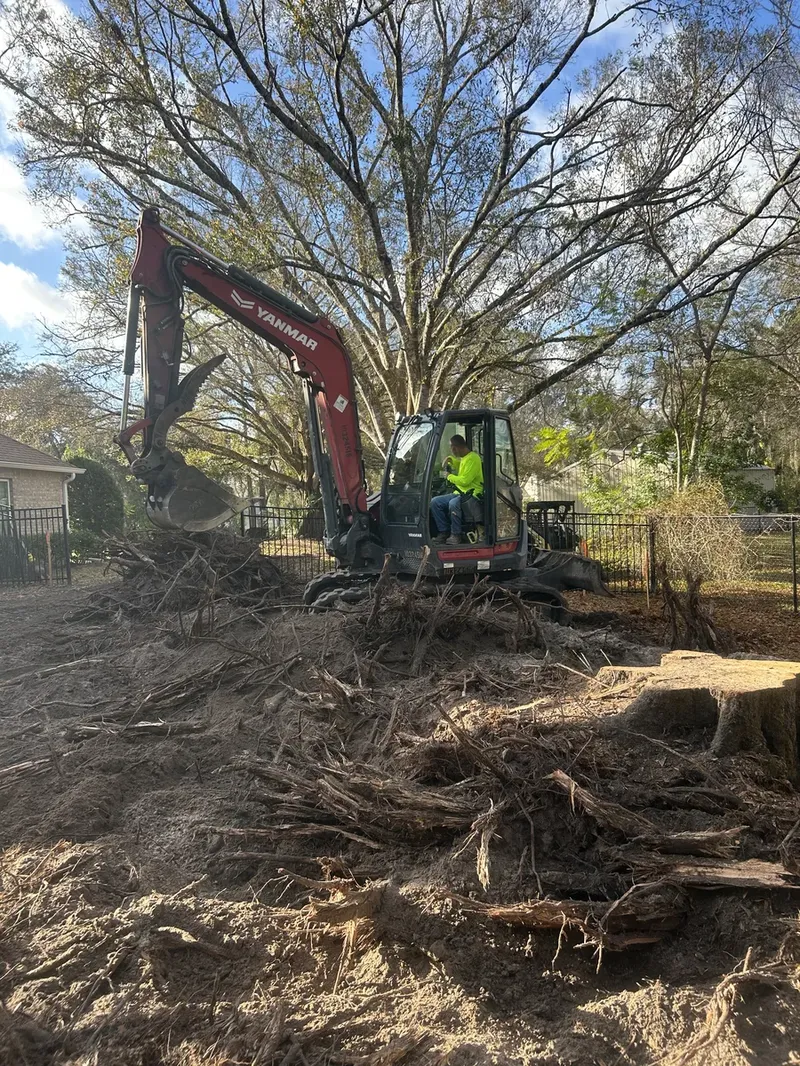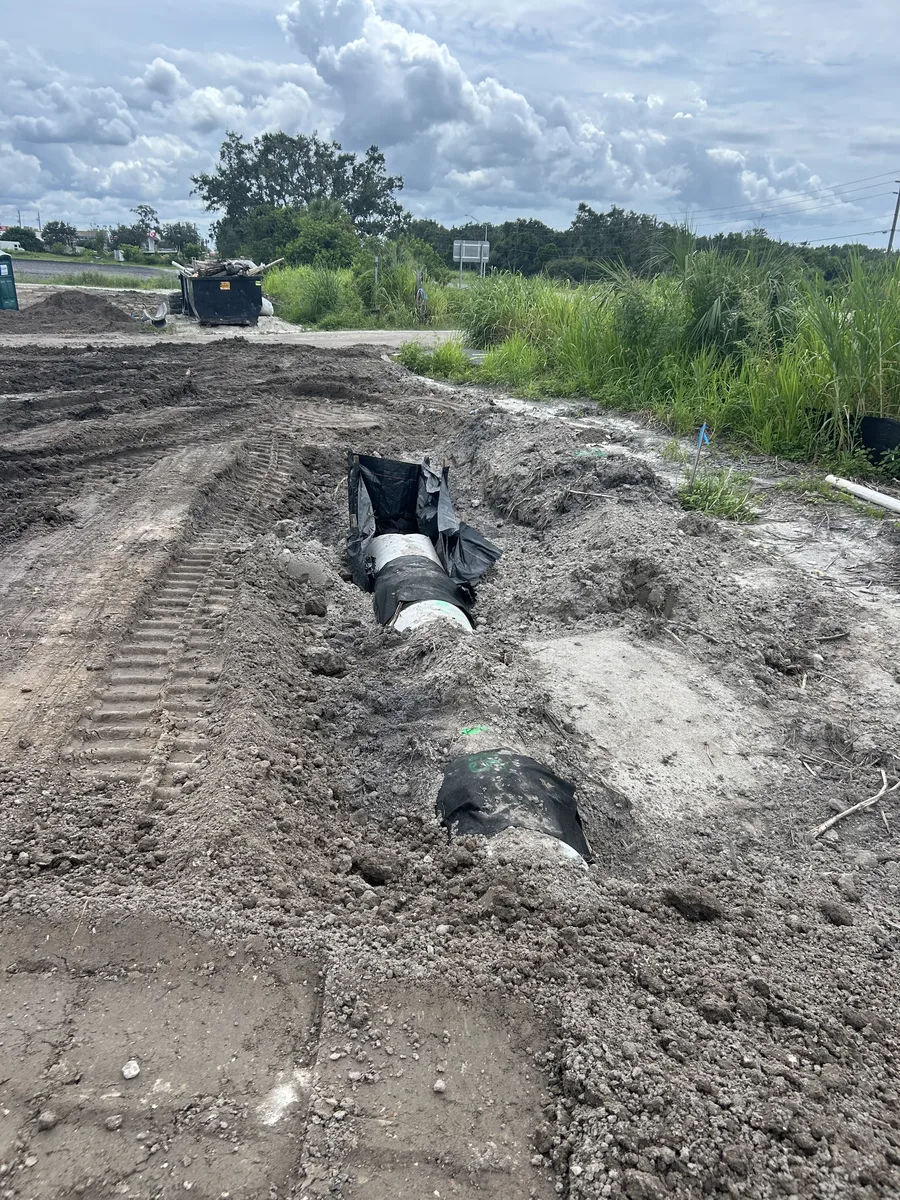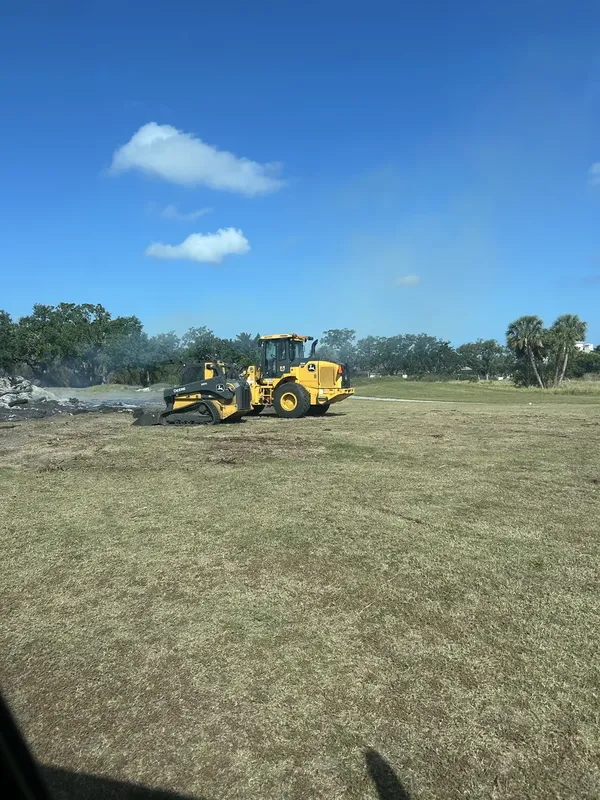
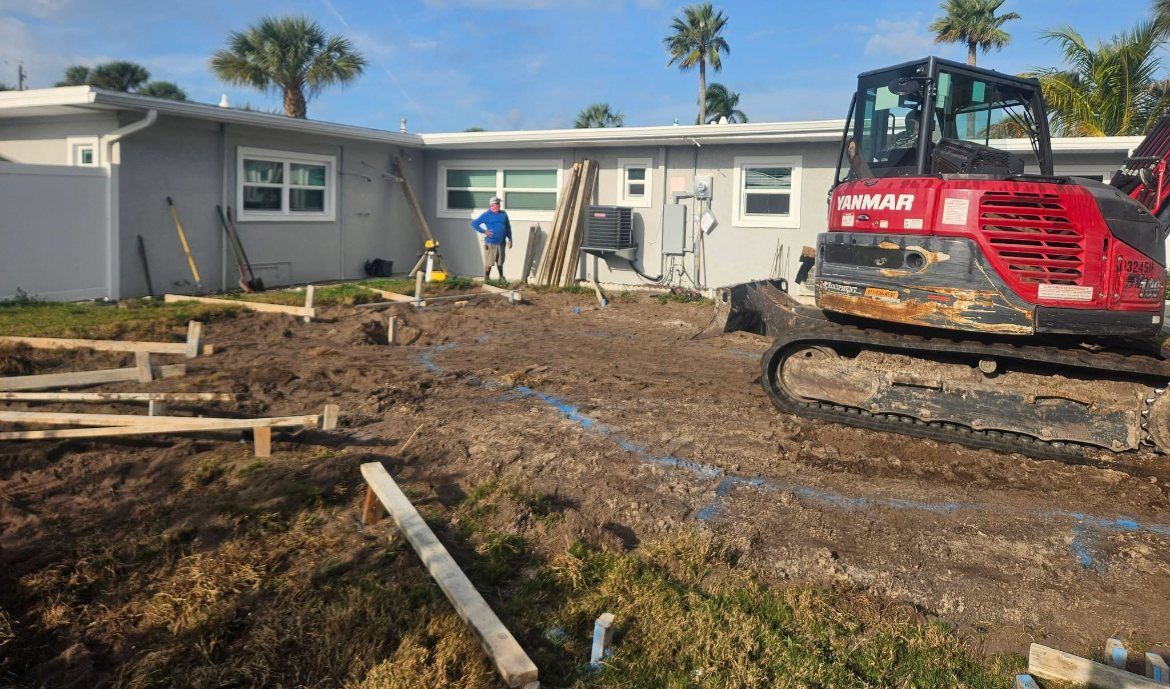
Excavation in Palmetto, FL starts almost every serious build in town right now — a downtown redevelopment, a build-to-rent community, a $563 million hospital campus a mile off I-75, and no shortage of individual lots along the Manatee River waiting on a foundation. Palmetto spent generations as a quiet agricultural town; it's now one of the fastest-changing corners of Manatee County, and the ground under a lot here doesn't always behave the way a flat, dry afternoon suggests. Here's what excavation in Palmetto actually involves, what the water table and the county will expect of you, and how the work fits into the rest of your site-prep sequence.
Palmetto Is Building Faster Than It Looks
The growth here isn't a rumor. BayCare's new Hospital Manatee campus, under construction about a mile north of the I-75/I-275 interchange, recently topped out at roughly 450,000 square feet and 154 beds. Mia Bella Palmetto is bringing 30 build-to-rent homes online, a Habitat for Humanity townhome community is breaking ground nearby, and the city's Community Redevelopment Agency has been moving downtown parcels toward a six-story, mixed-use project. None of that happens without dirt moving first — excavation for foundations, pads, retention areas, and utility runs is the step that has to clear before a crane shows up.
That pace also means a lot of property owners in Palmetto are excavating for the first time, on ground that was pasture, citrus, or quiet infill a decade ago. Knowing what to expect before the equipment shows up saves real money and avoids surprises later in the build.
What the Ground Actually Gives You Here
Palmetto sits on the north shore of the Manatee River, directly across from Bradenton, and that location shapes almost everything about how a dig behaves. Three things matter most.
- •Sandy soil close to a tidal river. It moves easily once you're into it, which is good for production, but it doesn't hold a vertical cut the way clay or rock does — trench and pad walls need to be sloped or shored appropriately, not just dug straight down and left.
- •A water table that sits close to the surface for much of the year. Anything dug more than a few feet down has a real chance of hitting groundwater, especially closer to the river.
- •Flood exposure from two directions at once. Palmetto carries a mix of FEMA flood zones — AE, VE, and X are all represented around the city — because it faces both storm surge off Tampa Bay and heavy rainfall runoff from inland. A site's flood zone affects finished floor elevations and how a project gets engineered, so it's worth confirming early, not after plans are drawn.
None of this makes excavation in Palmetto harder than anywhere else in Southwest Florida — the region shares these traits — but it does mean a contractor who hasn't dug here before is more likely to get surprised by water or a soft cut wall than one who has.
How the Work Actually Runs
A well-run excavation project moves through the same sequence whether it's a single-family foundation or a commercial pad:
Plan review. Survey, engineering specs, and any geotechnical report get reviewed against the actual site before equipment mobilizes.
Utility locates. Every dig starts with a call to Sunshine 811. On land near active development — much of Palmetto right now — buried utilities can be shallower or more recent than plans show.
Layout and staging. Dig limits get marked, equipment gets staged, and erosion control goes in before the first cut, not after.
Excavation to plan. Footings, pads, basements, or pond areas get cut to the depths and tolerances the engineering calls for — this is where soil type and water start to matter.
Dewatering, if needed. If the dig reaches groundwater, the site gets pumped down and kept workable for as long as the excavation stays open.
Haul-off and rough grade. Spoil either gets balanced on-site as fill or hauled off, and the site gets left graded to drain rather than just scraped flat, which sets up the next phase — usually site grading or foundation work — to start clean.
The Water Table Is the Line Item to Plan For
If one variable separates a smooth Palmetto excavation from an expensive surprise, it's groundwater. A footing trench that stays a few feet shallow may never see it. A basement, a deep foundation, or a retention pond excavation closer to the river is a different story. When a dig reaches water, the site has to be dewatered to stay stable enough to work in and to keep the surrounding soil from sloughing into the cut. How much that adds to a project depends on depth, how much water is moving through the soil, and how long the excavation has to stay open — none of which can be priced accurately without a site visit. Ask directly whether your contractor expects to hit water and how that's handled before you sign anything; it should never show up as a change order mid-project.
Permits and Floodplain Rules to Confirm First
Palmetto is an incorporated city inside Manatee County, so depending on exactly where a parcel sits, permitting can run through the City of Palmetto or through Manatee County's Development Services Department — confirm which applies to your address before assuming either way. Manatee County's land development code is explicit that clearing, excavating, or building on a parcel without proper authorization is prohibited, and most projects need some combination of a building permit, an erosion and sedimentation control plan, and — because of the flood zones common around Palmetto — a floodplain management permit. Larger sites, or anything touching a wetland or a stormwater feature, can also fall under the Southwest Florida Water Management District.
None of this is a reason to delay a project — it's a normal part of building in a growing coastal county — but it is a reason to confirm requirements with the relevant office before a shovel goes in the ground, rather than after. We handle that coordination on every job; a blog post is never a substitute for checking with your building department directly.
Timing Around Wet Season and Storm Season
Southwest Florida's rainy season runs roughly June through October, overlapping with the Atlantic hurricane season's peak, and Palmetto's low, flat, river-adjacent terrain feels that overlap more than higher ground does. An open excavation left exposed through a stretch of daily thunderstorms — or worse, a tropical system — can flood, slough, or sit idle for days waiting to dry out. Late fall through spring is generally the easier window for digging here: firmer ground, a lower water table, and less risk of a storm turning an open cut into a standing pond. Summer excavation is routine and gets done all the time, but it works best paired with a dewatering and staging plan from day one rather than added after the first heavy rain.
Lethermon Grade Excavations handles excavation in Palmetto — foundation and pad digging, retention areas, and utility-related earthwork — along with the site grading and drainage work that usually comes with it, throughout Palmetto, Bradenton, and the surrounding Manatee County area. We tell you upfront if we expect to hit rock or water, so it's never a mid-project surprise. Request a free estimate and we'll walk your lot with you before anything is priced.
Related reading: our Florida excavation cost guide breaks down what drives pricing region-wide, and our guide to land clearing in Parrish covers the phase that often comes right before excavation on a raw lot.
Frequently Asked Questions
Do I need a permit to excavate in Palmetto, FL?
In most cases, yes. Manatee County's land development code prohibits clearing or excavating a parcel without proper authorization, and Palmetto sites typically need some mix of a building permit, an erosion and sedimentation control plan, and a floodplain management permit given the flood zones common in the area. Depending on the parcel, permitting can run through the City of Palmetto or Manatee County — confirm which applies to your address before work begins.
How does the water table affect excavation in Palmetto?
Palmetto sits on the Manatee River with a water table that can be close to the surface, especially nearer the water. Digs that go more than a few feet down — basements, deep foundations, retention ponds — have a real chance of hitting groundwater and needing dewatering to stay workable. Depth and duration determine the added cost, and a site visit is the only reliable way to estimate it.
What flood zone is my Palmetto property in, and does it matter for excavation?
Palmetto includes a mix of FEMA flood zones, including AE, VE, and X, because the city faces both storm surge and inland rainfall runoff. Flood zone affects finished floor elevation requirements and can trigger floodplain management permitting, so it's worth confirming with the City of Palmetto or Manatee County before final plans are drawn, not after.
When is the best time to excavate in Palmetto?
Late fall through spring is generally easier — firmer ground, a lower water table, and less risk from the daily storms that build through Southwest Florida's June-through-October wet season, which overlaps with hurricane season's peak. Summer excavation happens routinely, but it works best with a dewatering and site-staging plan in place from the start.
Written by
Kameron LethermonOwner of Lethermon Grade Excavations. Military background with 15+ years of excavation and construction experience in Southwest Florida. View full profile →