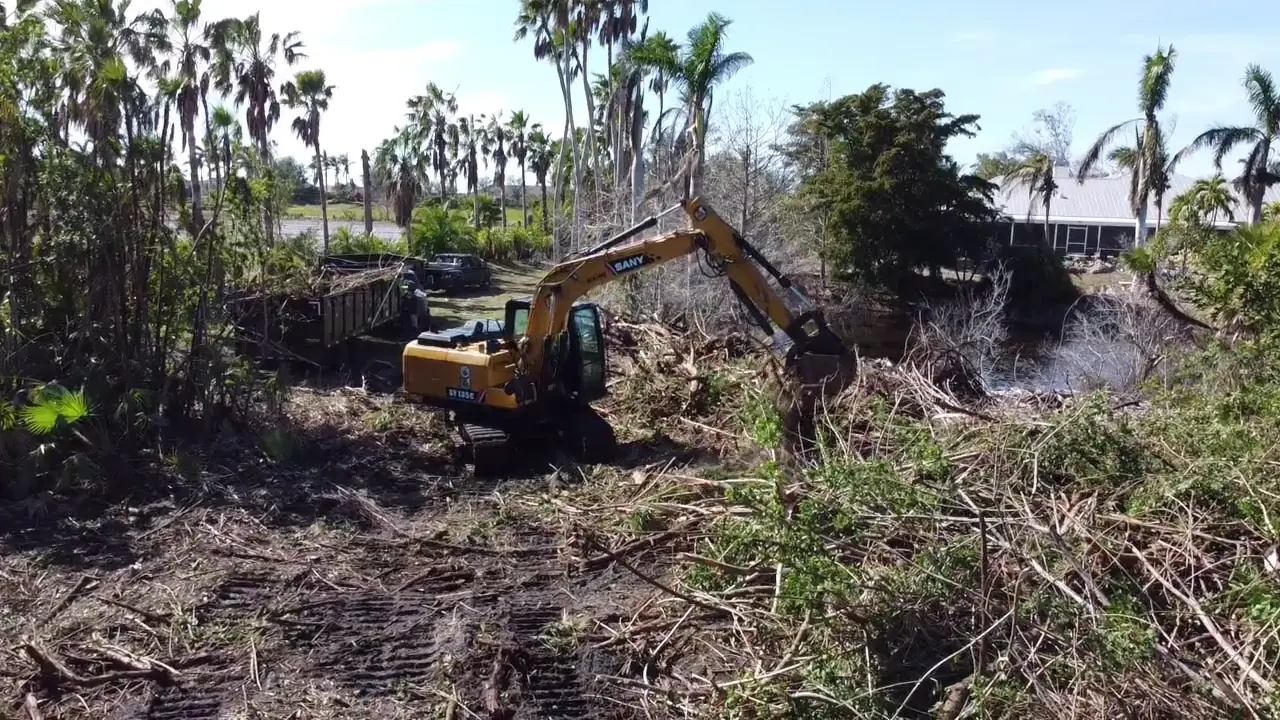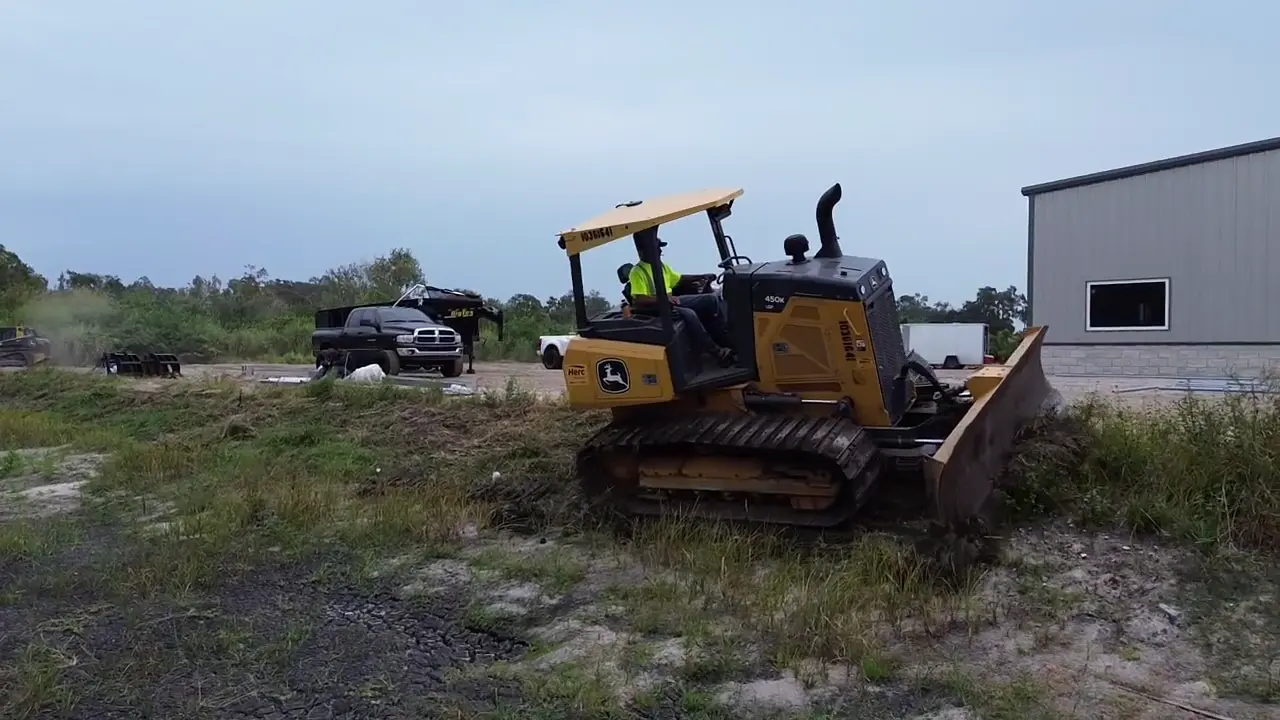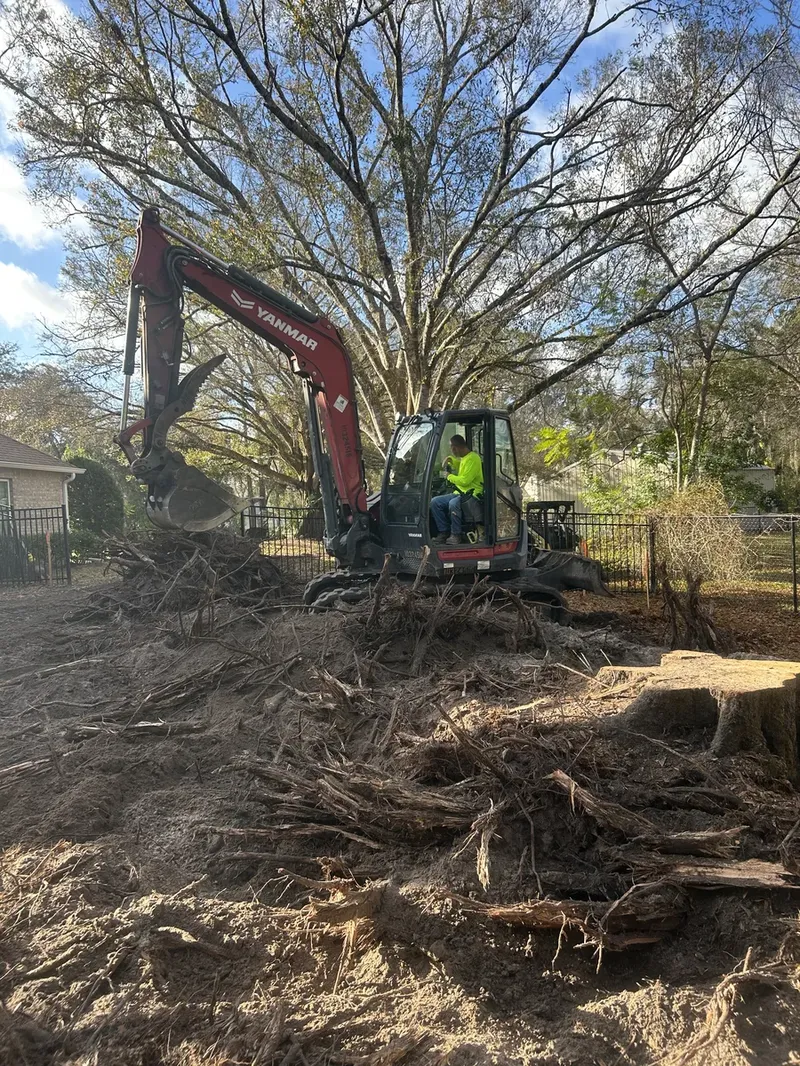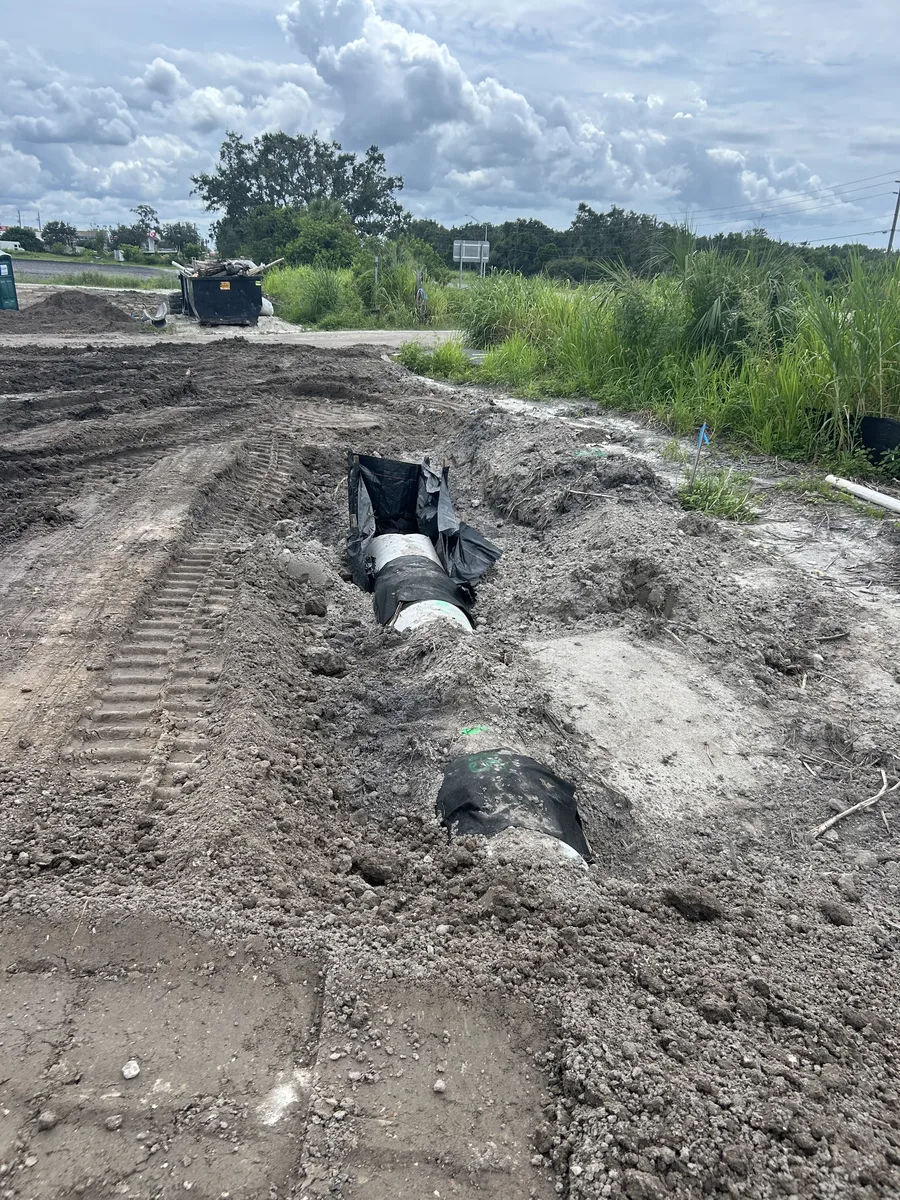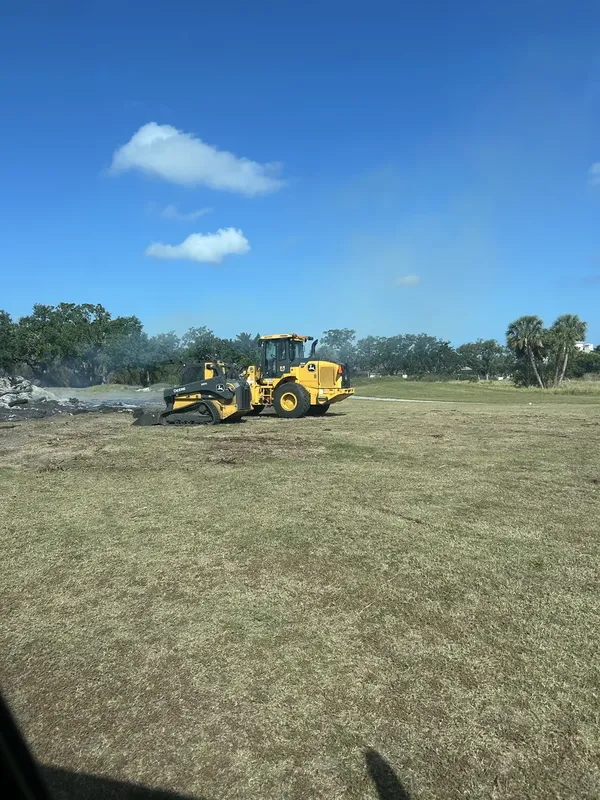
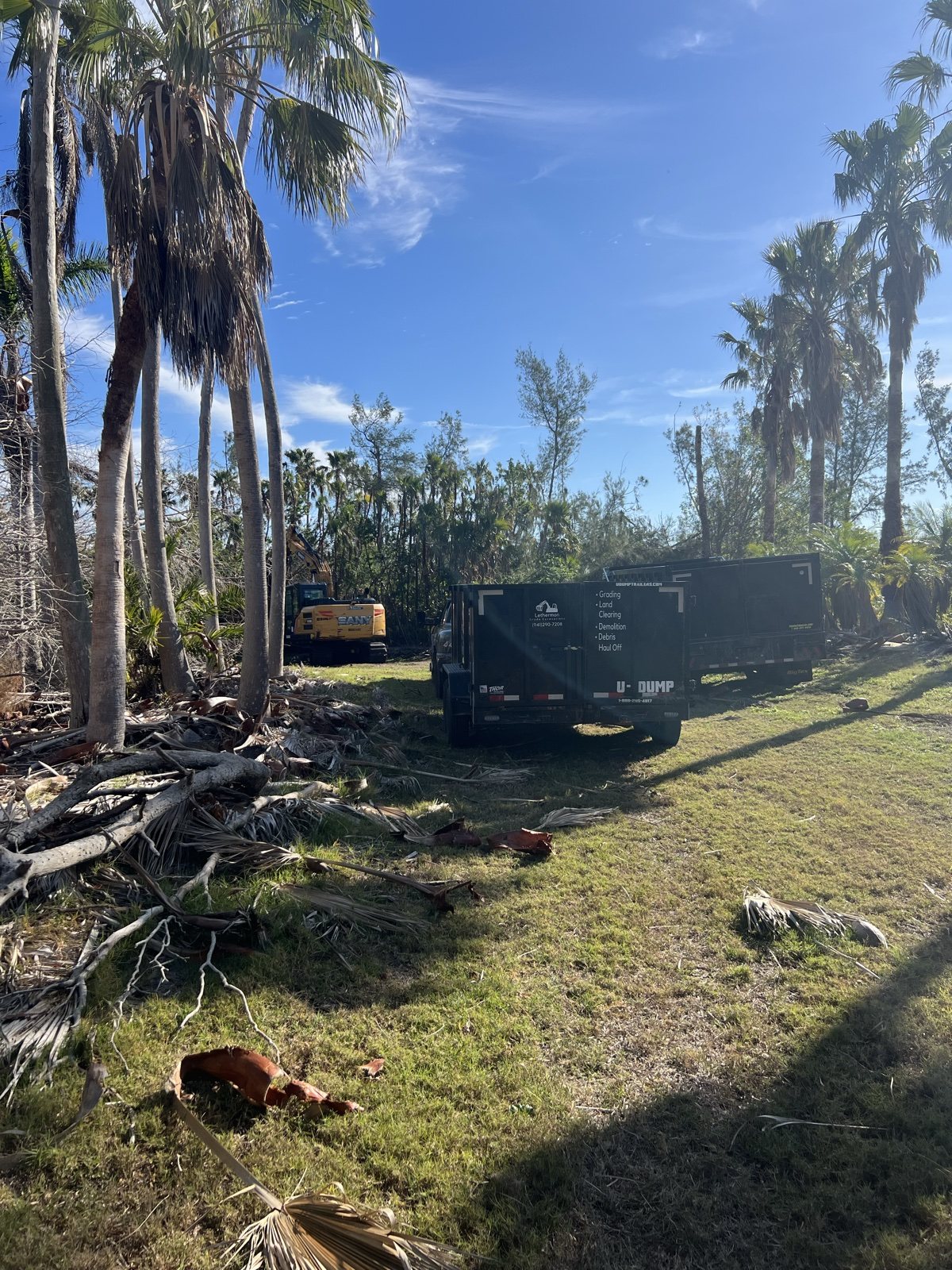
Gopher tortoise land clearing in Bradenton is one of those topics most lot owners never think about until a burrow shows up in the middle of the build pad. Gopher tortoises are a protected species in Florida, and they live in the same sandy, well-drained ground that builders like to clear. Knowing the basics before you schedule the machine can save you a stop-work situation, a fine, and a lot of frustration.
This is not legal advice, and the rules are set by the state, not by us. What follows is a plain-language walk through what the Florida Fish and Wildlife Conservation Commission (FWC) says, how it affects a clearing job, and how to build the check into your plan so it does not surprise you halfway through.
Why Gopher Tortoises Matter for Clearing a Bradenton Lot
According to FWC, the gopher tortoise is listed as Threatened in Florida, and both the tortoise and its burrow are protected under state law. That protection is the reason the species matters to anyone doing site work. You cannot simply run a machine over a burrow, and you cannot move the animal yourself.
According to FWC, gopher tortoises dig their burrows in dry, sandy ground, and sandy, well-drained ground is common around Bradenton and the rest of Manatee County. That overlap is why clearing crews can run into burrows on lots that look like plain palmetto and brush. Whether your particular parcel has any is something only a walk of the lot can answer.
What FWC Says You Have to Do
The FWC Gopher Tortoise Program is the authority here. As published by FWC, gopher tortoises must be relocated before land clearing or development takes place, and a permit must be obtained from FWC before burrows are disturbed. Disturbance is defined as any work within 25 feet of a burrow.
FWC also states that a permit is not required if every burrow is avoided by 25 feet in all directions during the work. In other words, you have two paths: leave the burrows completely alone, or go through the permit and relocation process before anything is disturbed.
The details of the process, including who is allowed to do the relocation, what survey is required, how long a permit takes, and what applies to a lot with only a few burrows, are FWC's to define and they update them. Do not rely on a blog post for those specifics, including this one. Check the FWC program page or call them before you commit to a schedule.
Signs a Burrow Is on Your Lot
You do not need to be a biologist to spot the obvious signs, but you do need to look before the machine arrives. Things to watch for while walking a lot:
- •A mound of sandy soil pushed out in front of a hole, often shaped like a fan or half-moon.
- •A wide, low opening that looks flatter than a typical animal hole, sometimes partly hidden by palmetto or grass.
- •Well-worn paths of bare sand leading between burrows and feeding areas.
If you see something that fits, mark it, keep equipment away from it, and confirm the next step with FWC. Collapsing a burrow, even by accident, is the fastest way to turn a routine clearing job into a problem.
What a Pre-Clearing Site Walk Should Cover
A burrow check is one item on a longer list. Before any equipment is unloaded, a good walk of a Bradenton lot covers the boundary and corner pins, the access route for trucks and machines, where debris will be staged, any low or wet areas, the trees you want to keep, and anything that looks like a burrow. Doing it in one pass, with the owner or builder present, means decisions get made on the ground instead of over the phone after the fact.
It also helps to walk more than once if the lot has been sitting. Grass and brush grow back fast in Southwest Florida, and a lot that looked bare in the dry season can hide a lot in September. If the last look was months ago, look again.
Common Mistakes Owners and Builders Make
The same few mistakes show up again and again on lots that hit a wildlife snag:
- •Setting the clearing date first. Dates get promised to lenders, builders and subs before anyone has looked at the ground. Then a burrow turns up and every date after it moves.
- •Assuming a previously cleared lot is clear of wildlife. A lot that was mowed years ago can still have burrows, and a burrow is protected whether or not anyone noticed it.
- •Handling it informally. Moving an animal or filling in a burrow to keep the job on schedule is exactly what the permit process exists to prevent. It is not a shortcut that saves time.
- •Leaving it to the crew to notice. An operator moving fast through brush is not the right safeguard. The check belongs in the plan, done by someone walking the ground on foot.
None of this is meant to make clearing sound harder than it is. Most lots move along without incident. The point is that a few minutes of looking at the start is cheap, and the alternative is not.
How This Fits Into the Clearing Sequence
On a properly run land clearing job, the wildlife check belongs at the very front, at the same time you are flagging trees, utilities and wetland lines. A sensible order looks like this:
Walk the lot first. Look for burrows, protected trees, wetlands and anything else that limits where equipment can go.
Sort out any wildlife requirement. Either the burrows are avoided, or the FWC permit and relocation process is handled before clearing begins.
Locate utilities. Call Sunshine 811 before digging.
Clear and grub. Fell the vegetation, pull the roots and stumps, and process the debris.
Rough grade for drainage. Shape the lot so it sheds water, since site grading right after clearing decides how the ground handles the next storm.
Doing step two out of order is where owners get hurt. A clearing crew that is already on site, with a machine running and a schedule to keep, is the wrong moment to discover a burrow.
Other Approvals Still Apply in Manatee County
A wildlife permit is only one piece. Tree removal rules, wetland protection, and other county and state requirements depend on the parcel, its zoning and where it sits. We walked through the county side of that in our Parrish land clearing guide, and the same principle applies in Bradenton: confirm with the county and the state before anyone clears, not after.
What It Means for Your Budget and Timeline
We are not going to guess at what a permit or a relocation costs, because that depends on the number of burrows and the process FWC has in place when you apply. What we can tell you is that the schedule risk comes from finding out late. If a wildlife requirement is built into the plan from the start, it is a line item. If it is discovered mid-job, it is a stoppage. Our Florida land clearing cost guide covers the other factors that move a price, and our guide to preparing a lot for construction shows where clearing sits in the full sequence.
Lethermon Grade Excavations clears and preps lots across Bradenton and Manatee County, from land clearing in Bradenton through grubbing, rough grading and debris haul-off. If you are not sure what is on your lot, request a free estimate and we will walk it with you before anything comes down.
Frequently Asked Questions
Do I need a permit to clear a lot with gopher tortoise burrows in Bradenton?
According to the Florida Fish and Wildlife Conservation Commission (FWC), a permit is needed before you disturb gopher tortoise burrows, and disturbance is generally treated as work within 25 feet of a burrow. A permit is not required if every burrow is avoided by 25 feet in all directions. Confirm the current rules and process directly with FWC before any clearing starts.
How do I know if my Bradenton lot has gopher tortoises?
You usually cannot tell from the street. Burrows are easy to miss under palmetto and brush, so the reliable answer comes from a walk of the lot before clearing starts. If you see a half-moon mound of sandy soil with a wide, low opening, treat it as a burrow and stop work near it until you have confirmed the next step with FWC.
Can a contractor just clear around the burrow?
Sometimes, if the burrow is truly avoided by the distance FWC specifies and stays undisturbed for the whole job. On a small residential lot that is often not practical, because the machine, the debris and the later grading all need room. If the build footprint is close to a burrow, plan on the relocation route rather than hoping to work around it.
How much will a gopher tortoise delay my project?
It depends on how many burrows are present and how quickly the FWC process moves, so we cannot give you a fixed number. What we can say is that finding out on day one is far cheaper than finding out after the machine is already on site. Build the check into your timeline before you set a clearing date.
Written by
Kameron LethermonOwner of Lethermon Grade Excavations. Military background with 15+ years of excavation and construction experience in Southwest Florida. View full profile →