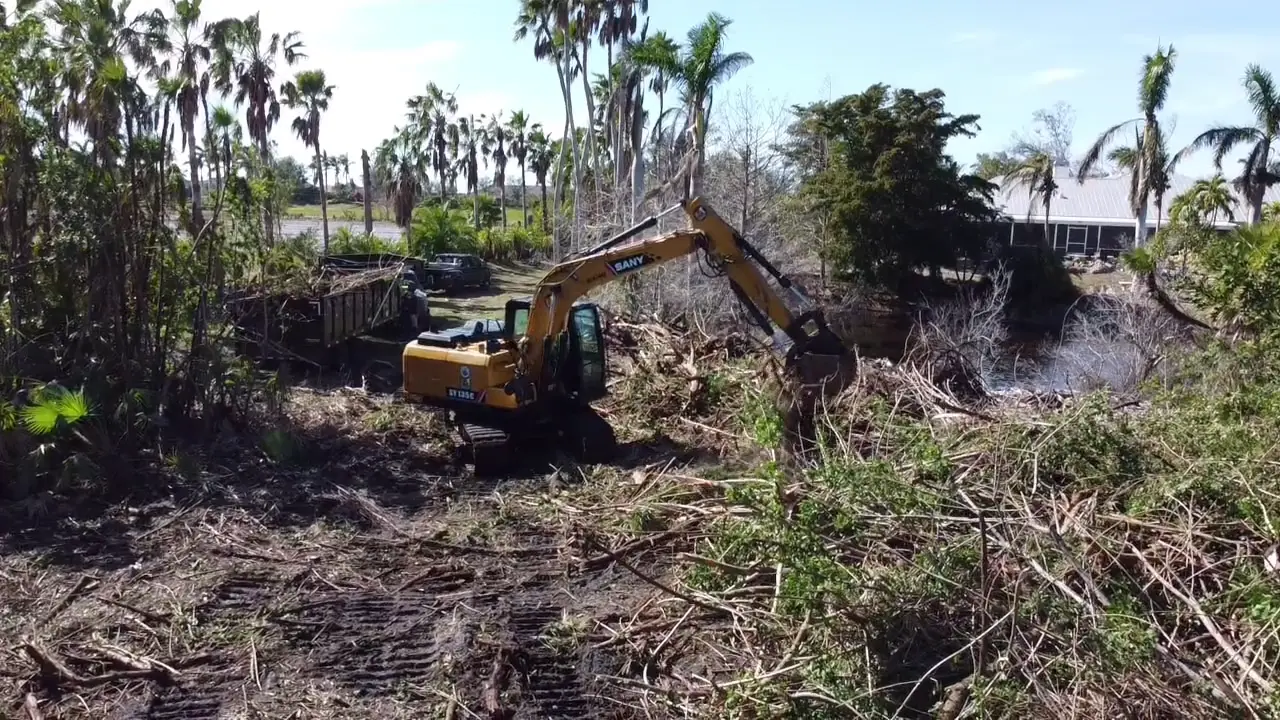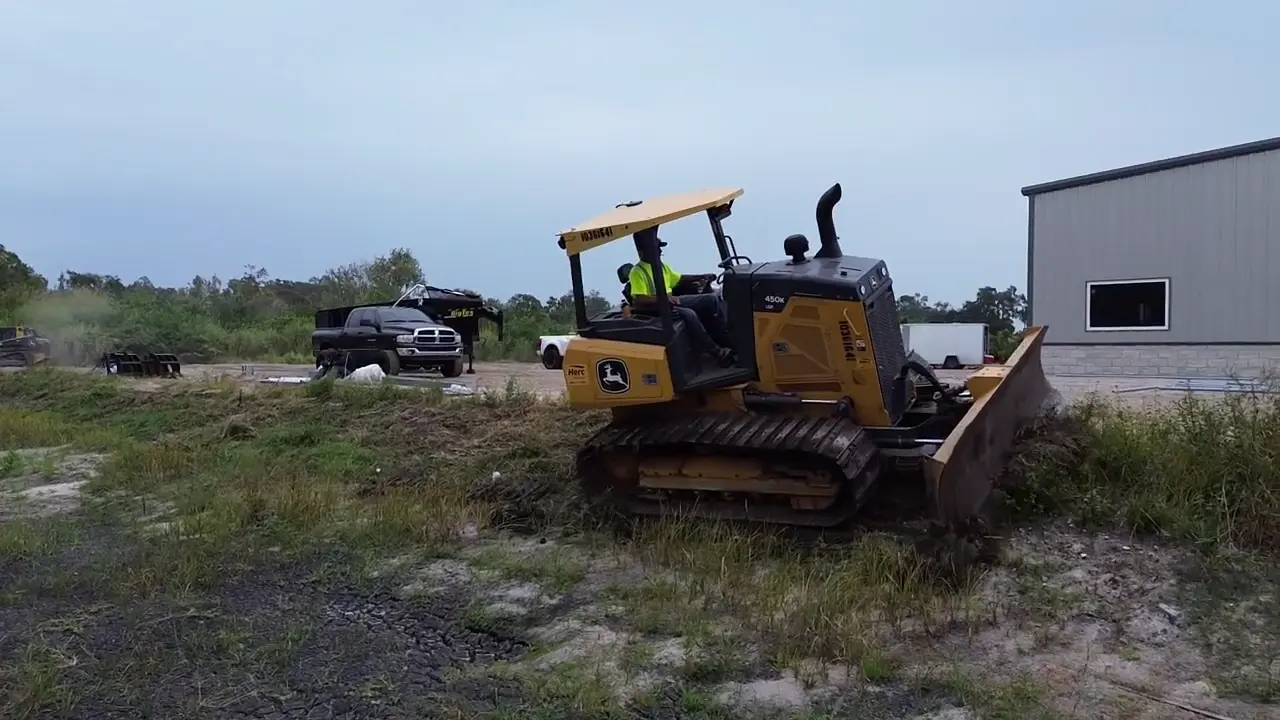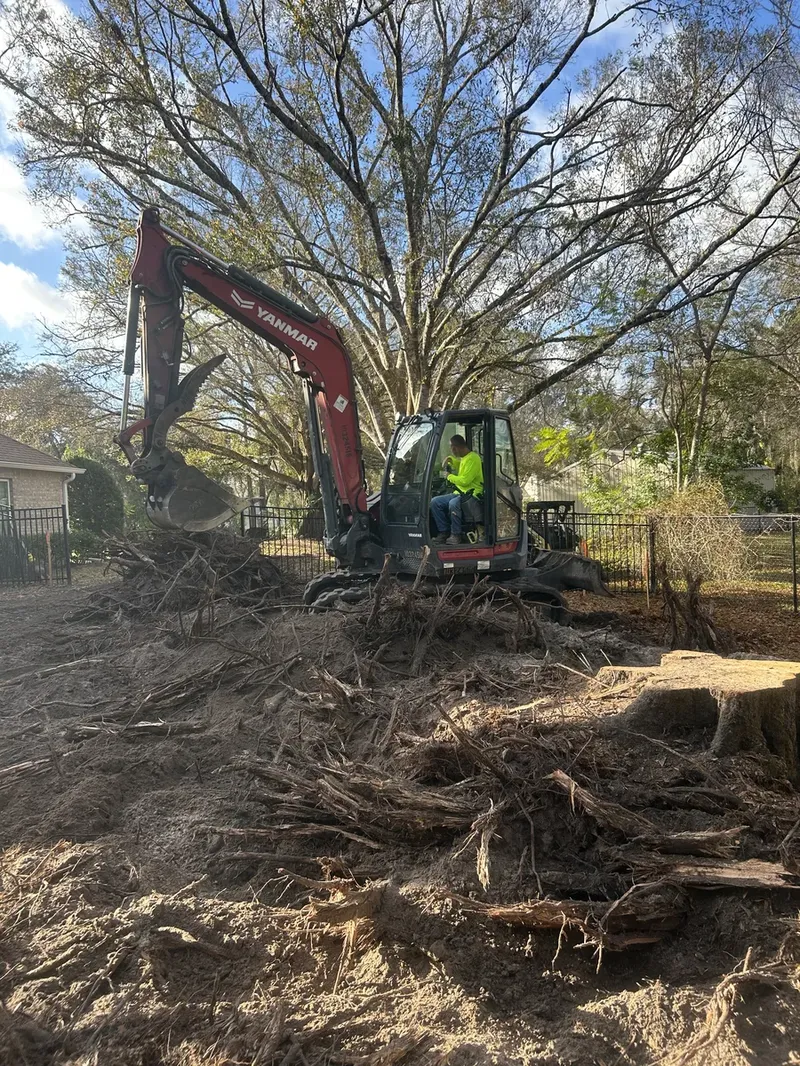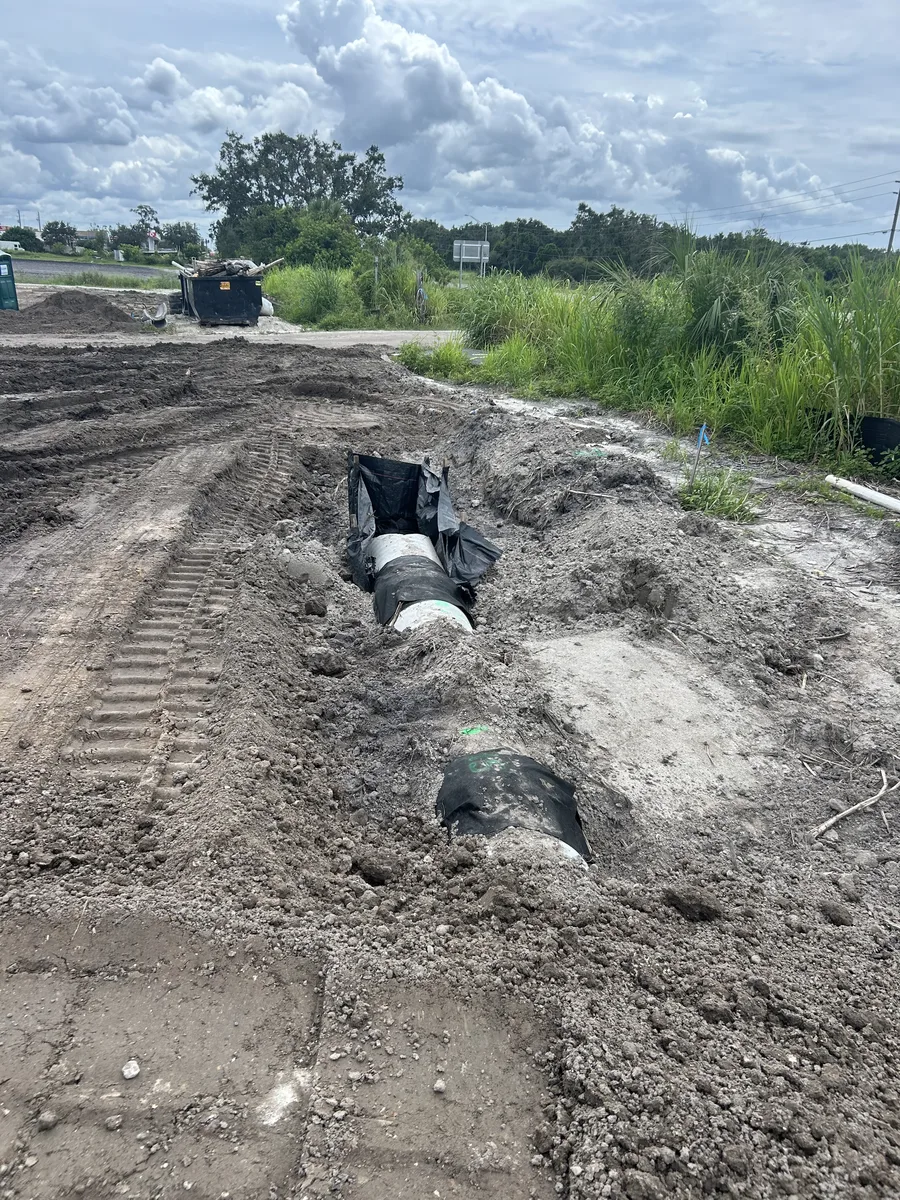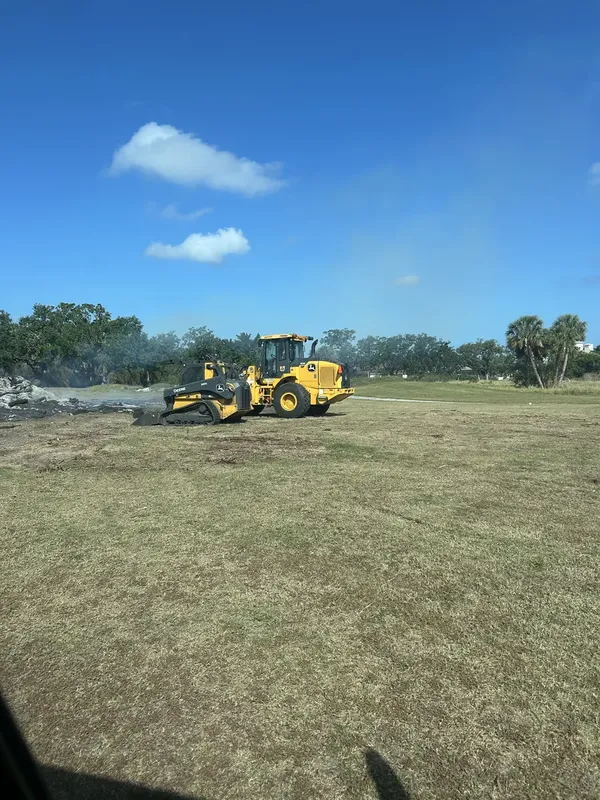
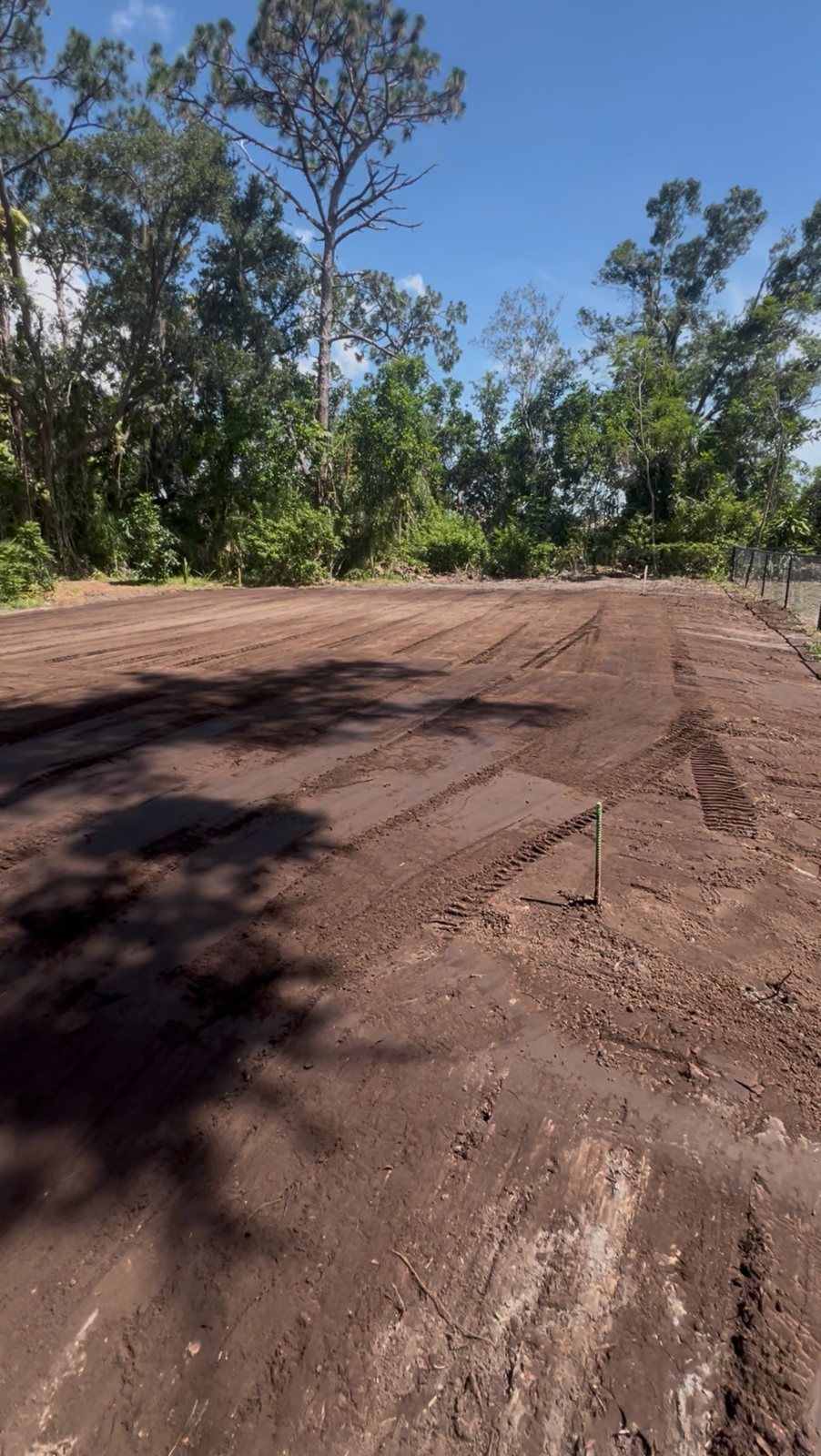
Dry season excavation in Florida is when many Southwest Florida builders get their best working window. After months of afternoon storms, the ground firms up, groundwater drops, and crews can open footings, pads, and trenches with far fewer surprises. If you own a lot or have a project planned for the new year, late fall is the time to get it on the schedule.
What the Dry Season Means for Dirt Work
In our guide to excavation in Florida's rainy season, we covered how summer storms saturate the ground, raise the water table, and fill open cuts. The dry season reverses most of that. Rain becomes less frequent, soils drain and dry out, and work that needed careful dewatering plans in August often goes in cleanly in January.
Exact dates and rainfall change every year, so treat the calendar as a rough guide, not a promise. The National Weather Service in Tampa Bay publishes current local outlooks. Also keep in mind that, per NOAA's National Hurricane Center, the Atlantic hurricane season officially runs through November 30, so early dry-season scheduling should still account for the tropics.
Why Dry Ground Changes the Job
Lower groundwater, fewer dewatering surprises
Much of Southwest Florida sits on a shallow water table. In the wet months, a footing trench or pool shell can hit groundwater a few feet down. When the water table drops, those same cuts are more likely to stay workable, which means less pumping, less delay, and a more predictable schedule. It does not guarantee a dry hole, and low-lying or waterfront lots can still hit water, so plan for it either way.
Firmer access and haul routes
Haul trucks, concrete trucks, and deliveries need a stable route to the site. Dry ground means fewer ruts, fewer stuck trucks, and fewer days lost waiting for access to firm up. Every trade behind the excavator benefits.
Better conditions for fill and compaction
Fill and base material need to be placed and compacted at a workable moisture level. Soaked material is slow to compact and may need to dry or be replaced. In dry weather, crews have more control over moisture, which supports a more stable building pad and foundation.
Cleaner final grades
Final site grading is easier to set, check, and hold when storms are not washing the surface away between passes. Crews can shoot elevations, confirm slopes, and finish the pad without redoing work after every downpour.
What Still Needs Planning in Dry Season
Dry season is the easier season, not the effortless one. A few things still deserve attention.
- •Winter fronts can still bring heavy rain. A single front can saturate an open site. Erosion and sediment controls go in before the first cut, and the site should be left graded to drain each day.
- •Dust and loose sand. Dry sandy soil moves in wind and traffic. Neighbors, adjacent roads, and nearby properties matter, and a disciplined crew keeps the site tidy.
- •Burn restrictions. Dry conditions raise fire risk. Do not assume you can burn cleared vegetation. Confirm what is allowed with the Florida Forest Service and your county, and expect most debris to be hauled off.
- •A crowded calendar. Builders, pool companies, and developers all want the same months. The earlier your site is ready, the better your odds of a firm start date.
Which Projects to Schedule First
Not every job benefits equally from dry weather. These tend to gain the most:
- •Lots that need land clearing before a build. Clearing first gives you time for surveys, permits, and design while the ground is workable.
- •Foundation and pad excavation, where a lower water table makes deep cuts simpler.
- •Pool digs, where groundwater is one of the biggest variables in the whole job.
- •Drainage work such as swales, culverts, and regrading. Getting these in before next summer means they are ready when the heavy rain returns, and you can watch how they perform.
- •Utility trenching ahead of foundations, driveways, and slabs.
Working Backward From Next Summer
A useful way to plan is to pick the date by which the site needs to be stable, graded, and drained, then work backward. Most owners and builders find the same order works, and our foundation prep guide walks through it in more detail:
Survey, plans, and permit applications first, because these often take longer than the dirt work.
Clearing and rough grading once approvals are in place.
Foundation, pool, and trenching work.
Final grading, drainage, and stabilization with sod, seed, or other cover before the rains return.
If a step slips, the last one is the first to be squeezed. Leaving a fresh grade bare going into the wet season invites washouts. Building in margin early protects the finish.
Dry Season Work in Sarasota and Bradenton
Coastal and low-lying properties in Sarasota and Bradenton tend to have the shallowest water tables, and waterfront lots also bring seawall, elevation, and flood-zone questions. Inland and higher lots are often simpler. Either way, soil, access, and elevation vary lot by lot, so what happens on the neighbor's site is a hint, not a forecast.
If you are budgeting, our excavation cost guide explains what drives the price. Season is one factor among depth, soil, haul distance, and access, which is why we walk the site before putting a number on it.
Permits and Rules: Confirm Locally
Requirements for land clearing, tree removal, grading, erosion control, and stormwater differ by county, city, and project size. Larger sites and anything near wetlands or stormwater features may involve the Southwest Florida Water Management District. We will not quote rules here that may not match your address. Confirm what applies with your county or city building department and the water management district before work starts, and ask your contractor who is handling each permit.
Questions to Ask Before You Book
- •Do you expect groundwater on this site, even in dry weather?
- •How will the site be controlled for erosion and dust?
- •What is the plan to have the lot graded and stabilized before the wet season returns?
- •What is the realistic start date, and what could move it?
Get Your Dry Season Dig on the Calendar
Lethermon Grade Excavations handles clearing, excavation, grading, and drainage across Sarasota and Bradenton. Kameron Lethermon directs the crews, and we will tell you plainly what the site calls for and when it can be done. If you are planning work for this dry season, request a free estimate and we will walk the site with you.
Frequently Asked Questions
When is the dry season for excavation in Southwest Florida?
The dry season generally runs from late fall into spring, after the summer rainy season winds down. Exact start and end dates change from year to year, so check current outlooks from the National Weather Service in Tampa Bay and plan around your site rather than a fixed date.
Is excavation cheaper in the dry season?
Not automatically. Dry ground can reduce dewatering and weather delays, but dry season is also the busiest time for builders, so scheduling can be tighter. Price depends on depth, soil, access, and scope, which is why a site walk-through is the only reliable way to get a number.
Do I still need erosion control during the dry season?
Yes. Winter cold fronts can bring heavy rain, and loose sandy soil moves easily in wind and runoff. Requirements vary by county and project size, so confirm with your local building department and the water management district.
How far ahead should I book dry season site work?
As early as you can. Permits, utility locates, and builder schedules all compete for the same months. Contact us once you have a survey or plans and we will tell you what is realistic for your lot.
Written by
Kameron LethermonOwner of Lethermon Grade Excavations. Military background with 15+ years of excavation and construction experience in Southwest Florida. View full profile →