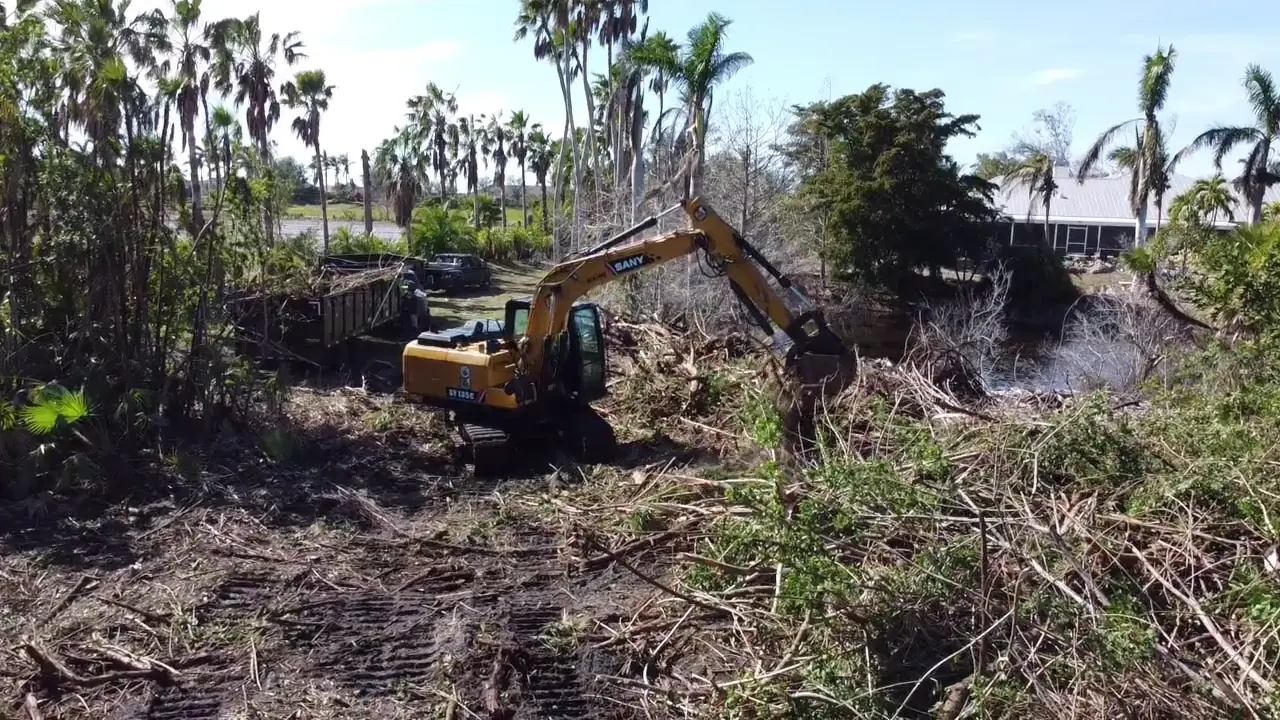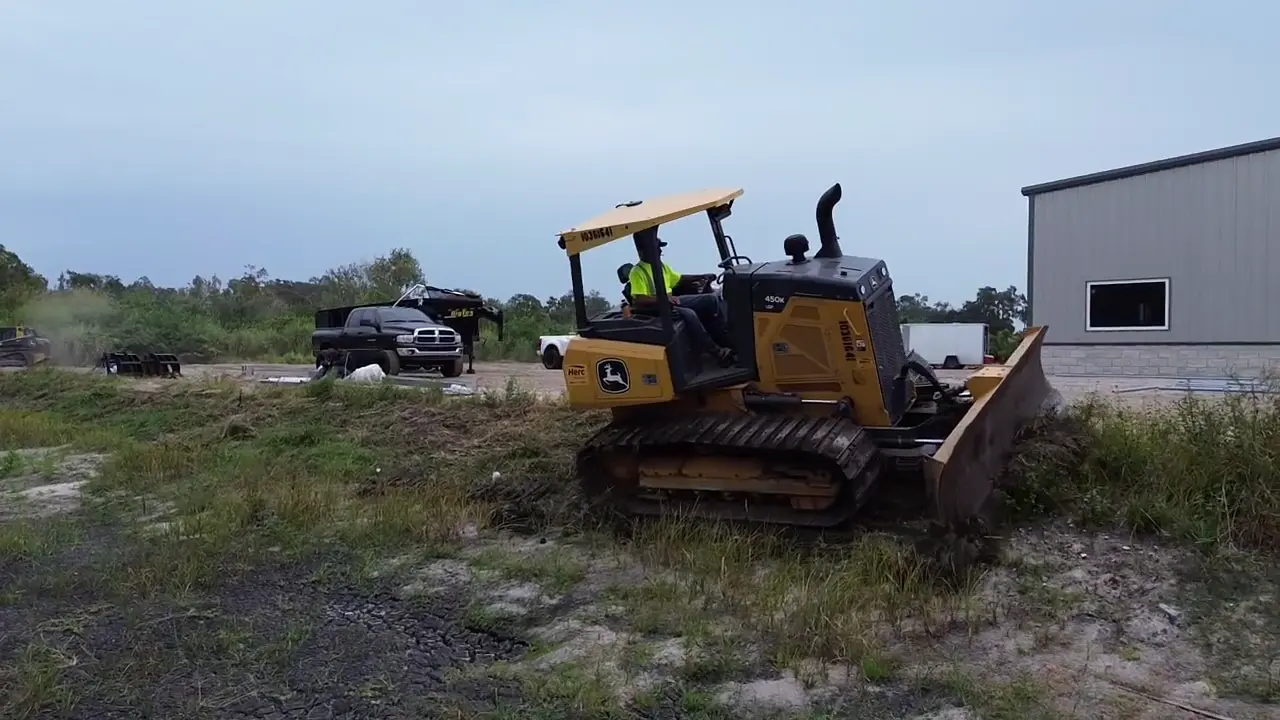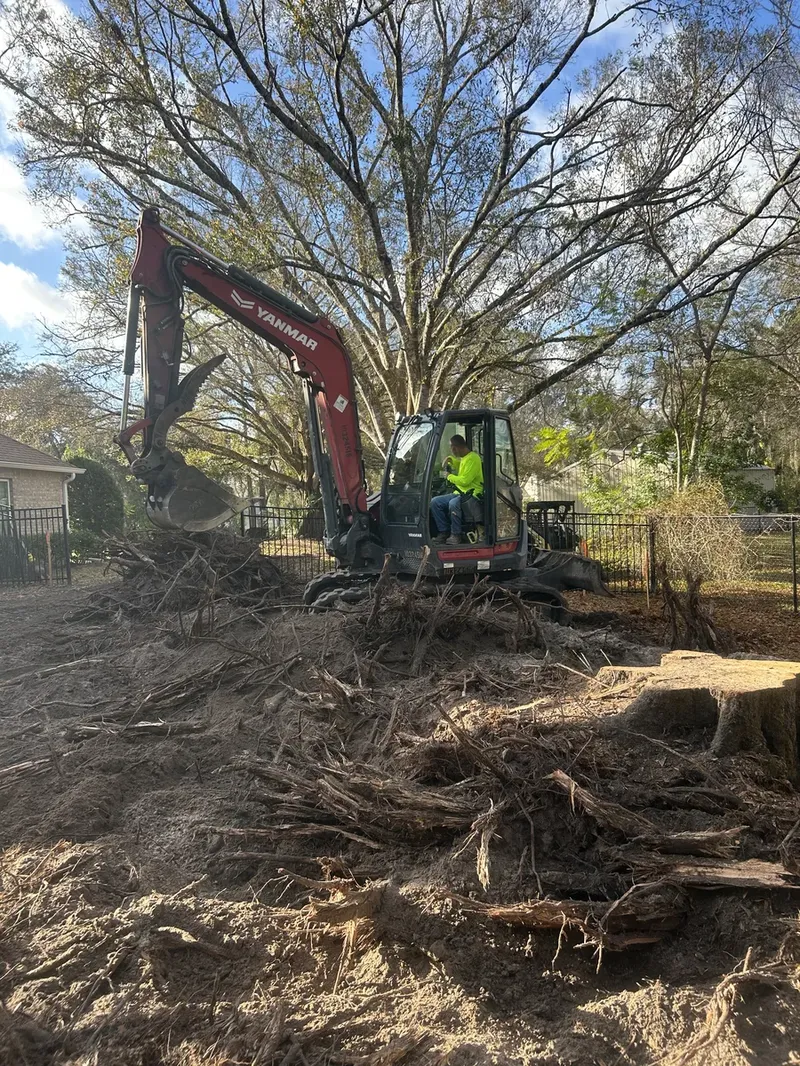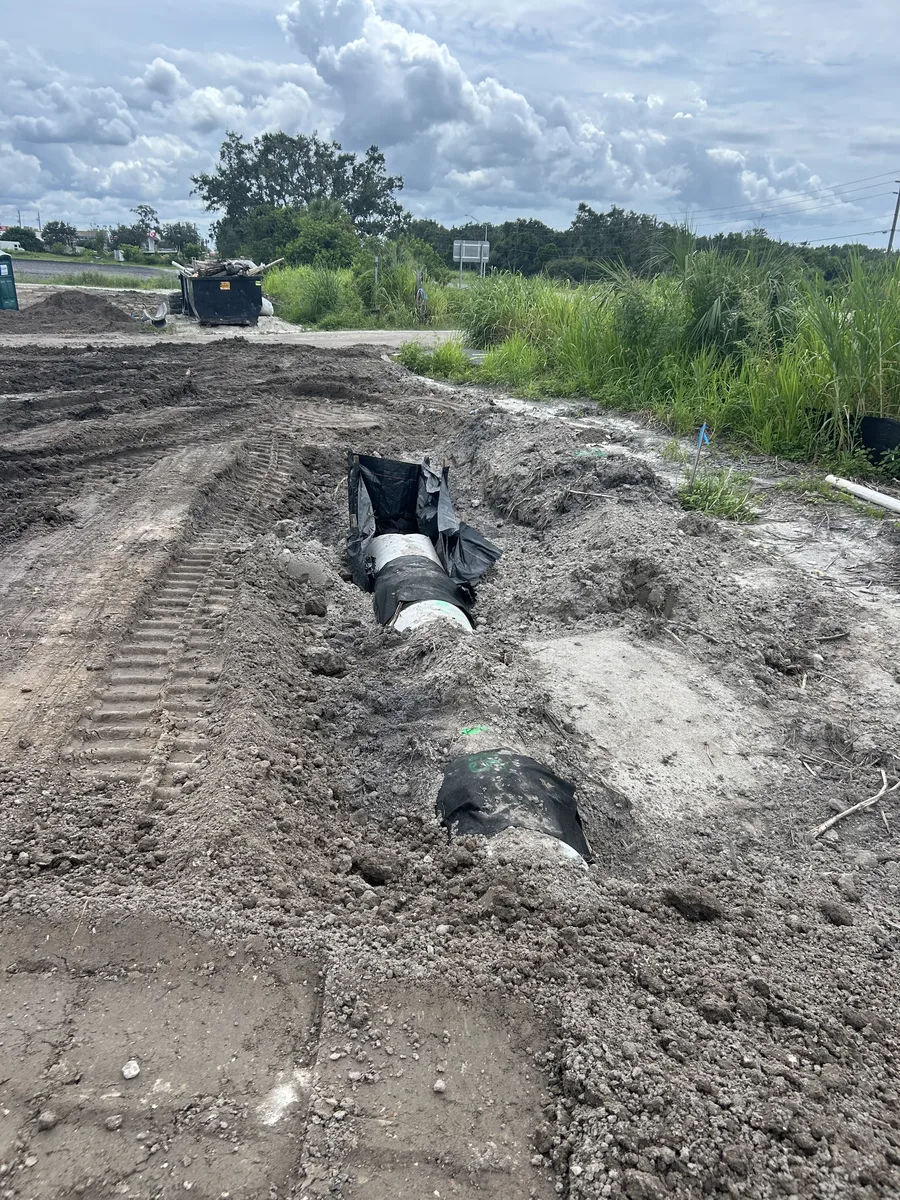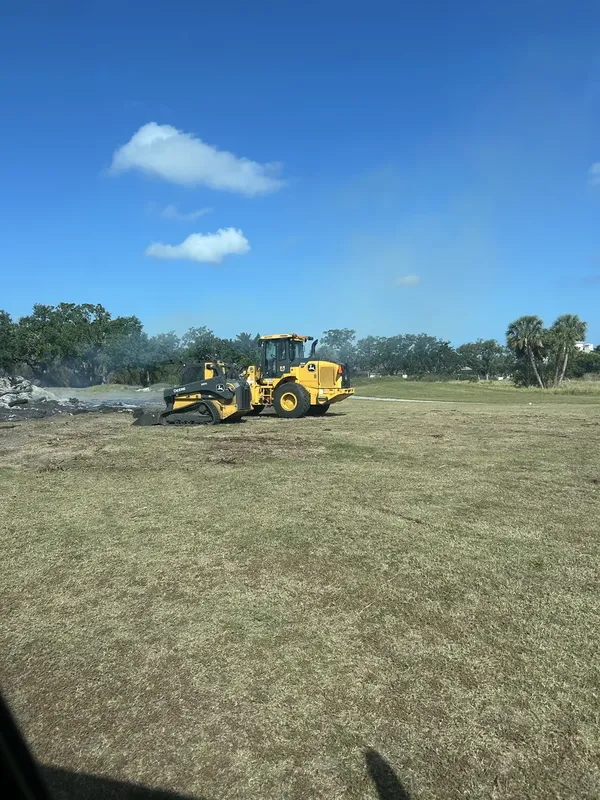
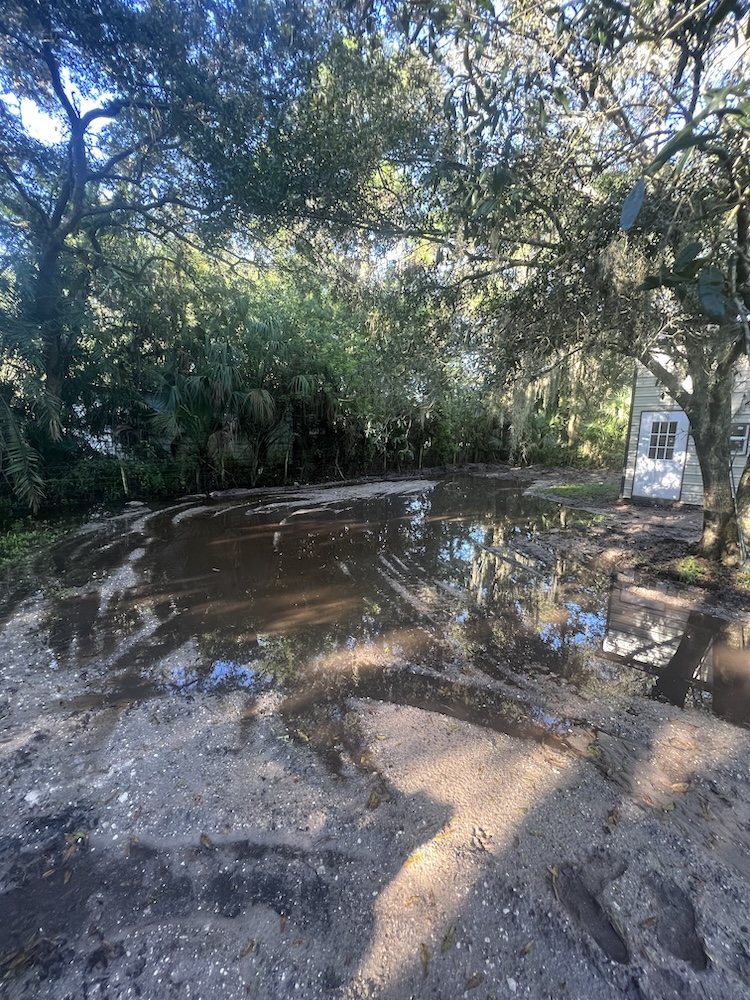
Excavation in Florida's rainy season is routine work, not a reason to park the equipment for five months. Crews across Southwest Florida dig foundations, pools, ponds, and trenches all summer long. What changes is the planning: how water is managed, how the work is sequenced, and how much ground is left open at one time. This guide covers how the wet season affects excavation, what a disciplined contractor does about it, and the cases where waiting really is the better call.
Excavation in Florida's Rainy Season: What Actually Changes
According to the National Weather Service in Tampa Bay, the rainy season in our area runs from May 15 through October 15, and that stretch delivers about 75 percent of the year's rainfall. Most of it falls as brief afternoon thunderstorms rather than all-day soakers. The NWS also notes that the start and end of the season are transition periods, not single dates, and that early fall can bring extra variability from tropical systems and early cold fronts.
For a job site, that pattern matters in a few specific ways. A dry morning can turn into a flooded cut by three o'clock. Ground that was firm in April is saturated by July. And the water table, which already sits close to the surface across much of our region, climbs even higher. None of that stops work, but all of it should be priced and planned before the first bucket goes in the ground.
How Rain Changes the Dig
- •A higher water table. Cuts that stay dry in the spring can hit groundwater in the summer. Foundation footings, pool shells, and pond excavations are the most exposed.
- •Sloughing walls. Our sandy soils drain fast but do not hold a vertical face when saturated. Walls need to be sloped, benched, or supported appropriately, and checked again after heavy rain.
- •Open cuts that fill. A trench or pad left open overnight is a collection basin. Pumping it out costs time, and the water often carries sediment that has to be kept on the site.
- •Soft access routes. Haul trucks, concrete trucks, and delivery vehicles can rut or bog down on wet ground, which slows every trade behind the excavator.
- •Moisture-sensitive fill. Backfill and base material need to be placed and compacted at workable moisture. Soaked fill is slow to compact properly and may need to dry or be replaced.
What a Wet-Season Plan Looks Like
The crews who do this well are not lucky with the weather. They run the same checklist every time:
Erosion and sediment control first. Silt fence, inlet protection, and stabilized entrances go in before the first cut, not after the first storm.
Know where the water will go. Before digging, decide where runoff and pumped water will discharge. Sending water onto a neighbor's lot or into a road is a problem, and so is leaving it with no outlet.
Work in small sections. Open only what can be dug, inspected, and closed out in a short window. A smaller open area means a smaller risk.
Keep pumps on site. If the dig may reach groundwater, dewatering equipment is mobilized with the excavator, not called in after the hole is already full.
Watch the forecast, and set stop rules. Lightning, flooding, and an approaching tropical system are reasons to pause and secure the site. They are not reasons to push through.
Close out every day graded to drain. Leave the site shedding water toward the intended outlet, not pooling against a foundation or a neighbor. This is where site grading and excavation overlap.
Work That Runs Fine in Summer, and Work That Should Wait
Plenty of work goes ahead through the wet season without drama. Land clearing, shallow utility trenching, and rough excavation on higher, well-drained lots are common summer jobs. These tasks tolerate interruptions, and an afternoon storm usually costs hours, not weeks.
Other work is more sensitive. Deep foundation cuts, pool excavations, and pond or retention work near a high water table all call for a firm dewatering plan. Final grading and finish work are also easier when the ground can dry. A fresh grade can wash out if sod, seed, or stabilization lags behind a run of heavy storms. If your project has flexibility, scheduling the most water-sensitive steps for late fall through spring is generally the lower-risk path. If it does not, the plan above gets you through.
Weather also feeds into price. Dewatering, extra erosion control, and lost days all add cost, which is covered in our Florida excavation cost guide. Because those factors depend on your depth, soil, and site, a walk-through is the only reliable way to put a number on them.
Hurricane Season Overlaps the Wet Season
The Atlantic hurricane season runs June 1 through November 30, so it covers most of the rainy season and extends past it. An open excavation is the last thing you want in the path of a named storm. When one is forecast, the sensible steps are to close out or backfill open cuts where possible, secure stockpiles and loose material, and confirm that drainage paths and outlets are clear. Our guide to hurricane season drainage prep covers the yard-level version of this, and our stormwater management builder's guide covers the larger-site picture.
Permits and Rules: Confirm Locally
Requirements for erosion control, dewatering discharge, and stormwater vary by county, by city, and by project size. Larger sites and anything near wetlands or stormwater features may also involve the Southwest Florida Water Management District. We are not going to quote rules here that may differ at your address. Confirm what applies with your county or city building department and the water management district before work starts, and ask your contractor how they handle discharge of pumped water on your specific site.
Questions to Ask Your Contractor Before a Summer Dig
- •Do you expect to hit groundwater on this site, and what is the plan if we do?
- •Where will runoff and pumped water be directed?
- •How much of the site will be open at once, and how is it closed out each day?
- •What happens to the schedule and the price if storms cost us days?
A contractor who answers those plainly has worked in this climate before. One who says the weather will not matter has not.
Plan Your Dig With Lethermon
Lethermon Grade Excavations provides excavation in Sarasota and across Sarasota and Bradenton, with the drainage and grading work that keeps a site dry once the dig is done. Kameron Lethermon directs the crews, and we tell you up front when we expect water, soft ground, or weather to affect your schedule. Request a free estimate and we will walk the site with you before anything is priced.
Frequently Asked Questions
Can you excavate during Florida's rainy season?
Yes. Excavation continues through the summer across Southwest Florida. The difference is planning: erosion control, pumps and dewatering on standby, smaller open sections, and daily close-out so the site sheds water overnight. Heavy rain or an approaching tropical system can still pause work.
Does rain make excavation more expensive?
It can. Dewatering, extra erosion control, weather delays, and re-grading after a washout all add time and equipment. How much depends on depth, soil, and how long the excavation stays open, so it has to be priced from a site visit rather than a rule of thumb.
What happens if my excavation fills with water?
The water has to be pumped out and the walls inspected before work resumes, because saturated sandy soil can slough into the cut. If a storm is coming, a good crew limits how much is left open and grades the site so water has somewhere to go.
When is the best time of year to excavate in Southwest Florida?
Late fall through spring is generally easier, with firmer ground and a lower water table. According to the National Weather Service in Tampa Bay, the rainy season runs May 15 through October 15. Summer work is routine, but it needs a wet-weather plan from day one.
Written by
Kameron LethermonOwner of Lethermon Grade Excavations. Military background with 15+ years of excavation and construction experience in Southwest Florida. View full profile →