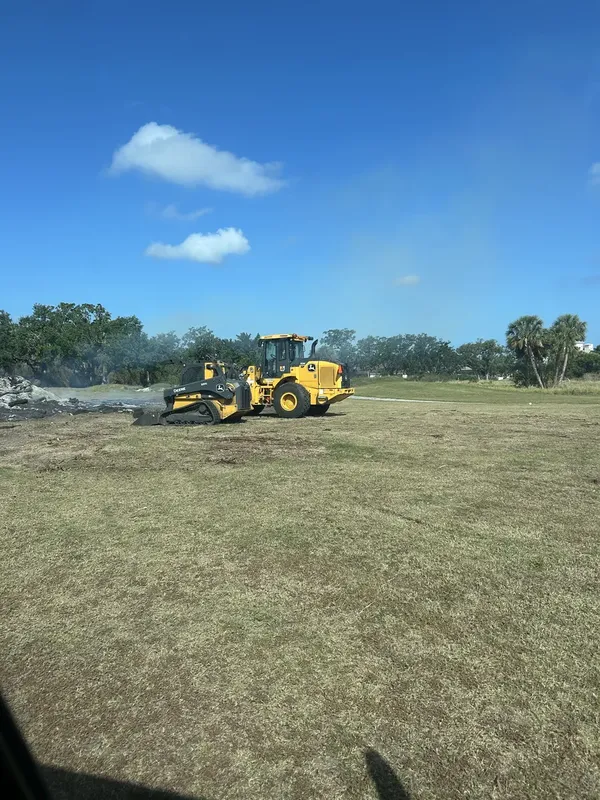
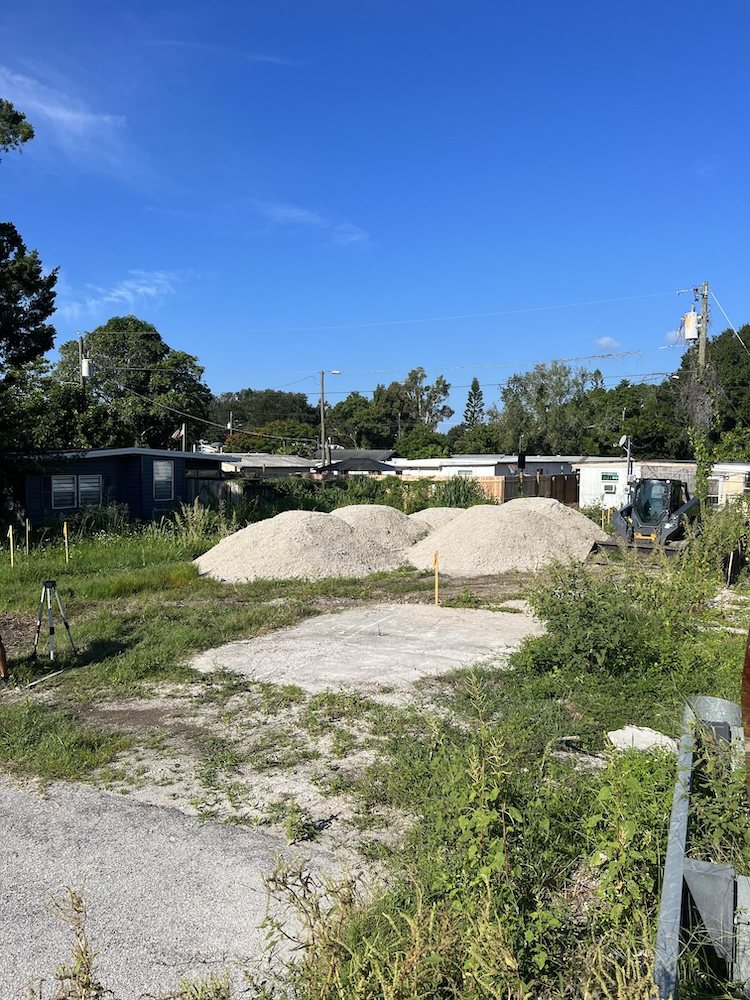
Fill dirt for a building pad is one of the first decisions on a Southwest Florida home site, and one of the easiest to get wrong. The right amount of the right material, placed and compacted correctly, gives your foundation a stable, properly elevated base. The wrong approach shows up later as settling, cracked slabs, or a yard that holds water. This guide explains how fill fits into site grading and what to settle before the first truck arrives.
Why Fill Dirt for a Building Pad Matters Here
Much of the Gulf Coast is low and flat, with sandy soil and a water table that can sit close to the surface. A building pad is a raised, level, compacted area that the foundation sits on. Fill is how we build it up when the natural ground is too low, too wet, or too uneven to build on as it is.
Fill usually serves three purposes:
- •Elevation. Reaching the finished floor height your plans, flood zone, and local rules call for.
- •Separation from water. Lifting the foundation and the yard above seasonal groundwater and standing water.
- •Positive drainage. Creating enough fall that water moves away from the house instead of toward it.
Start With Elevation, Not Truckloads
The most common mistake is ordering fill before anyone knows the target elevation. The number that drives the job comes from your survey, your plans, and your flood zone. Your builder, surveyor, or engineer sets the finished floor elevation, and the pad is built to reach it.
If your lot is in a mapped flood zone, the base flood elevation matters, and many jurisdictions add a freeboard requirement on top of it. Those rules differ by county and city, so confirm them with your local building department or floodplain administrator rather than relying on a rule of thumb. One point is worth knowing: FEMA explains that placing fill does not change the effective flood map by itself. A property raised by fill has to go through a separate map amendment process, and a lender can still require flood insurance. Treat fill as a way to meet your building requirements, not as a way to rewrite your flood zone.
What Counts as Good Fill
Not all dirt is fill. For a pad that carries a structure, the material should be clean and able to compact to a firm, uniform base. Organic soil, roots, trash, and construction debris do not belong in a structural pad. They decay over time, and the pad settles with them.
Ask your builder or engineer whether they specify a material type or compaction standard. If they do, the supplier and the crew need to know before delivery. If you are unsure where a load came from or what is in it, that is a reason to ask questions, not to spread it and hope.
Prep the Ground Before You Place Fill
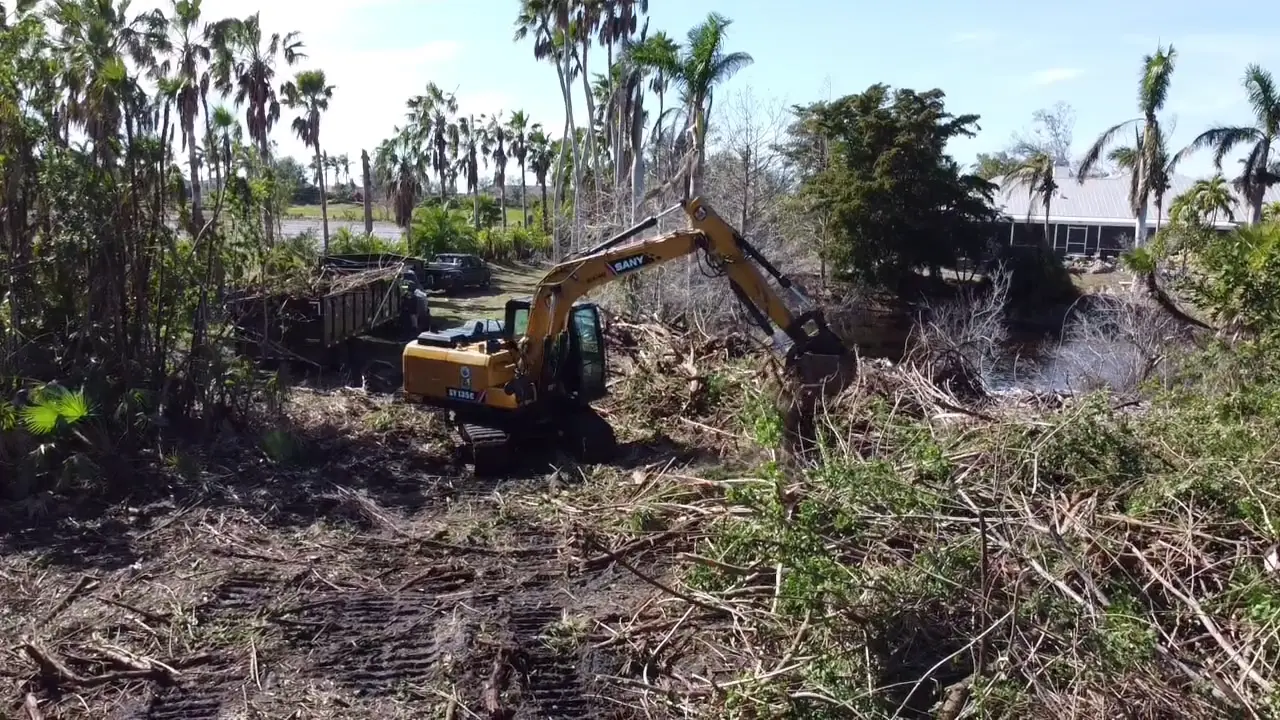
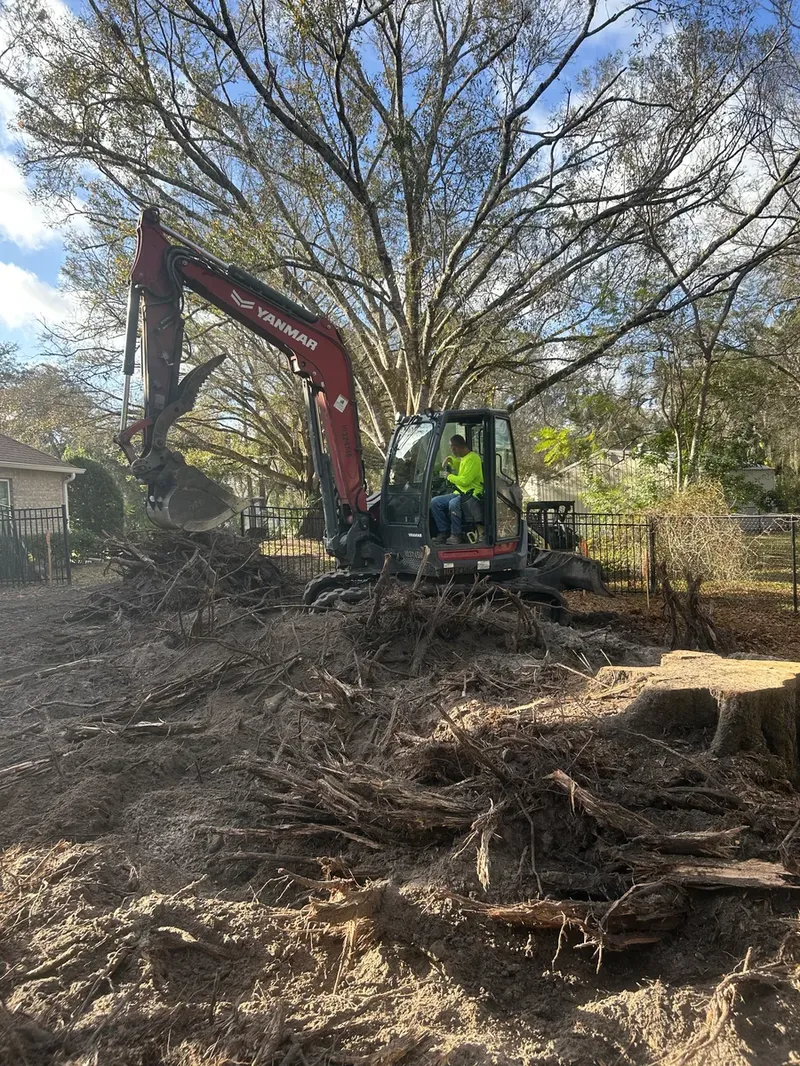
Good fill over a bad subgrade is still a bad pad. The area has to be cleared first: trees, stumps, roots, brush, and the topsoil layer that holds organic matter. Stripping that layer and removing stumps keeps decaying material out of the base of your pad. Our walkthrough on how to prepare your lot for construction covers the sequence in more detail.
Once the area is stripped, the exposed ground should be checked and, where needed, compacted before the first lift of fill goes down. Any soft or wet spots are better found now than after the slab is poured.
Lifts, Compaction, and Why Shortcuts Show Up Later
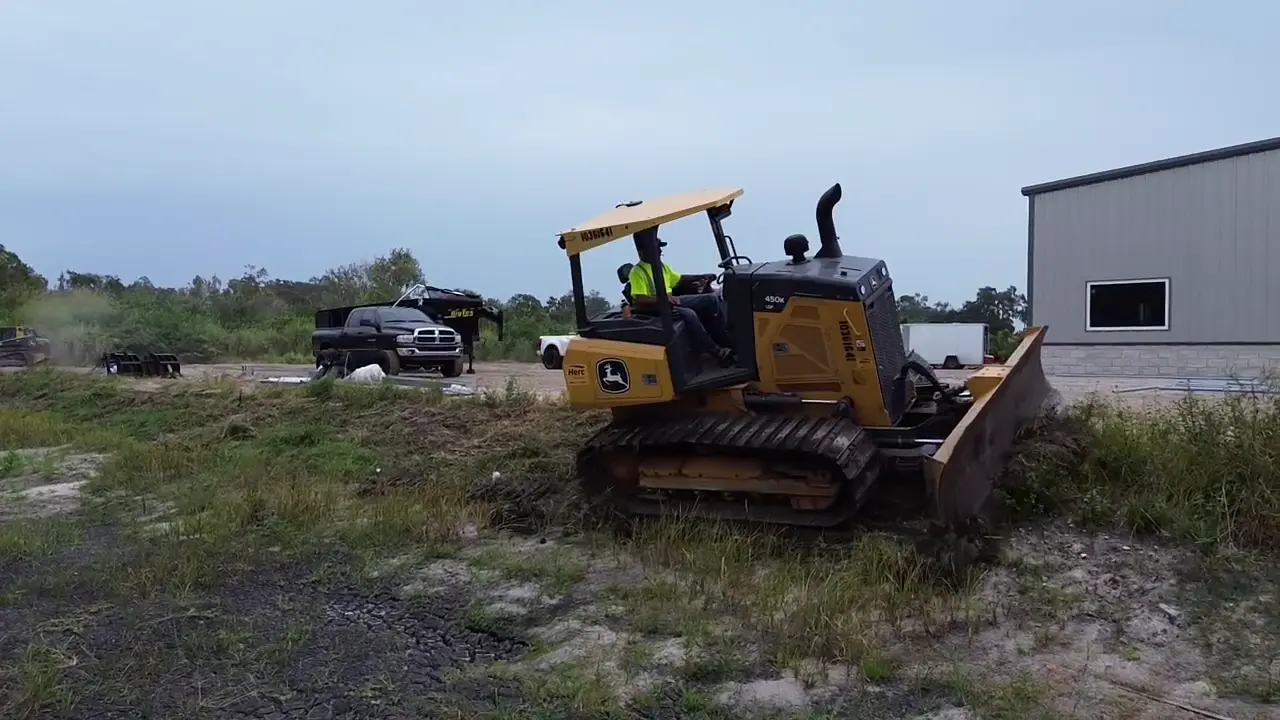
Fill for a structural pad is not dumped in one pile and pushed flat. It goes down in layers, called lifts, and each lift is compacted before the next goes on. Compacting in layers is what gives the finished pad uniform strength all the way through. Dumping everything at once leaves loose pockets inside the pad that settle under the weight of the house.
Many builders and engineers call for density testing on the pad, so confirm whether yours does. If testing is required, it should be planned into the schedule and the budget. Our guide to foundation prep in Southwest Florida explains how the pad, forms, and footings come together.
Plan the Drainage Before the Pad Is Final
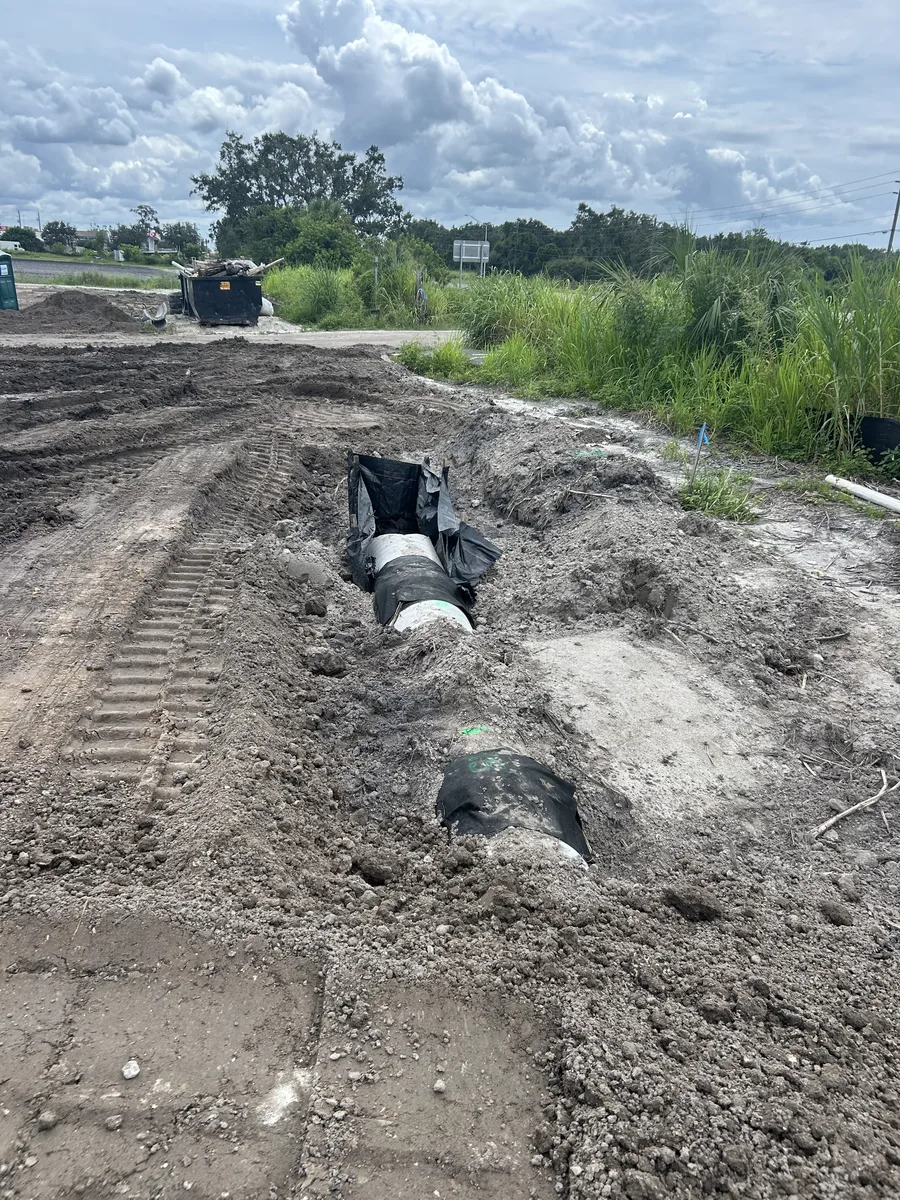
A raised pad changes how water moves across the whole lot. Water that used to pool in a low corner may now run toward a neighbor, and a pad that is too flat can leave your own yard soggy. Final grades, swales, and any drainage work should be planned together with the pad, not after the house is up. Our stormwater management guide for builders explains how those pieces connect.
Local drainage rules and any limits on changing lot grades vary by county, city, and subdivision. Confirm them with the permitting authority, and with your HOA or CDD if one applies, before fill is placed.
Timing, Weather, and Access
Fill is hard to place and compact when it is saturated. During the summer rainy season, wet material and soft ground slow the work, and sequencing matters. We cover this in our post on excavation in Florida's rainy season. Truck access matters too. Loaded dump trucks need a firm path and a place to turn, and a soft entrance can slow every delivery. Plan the route in and the stockpile location before the first load shows up.
Building in Bradenton and Parrish
We build pads across the region, including in Bradenton and Parrish, where new construction keeps pushing onto lots that were never graded for a house. Elevation, soil, and water conditions change from one parcel to the next, which is why we look at each lot before quoting. Pad work is one part of our broader excavation services.
Questions to Settle Before Fill Is Delivered
- •What is the target finished floor elevation, and who sets it?
- •Does the county or city require a permit or approval for fill or grading on your parcel?
- •What material and compaction standard does your builder or engineer specify, and is density testing required?
- •Where will water go once the pad is raised?
- •Is the site cleared, stripped, and accessible for loaded trucks?
Get a Free Estimate
If you are planning a build, we will walk your lot, talk through elevation and access, and give you a clear scope for clearing, fill, and grading. Request a free estimate and we will take it from there.
Frequently Asked Questions
Do I need fill dirt for a building pad in Florida?
Not every lot does. Many Southwest Florida lots need fill to reach the required finished floor elevation, to lift the pad above the water table, or to shed water away from the structure. The survey, the flood zone, and your plans tell you how much, and your builder or engineer sets the target elevation.
Does adding fill take my lot out of a flood zone?
Not on its own. According to FEMA, placing fill does not change the effective flood map. A property raised by fill has to go through a map amendment (a LOMR-F) before the designation changes, and a lender can still require flood insurance. Check with your local floodplain administrator.
Is any dirt acceptable as fill for a house pad?
No. Clean, suitable material that compacts well is what matters, and the engineer or builder may specify the type. Organic material, roots, and debris do not belong in a structural pad because they decay and settle.
Can adding fill cause drainage problems for my neighbors?
It can if the grading is not planned. Raising a lot changes where water runs, so the final grade needs a plan that sends runoff to the right place. Local rules on lot drainage vary, so confirm them with your county or city before fill is placed.
Written by
Kameron LethermonOwner of Lethermon Grade Excavations. Military background with 15+ years of excavation and construction experience in Southwest Florida. View full profile →