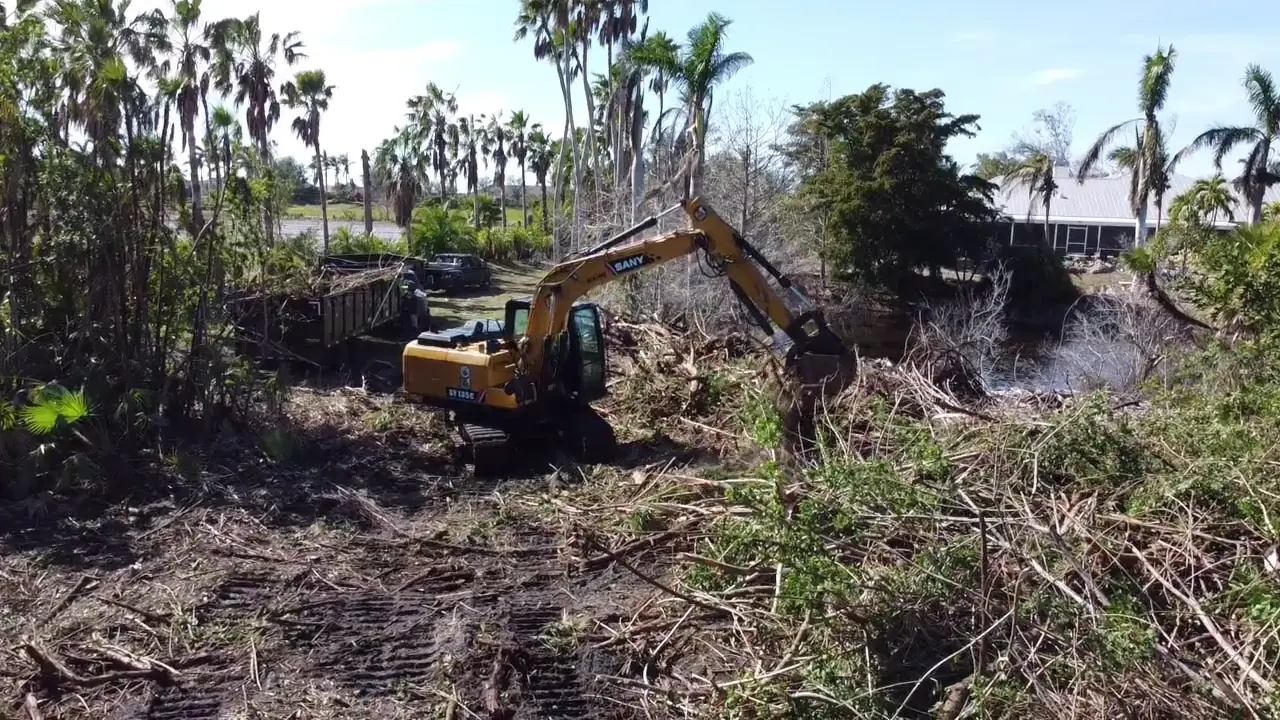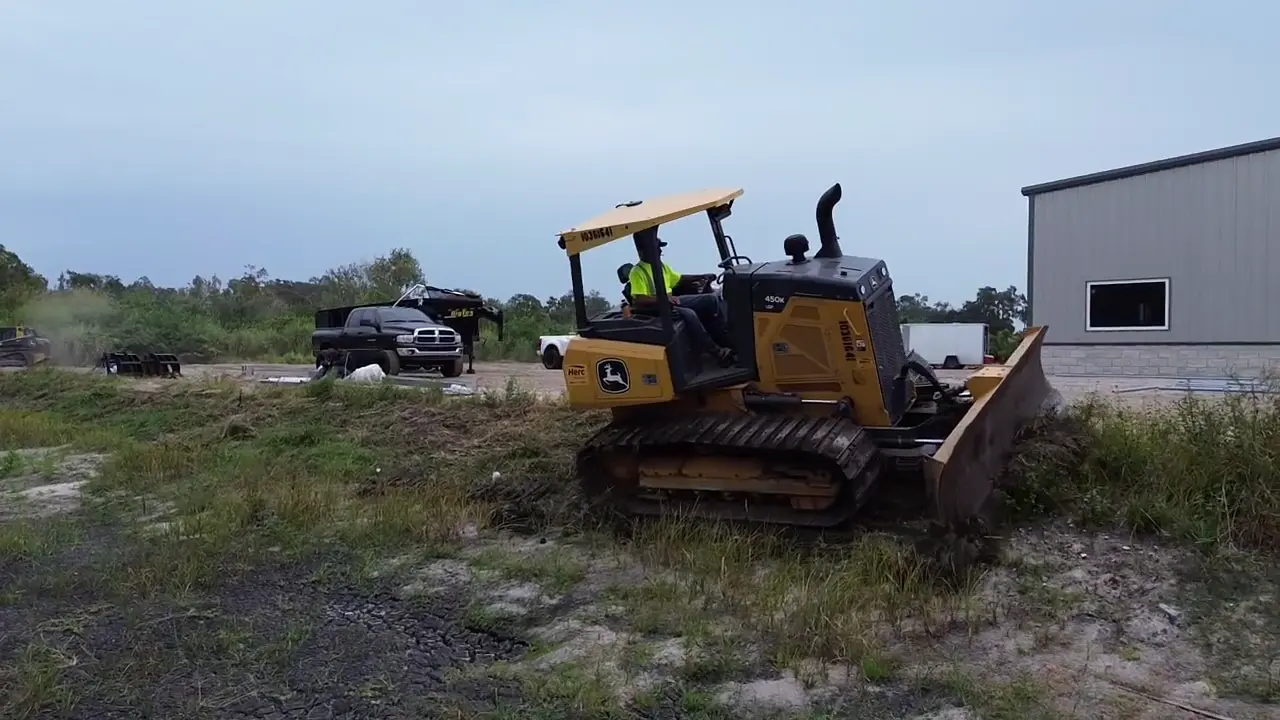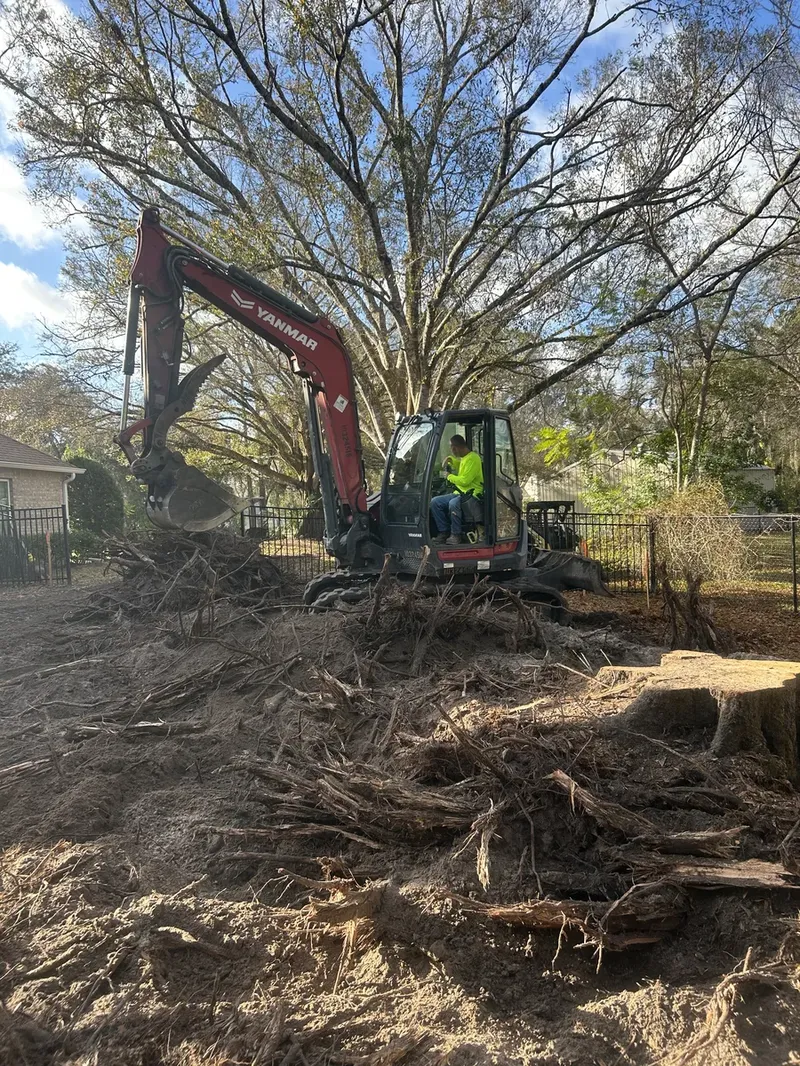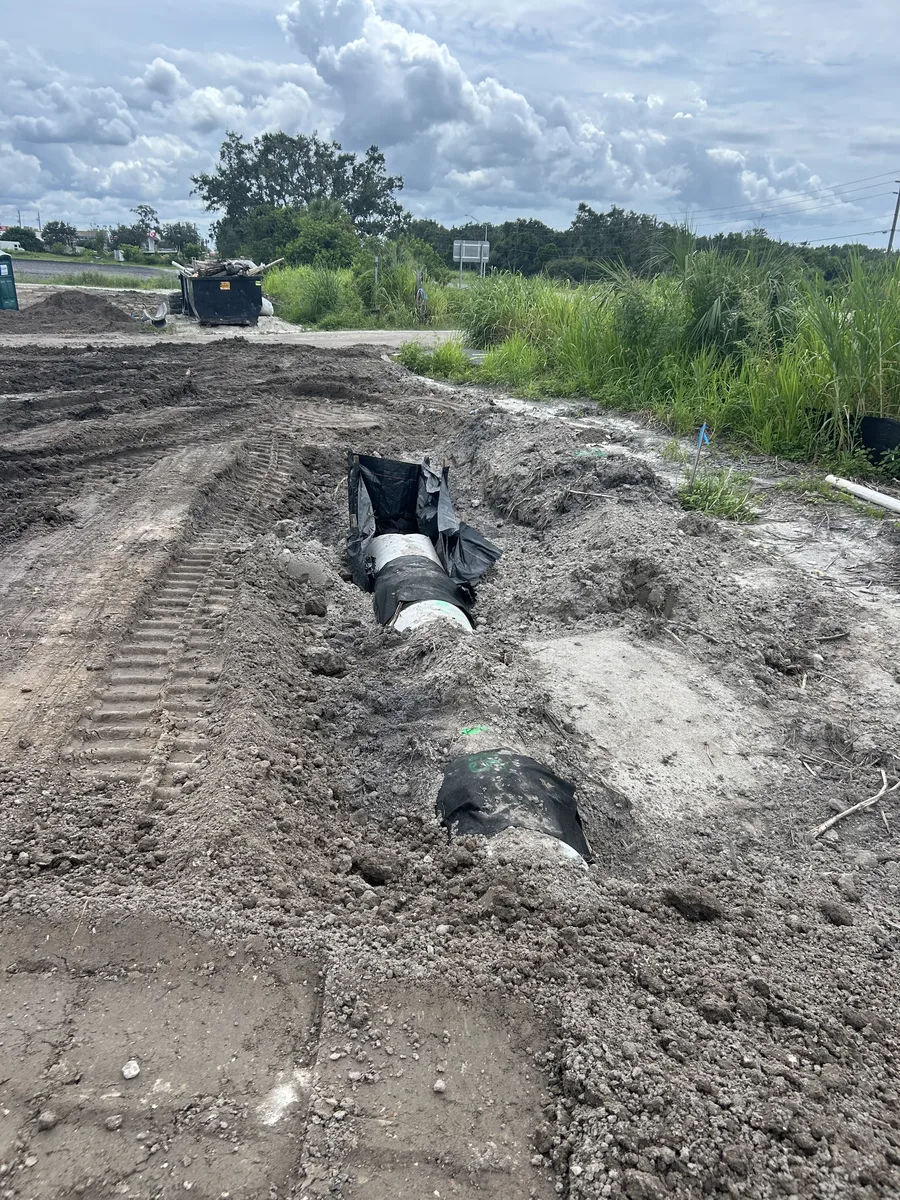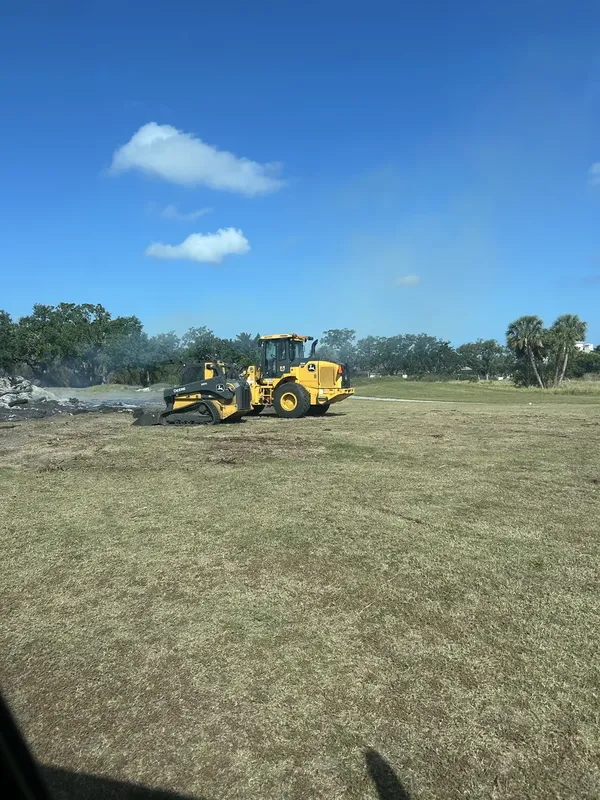
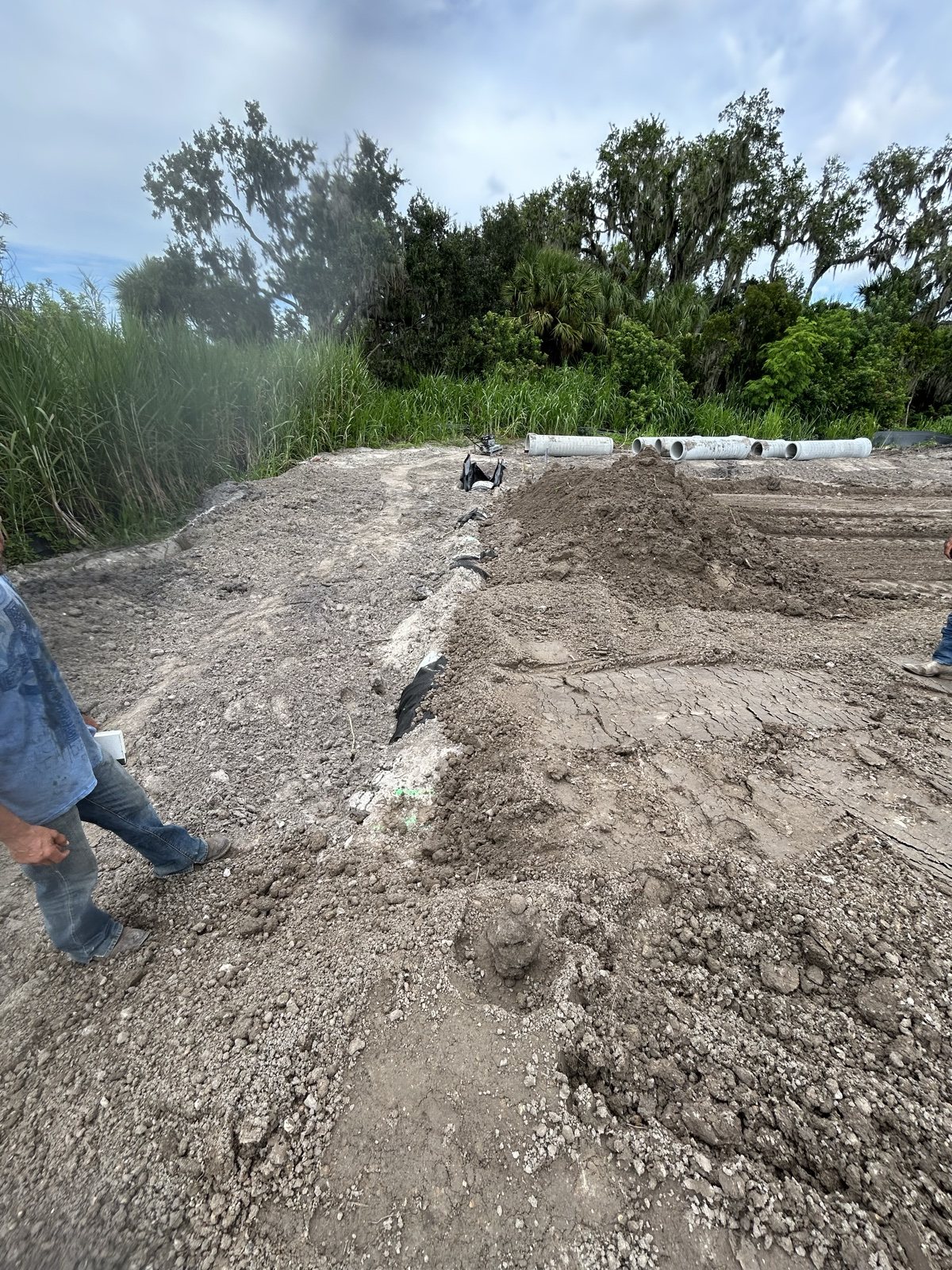
North Port's building boom is happening on some of the oldest platted ground in Southwest Florida. Most of the city's residential lots were carved out of the flatwoods more than fifty years ago, long before today's stormwater rules existed, and that history shapes almost every site grading project here. Grading a North Port lot right takes more than pushing dirt to a flat pad — it means reading a subdivision-wide swale network engineered decades ago and bringing it up to today's drainage and elevation standards. Here's what property owners and builders should expect from site grading in North Port, and where the process differs from a typical Southwest Florida lot.
A City Built on a 1960s-Era Grid
Much of North Port was platted in the 1960s by the General Development Corporation as one of the largest planned subdivisions in Florida — tens of thousands of individual lots laid out on a grid, many still vacant or only now being built on. That legacy matters for grading because the original plats set lot elevations and swale locations decades before Sarasota County and the Southwest Florida Water Management District (SWFWMD) adopted the stormwater standards builders work under today. On a lot that's sat vacant since the original plat, the roadside swale may be silted in, overgrown, or graded to a decades-old standard that no longer matches its neighbors — often the first thing a site grading contractor has to sort out before touching the building pad.
The Swale System Is Part of the City's Water Supply
It's worth understanding why North Port takes grading and swale compliance seriously: the city's network of roadside swales, ditches, and canals doesn't just move stormwater off the road — it feeds the Myakkahatchee Creek, one of North Port's primary sources of raw water for its drinking water supply. A swale that's been filled in, blocked, or graded to send water the wrong direction isn't just a nuisance for a neighbor's yard; it's a break in a system the city relies on for its water. That dual role is part of why swale and grade requirements are enforced closely here, and why regrading or disturbing a roadside swale during construction typically has to be restored to the approved cross-section before a certificate of occupancy is issued.
What the Grading Process Looks Like
On a typical North Port build, site grading generally follows this sequence:
- •Survey and elevation certificate. Flood zone and base flood elevation requirements are common across North Port's platted subdivisions, so an elevation certificate is typically part of the permitting package for new construction. Confirm the current requirement for your specific lot with the city's Building & Planning department before finalizing plans.
- •Rough grading of the building pad. The pad is cut or filled to the elevation the engineer or surveyor specifies, factoring in the required freeboard above the swale invert and the finished floor elevation.
- •Swale and frontage regrading. Any swale disturbed by construction access or utility work gets reshaped to the approved cross-section and tied back into the neighboring lots' drainage so water keeps moving the direction it's designed to.
- •Compaction and fine grading. The pad is compacted to spec and fine-graded for positive drainage away from the structure before foundation work begins.
- •Final inspection. The city typically confirms swale and pad grading match approved plans before sign-off — restoring the swale and right-of-way to an acceptable condition is usually the applicant's responsibility, not something to leave until the last minute.
Common Grading Problems on North Port's Older Platted Lots
A few issues come up more often in North Port than in newer, master-planned communities:
- •Mismatched elevations between neighboring lots built decades apart, which can leave a new pad slightly higher or lower than what the surrounding swale network was originally designed for.
- •Overgrown or sediment-filled swales on long-vacant lots that no longer carry water the way the original plat intended.
- •Flat, low-relief terrain that leaves little margin for error — a grading mistake of just a few inches can be the difference between a swale that drains and one that holds water after a summer storm.
- •Uncertainty over which agency has jurisdiction on a given piece of drainage infrastructure — city, county, or SWFWMD — before assuming a smaller regrading job doesn't need a permit.
Timing the Work Around North Port's Wet Season
North Port's flat, low-relief terrain means grading mistakes show up fast once the rain starts. The dry season, roughly November through April, is when soil is most workable and swale conditions are easiest to evaluate accurately — you can see exactly where water already pools on a vacant lot before you commit to a grading plan. Projects that start grading in the thick of the June-through-September wet season, or push swale restoration work into peak hurricane season, run a higher risk of soft, unworkable subgrade and standing water complicating compaction. It's rarely worth delaying a project entirely for weather, but if you have scheduling flexibility, front-loading grading and swale work before the rainy season is generally the easier path. See our hurricane season drainage prep guide for more on timing drainage work around Southwest Florida's wet-season calendar.
How This Differs From Grading in a Newer Community Like Lakewood Ranch
The contrast is easiest to see next to a master-planned community like Lakewood Ranch, where drainage infrastructure and lot elevations were engineered and built out as a single coordinated system, often with an active HOA maintaining swale and pond standards after the fact. North Port's platted-lot grid was never built out that way — each lot can effectively be its own small drainage project, shaped by whatever was built (or wasn't) on the lots around it. That's not a knock on North Port; it just means grading here rewards a contractor who reads the surrounding lots and existing swale conditions carefully rather than applying a standard template.
Coordinating With the City and SWFWMD
North Port grading and drainage work is reviewed by more than one agency depending on scope: the City of North Port's Building & Planning and Public Works departments handle local permitting and swale standards, while larger stormwater systems typically also require Sarasota County and SWFWMD Environmental Resource Permit (ERP) compliance. Exactly what's required — what needs an engineer's stamp, and what triggers county or SWFWMD review — varies by project and can change over time, so confirm current rules directly with the city or your engineer rather than assuming a neighbor's project is a reliable guide. For the broader regional picture on stormwater planning, see our stormwater management guide for builders.
What a North Port Site Grading Quote Should Include
- •Scope tied to plans, not guesswork. Pad elevation and swale work should reference the engineer's or surveyor's plans and the property's elevation certificate, not a generic estimate.
- •Swale restoration, spelled out. If the job disturbs the frontage swale, restoration to the approved cross-section should be itemized, not left as an afterthought before final inspection.
- •A site visit before pricing. Given how much lot-to-lot elevation varies on older platted ground, a fair quote depends on the contractor actually walking the lot and its neighbors, not pricing from a satellite view.
- •Utility locate confirmation. Florida law requires utility locates through the statewide Sunshine 811 system before any digging or grading begins.
- •License and insurance documentation confirmed up front.
For typical price ranges across the region, see our site grading cost guide.
Ready to Build on Your North Port Lot?
Lethermon Grade Excavations handles site grading, drainage, and related sitework throughout North Port and the rest of Southwest Florida, and we coordinate directly with surveyors, engineers, and the city's permitting process so grading holds up at final inspection. If you're planning a build on a North Port lot, contact us for a free, on-site estimate.
Frequently Asked Questions
Do I need an elevation certificate to build in North Port?
Elevation certificates are commonly required for new construction on North Port's platted subdivisions given flood zone and base flood elevation requirements. Confirm the specific requirement for your lot with the City of North Port's Building & Planning department before finalizing plans.
Why does North Port take swale grading so seriously?
North Port's roadside swales, ditches, and canals feed the Myakkahatchee Creek, one of the city's primary sources of raw drinking water, so the swale network functions as both stormwater drainage and part of the water supply system — one reason grading and swale compliance are enforced closely.
Who do I need to coordinate with to grade a lot in North Port?
Depending on scope, grading and drainage work can involve the City of North Port's Building & Planning and Public Works departments, Sarasota County, and the Southwest Florida Water Management District (SWFWMD). Confirm which agencies apply to your project before assuming a smaller job doesn't need review.
What's different about grading a lot in North Port compared to a newer development?
Many North Port lots sit on a subdivision grid platted in the 1960s, so neighboring elevations and swale conditions can vary lot to lot in ways they typically don't in a newer, master-planned community. That makes an accurate survey and a site visit especially important before pricing or starting work.
Written by
Kameron LethermonOwner of Lethermon Grade Excavations. Military background with 15+ years of excavation and construction experience in Southwest Florida. View full profile →