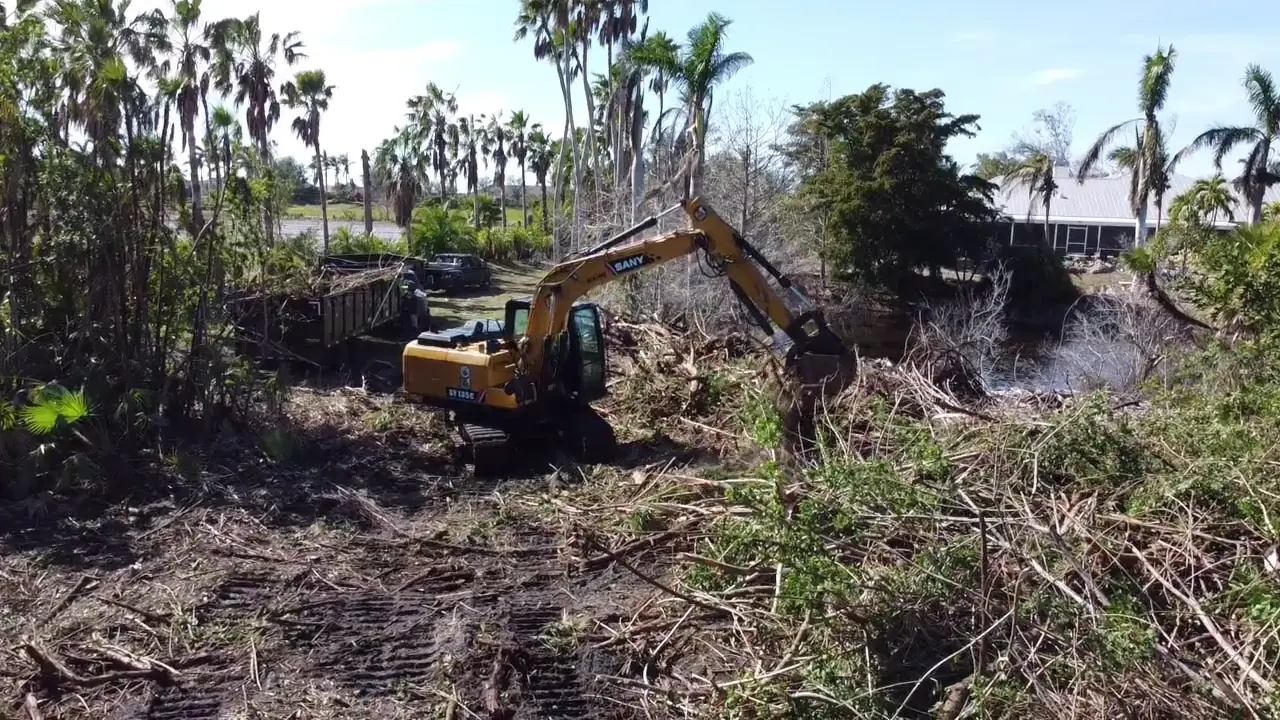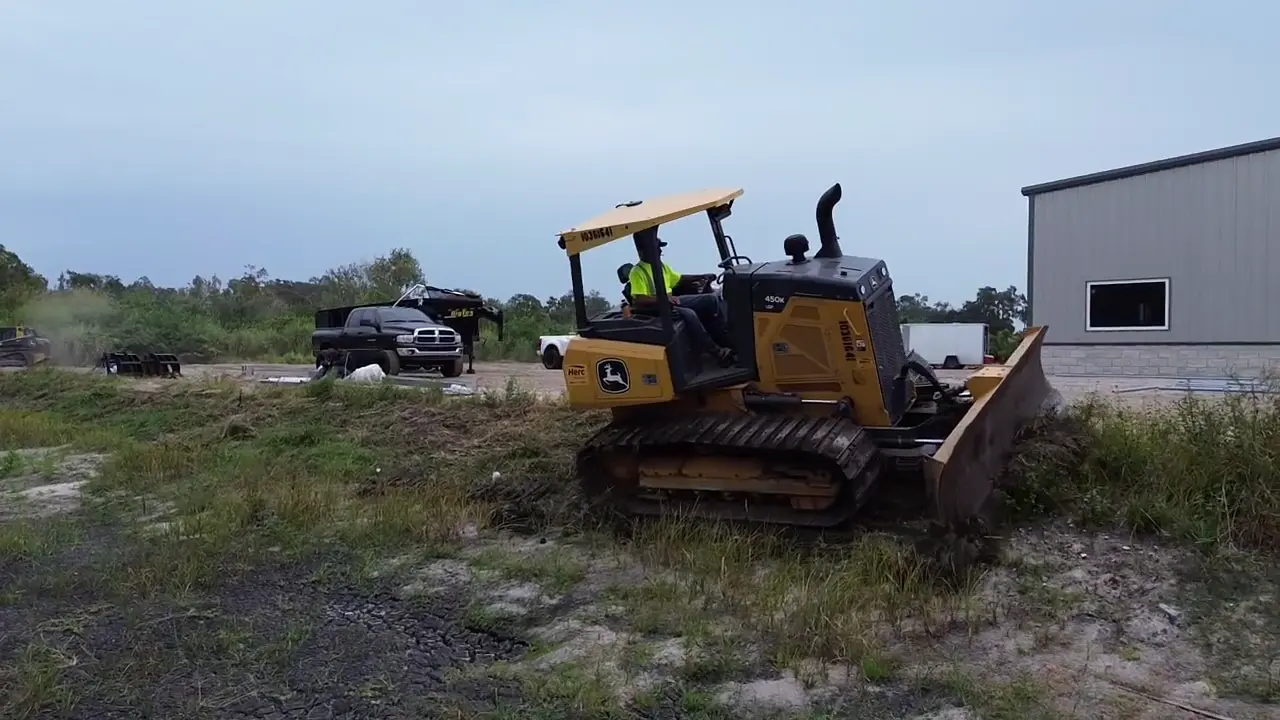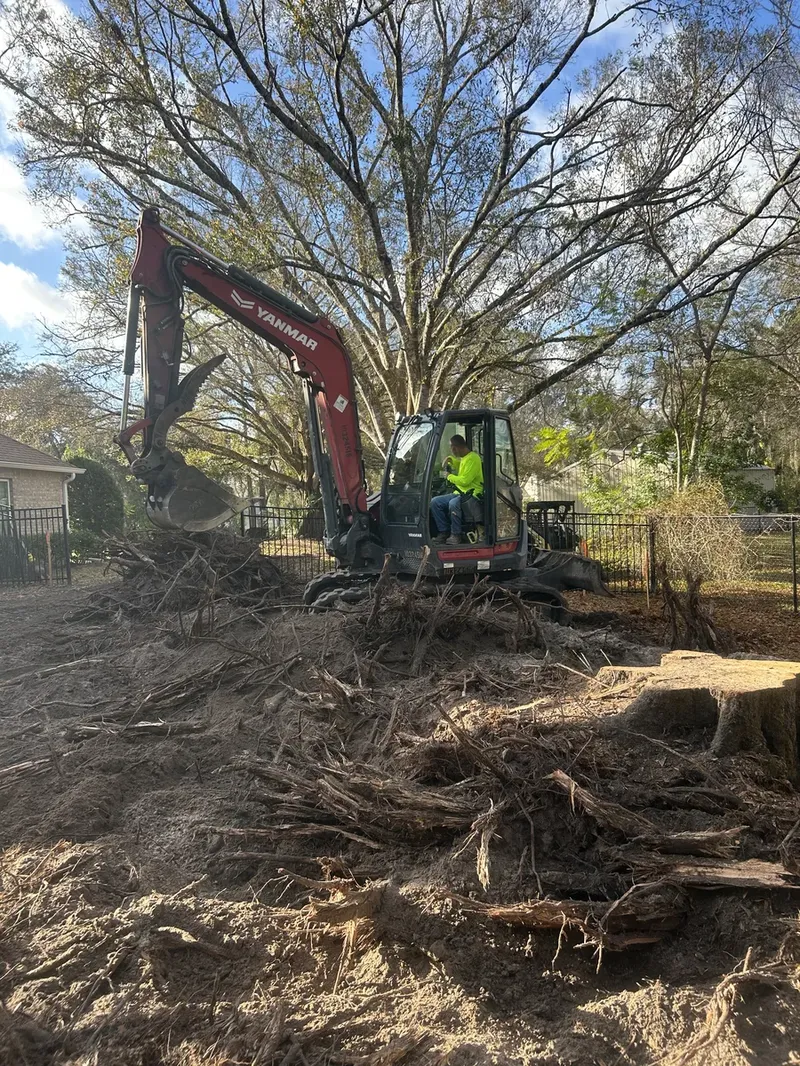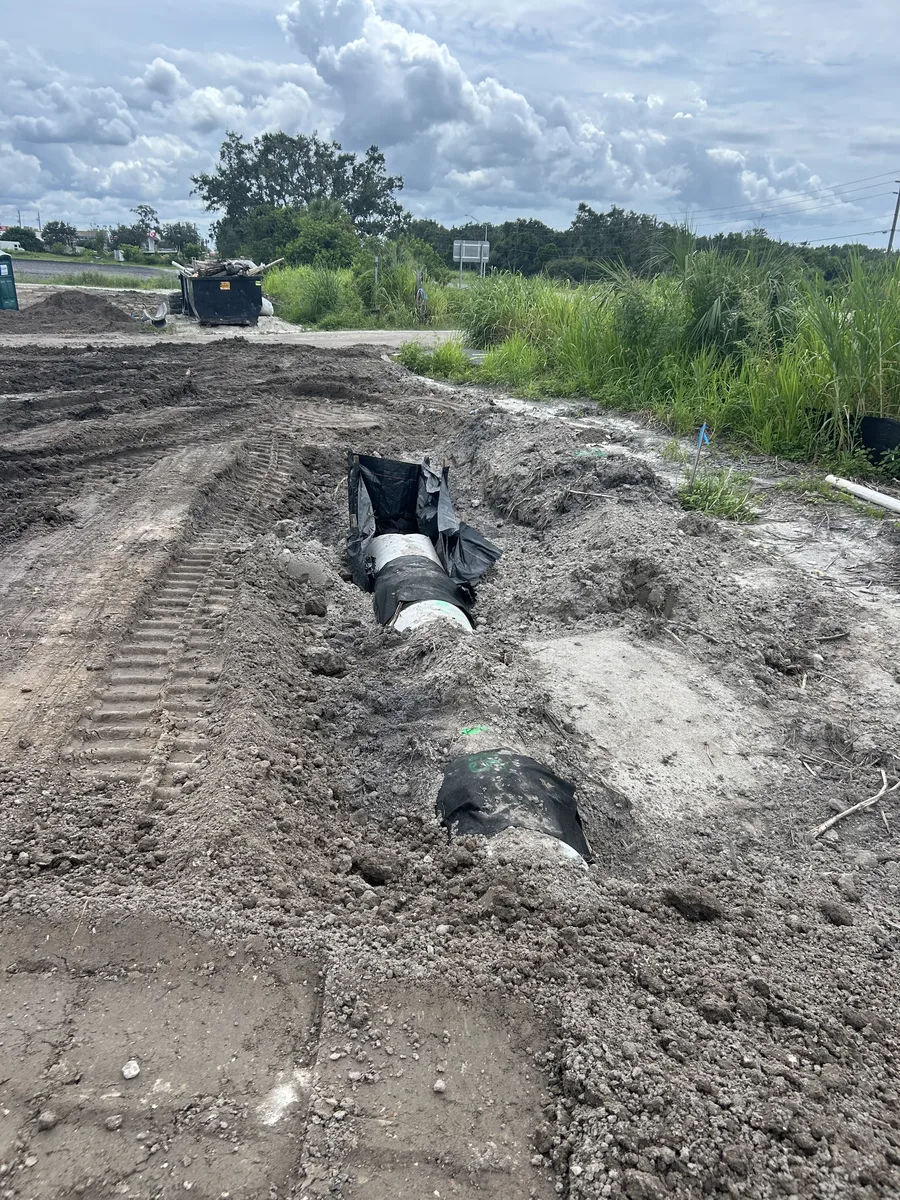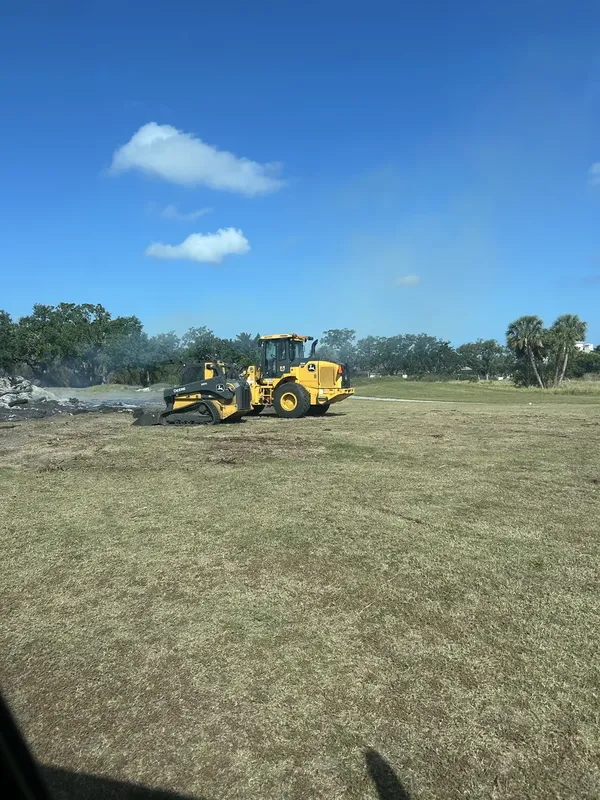
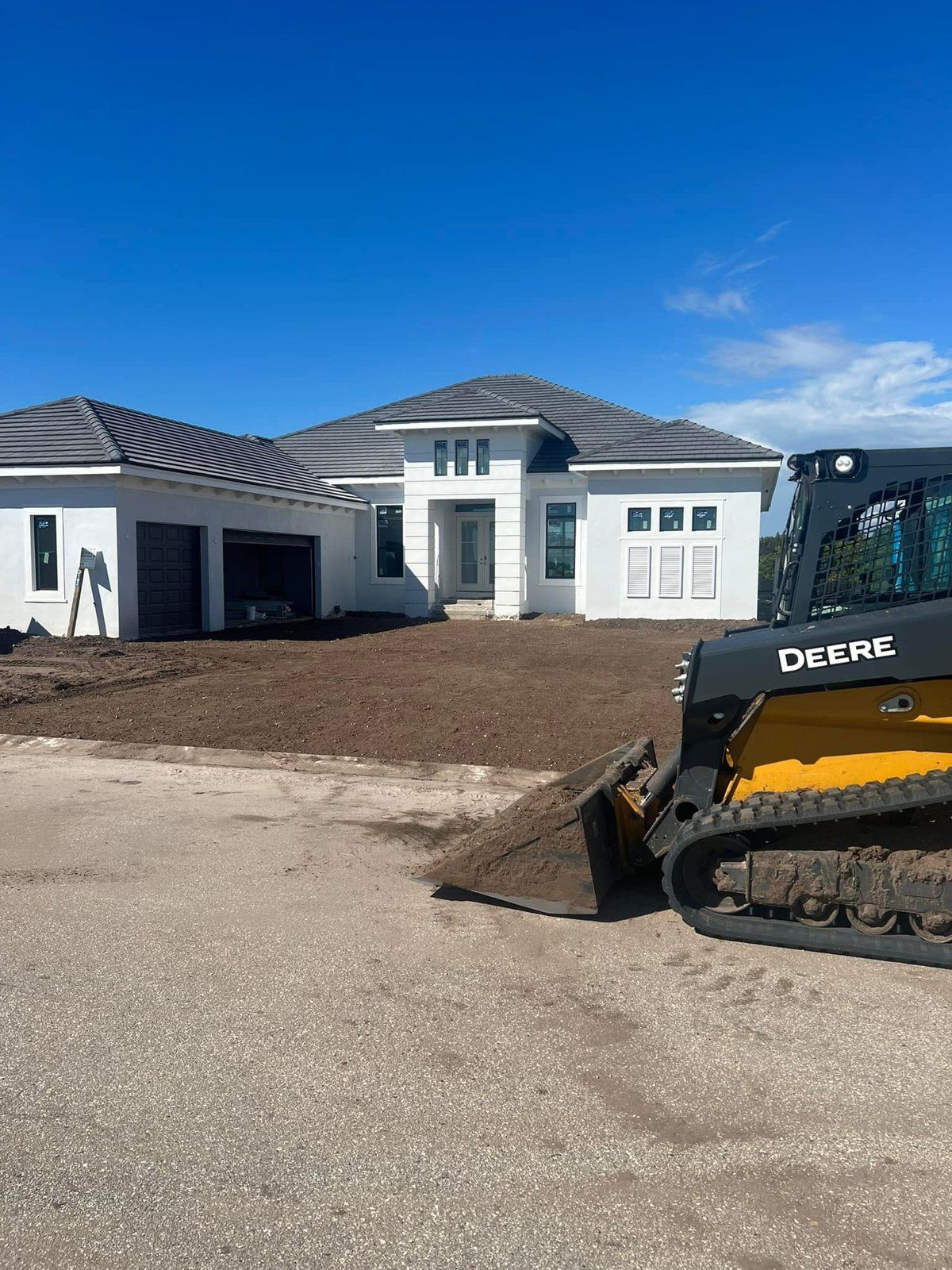
Lakewood Ranch is one of the top-selling master-planned communities in the country, and it hasn't stopped growing — newer phases like Lorraine Lakes and Esplanade are still being built out east of the original Main Street core. Building here comes with a wrinkle a standalone Southwest Florida lot doesn't have: the community's lakes, swales, and stormwater system were engineered as one coordinated network decades before most of today's homes were built, and grading a lot right means tying into that system correctly rather than designing drainage from scratch. Here's what property owners and builders should expect from site grading and drainage work in Lakewood Ranch.
A Master-Planned Community Built Around Its Water System
Unlike a lot on an older, individually platted street, most parcels in Lakewood Ranch sit inside a subdivision whose lakes, swales, and retention areas were master-planned before the first home went up. The ponds that give neighborhoods like The Lake Club and Waterside their names aren't purely decorative — they're part of an engineered stormwater network that captures runoff from roofs, driveways, and roads across the community and routes it through connected lakes and control structures. Grading a single lot here means tying its elevations and drainage into that shared system correctly, not designing drainage in isolation the way you might on a stand-alone rural parcel. Our stormwater management guide covers the broader engineering principles behind systems like this across Southwest Florida.
HOA and CDD Review, on Top of County Permitting
Most neighborhoods in Lakewood Ranch — from established sections like Country Club East to newer ones like Lorraine Lakes, Cresswind, and Esplanade — are deed-restricted and governed by a homeowners or community association with its own architectural review process. Much of the community is also organized under multiple Community Development Districts (CDDs), the special local government units common in Florida master-planned communities that finance and maintain shared infrastructure like roads, lakes, and stormwater systems. Architectural and CDD review typically covers finished floor elevation, how a lot's grading ties into its neighbors, and how it connects to the community's swale or lake network — on top of whatever Manatee County, Sarasota County, or the Southwest Florida Water Management District (SWFWMD) requires for the same work, since Lakewood Ranch straddles both counties. In practice, a grading plan here often needs sign-off from two directions before work starts: the applicable county building department, and the neighborhood's community association or CDD. Requirements and review timelines vary by neighborhood and change over time, so confirm the current process with your HOA or CDD and the relevant county building department before finalizing plans.
What the Grading Process Looks Like
On a typical Lakewood Ranch build, site grading generally follows this sequence:
- •Plan review and coordination. Grading and drainage plans typically need to reference both the county-approved civil engineering plans and the community's design guidelines before work starts.
- •Rough grading of the building pad. The pad is cut or filled to the elevation specified by the project's engineer or surveyor, accounting for the drainage grades already established in the surrounding neighborhood.
- •Tie-in to the shared system. Swales, yard inlets, or drainage easements on the lot are shaped and connected so water flows into the neighborhood's lake or swale network the way the original master plan intended.
- •Compaction and fine grading. The pad is compacted to spec and fine-graded for positive drainage away from the structure before foundation work begins.
- •Final inspection and sign-off. Both the county and, in many neighborhoods, the community association or CDD confirm the finished grading matches approved plans.
Where Grading Gets More Complicated
A few factors set Lakewood Ranch apart from a standalone lot elsewhere in the region:
- •Sandy soil and a high water table, common across most of Manatee and Sarasota counties, but with less room to adjust a lot's grading unilaterally once it's tied into a shared community system.
- •Aesthetic and elevation consistency standards that many associations enforce, on top of the functional drainage requirements the county reviews.
- •A patchwork of construction vintages — older sections built out in the early 2000s and newer phases like Lorraine Lakes and Esplanade were engineered at different times, so a lot on the edge of an older and newer phase can have drainage infrastructure of two different generations meeting at the property line, which is worth flagging to your grading contractor before work starts.
Timing Around Southwest Florida's Wet Season
Like the rest of the region, the dry season — roughly November through April — is generally the easier window for grading and drainage work in Lakewood Ranch. Soil is more workable, and it's easier to see exactly how water is already moving, or pooling, on a lot before committing to a grading plan. Starting major grading or swale tie-in work deep into the June-through-September wet season, or pushing it into peak hurricane season, raises the odds of soft subgrade and standing water complicating compaction. See our hurricane season drainage prep guide for more on timing drainage work around the region's wet-season calendar.
How This Compares to Other Southwest Florida Communities
The contrast is clearest next to a city like North Port, where much of the housing stock sits on an individually platted 1960s-era grid with no coordinating master plan — each lot is effectively its own small drainage project. Lakewood Ranch is closer to the opposite end of the spectrum: drainage was engineered as one coordinated system from the start, which generally makes grading more predictable but less flexible, since a change on one lot can ripple into how water moves through the shared network. Coastal communities like Venice add a third variable — a high water table paired with proximity to tidal waterways — that Lakewood Ranch's inland, lake-buffered system doesn't face in the same way. Understanding which model applies to your lot is a useful starting point before requesting a grading quote.
What a Lakewood Ranch Site Grading Quote Should Include
- •Scope tied to plans, not guesswork. Pad elevation and drainage tie-in work should reference the engineer's or surveyor's plans, not a generic estimate.
- •HOA/CDD coordination spelled out. If your neighborhood requires architectural or CDD sign-off, confirm up front who's responsible for submitting and tracking that approval.
- •Utility locate confirmation. Florida law requires utility locates through the statewide Sunshine 811 system before any digging or grading begins.
- •License and insurance documentation confirmed up front.
- •A site visit before pricing. Given how tightly lots here tie into a shared drainage system, an accurate quote depends on the contractor walking the lot and understanding its place in the neighborhood's larger grading plan.
For typical price ranges across the region, see our site grading cost guide.
Ready to Build in Lakewood Ranch?
Lethermon Grade Excavations has completed site grading, drainage, and sitework projects throughout Lakewood Ranch, from spec pads to custom estates, and we coordinate directly with surveyors, engineers, and community associations so grading holds up at final inspection — whichever direction that sign-off comes from. Once your pad is graded and ready, our foundation prep guide covers what typically comes next. If you're planning a build on a Lakewood Ranch lot, contact us for a free, on-site estimate.
Frequently Asked Questions
Do I need HOA or CDD approval before grading a lot in Lakewood Ranch?
Often, yes. Many Lakewood Ranch neighborhoods are deed-restricted with an architectural review process, and much of the community is also organized under Community Development Districts (CDDs) that oversee shared infrastructure like lakes and stormwater systems. Confirm the current approval process with your HOA or CDD, in addition to county permitting, before finalizing grading plans.
What makes drainage in Lakewood Ranch different from other Southwest Florida communities?
Lakewood Ranch's lakes, swales, and stormwater infrastructure were master-planned as one coordinated system before most homes were built, so grading a single lot means tying into that existing network rather than designing drainage independently — different from older, individually platted communities where each lot's drainage developed more on its own.
How much does site grading cost in Lakewood Ranch, FL?
Costs vary by lot size, drainage tie-in requirements, and any HOA or CDD-driven grading standards. Our site grading cost guide covers typical price ranges and cost drivers across Southwest Florida — get a site-specific quote for an accurate number on your lot.
Does Lakewood Ranch's high water table affect grading the same way it does elsewhere in the region?
The underlying soil and water table conditions are similar to much of Manatee and Sarasota counties, but Lakewood Ranch's engineered lake and swale network is designed to manage that water at a community scale, which changes how an individual lot's grading interacts with the surrounding system compared to a standalone parcel.
Written by
Kameron LethermonOwner of Lethermon Grade Excavations. Military background with 15+ years of excavation and construction experience in Southwest Florida. View full profile →